

AMRT - Applied Microbial Technician I, (Mold Remediation)
Washing Machine Overflow Prevention Strategies
February 10, 2026
Randy Lazarus
A washing machine overflow can turn your laundry room into a soggy mess in minutes. At Florida Fire & Flood, our IICRC-certified team responds to water damage emergencies across Central Florida, and we see firsthand how quickly these situations escalate. The good news? Most washing machine floods are preventable with basic maintenance.
Whether you live in Tavares, Mount Dora, or anywhere in Lake County, understanding what causes these overflows can save you thousands in repairs.
What Causes Washing Machine Overflows?
Washing machines fail for predictable reasons. Knowing these culprits helps you spot problems before they become disasters.
Worn or damaged hoses top the list. Those rubber supply hoses connecting your washer to the water supply deteriorate over time. Cracks, bulges, or loose connections eventually give way. Standard rubber hoses typically last three to five years, though Florida's humidity can accelerate wear.
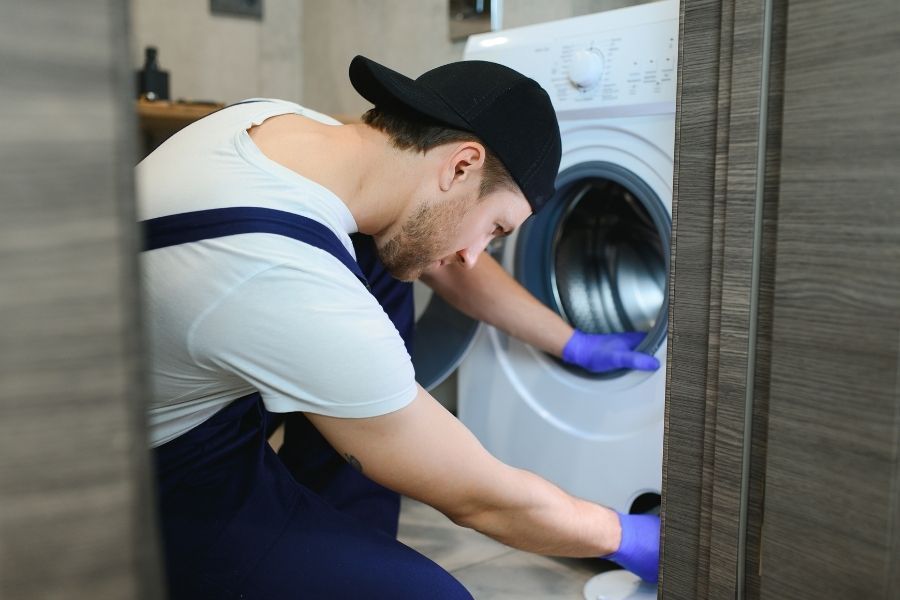
Regular inspections catch small problems before they become big floods.
Clogged drain lines are another frequent offender. Lint, soap residue, and debris accumulate over time, causing water to back up and spill.
Other common causes include overloading, malfunctioning water inlet valves, and unbalanced loads that rock the machine and disconnect hoses.
Top 5 Washing Machine Overflow Causes
| Cause | Warning Signs | Prevention |
|---|---|---|
| Worn Hoses | Bulges, cracks, moisture | Replace every 3-5 years |
| Clogged Drains | Slow draining, pooling | Clean drain quarterly |
| Overloading | Shaking, incomplete cycles | Follow capacity limits |
| Faulty Inlet Valve | Water runs when off | Professional inspection |
| Loose Connections | Drips behind machine | Check monthly |
Prevention Strategies That Work
Smart prevention starts with the right equipment. The Insurance Institute for Business & Home Safety recommends replacing rubber hoses with braided stainless steel versions. They cost a bit more but resist bursting and last significantly longer.
Already Dealing with Water Damage?
Our team responds within one hour across Central Florida. We handle everything from extraction to full restoration.
Get a Free ConsultationHere's a monthly prevention checklist that takes less than 10 minutes:
- Inspect supply hoses for cracks, bulges, or wear
- Check connections at the wall and machine for tightness
- Look for moisture or discoloration behind the washer
- Clean the lint trap in your drain hose
- Test shutoff valves to ensure they work
Installing a water leak detector near your washing machine adds another layer of protection. These inexpensive devices alert you the moment moisture appears.
Quick Fixes You Can Do Today
Not all prevention requires a professional. Some simple adjustments make a real difference.
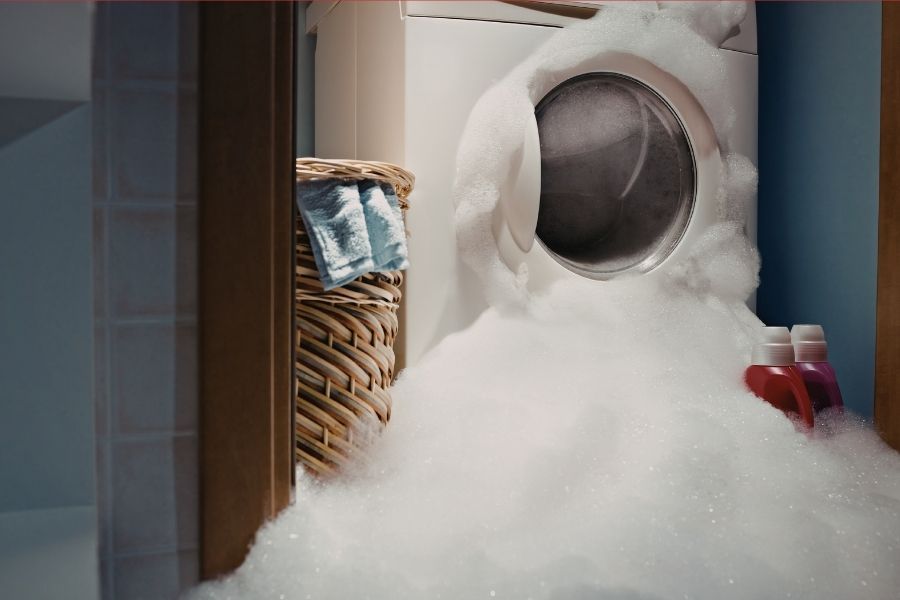
Using too much detergent is a common culprit behind foam overflows.
Use the right amount of detergent. High-efficiency machines need HE detergent, and less than you think. Excess suds can trigger overflow sensors or prevent proper drainage.
Turn off water supply valves when traveling. If you'll be away more than a day, shut off the valves behind your washer. A hose that bursts while you're on vacation causes catastrophic damage.
Keep the machine level. An unbalanced washer rocks during spin cycles, stressing connections. Use a level and adjust the feet as needed.
Don't leave running cycles unattended. It's tempting to start a load and head out, but staying nearby lets you catch problems immediately. Many overflows happen during fill or drain cycles.
What to Expect If Overflow Damage Occurs
Despite best efforts, overflows sometimes happen. Knowing what to expect helps you respond quickly.
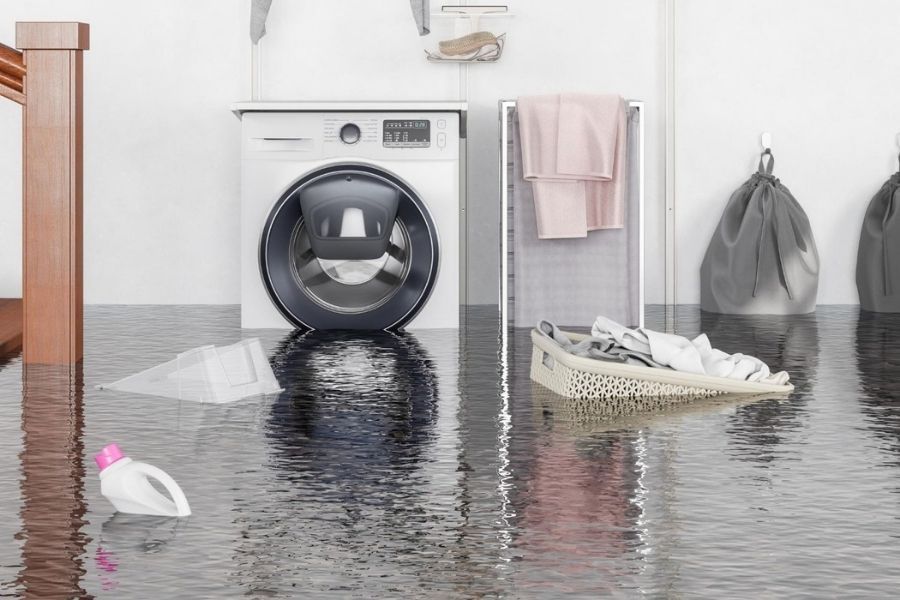
Quick response is critical when water damage occurs.
Water travels fast. A laundry room overflow can seep under flooring, into walls, and down to lower levels within hours. The EPA warns that mold can begin growing within 24 to 48 hours, making quick response critical.
Common damage includes warped flooring, water stains on drywall, and hidden mold growth in wall cavities. In Central Florida's humid climate, secondary moisture problems develop faster than in drier regions.
If you experience an overflow, shut off the water immediately. Remove standing water with towels or a wet/dry vacuum. Move belongings from wet areas. Then contact our team for professional extraction and drying.
Our technicians use industrial dehumidifiers, air movers, and moisture meters for complete drying. Hidden moisture in subfloors and wall cavities causes the most long-term damage.
Frequently Asked Questions
How often should I replace my washing machine hoses?
Replace standard rubber hoses every 3-5 years, or immediately if you notice cracks, bulges, or moisture at connections. Braided stainless steel hoses last longer and resist bursting.
Can I fix washing machine overflow damage myself?
Minor spills on non-porous surfaces can be cleaned with towels and fans. However, if water has soaked into flooring, walls, or carpeting, professional restoration is recommended to prevent mold and structural damage.
Does homeowners insurance cover washing machine overflow damage?
Most policies cover sudden appliance failures, including washing machine overflows. However, damage from gradual leaks or lack of maintenance may not be covered. At Florida Fire & Flood, we work directly with insurance companies to streamline the claims process.
What should I do immediately after a washing machine overflows?
First, turn off the water supply valves behind the machine. Remove standing water with towels or a wet/dry vacuum, and move furniture away from wet areas. Call professionals if water has reached flooring, walls, or carpeting.
Water Damage Emergency in Central Florida?
At Florida Fire & Flood, we're available 24/7 and respond within one hour. Our IICRC-certified team handles water extraction, drying, and full restoration.
Contact Us Today(352) 644-7969

Randy Lazarus
About The Author:
Randy Lazarus is the owner of Florida Fire & Flood, a locally owned and family-operated restoration company serving Central Florida communities since 2021. Leading a team of IICRC-certified technicians, Randy has built a reputation for providing 24/7 emergency response and compassionate service to homeowners and businesses facing water damage, fire damage, and mold emergencies. As a member of the Central Florida community, Randy understands the unique challenges property owners face in the region and is dedicated to helping his neighbors restore their properties and get back to normal life.
Read More:

Firefighting water soaks floors, walls, and ceilings far past the burn zone. Learn why extraction and drying must run alongside fire and smoke cleanup.
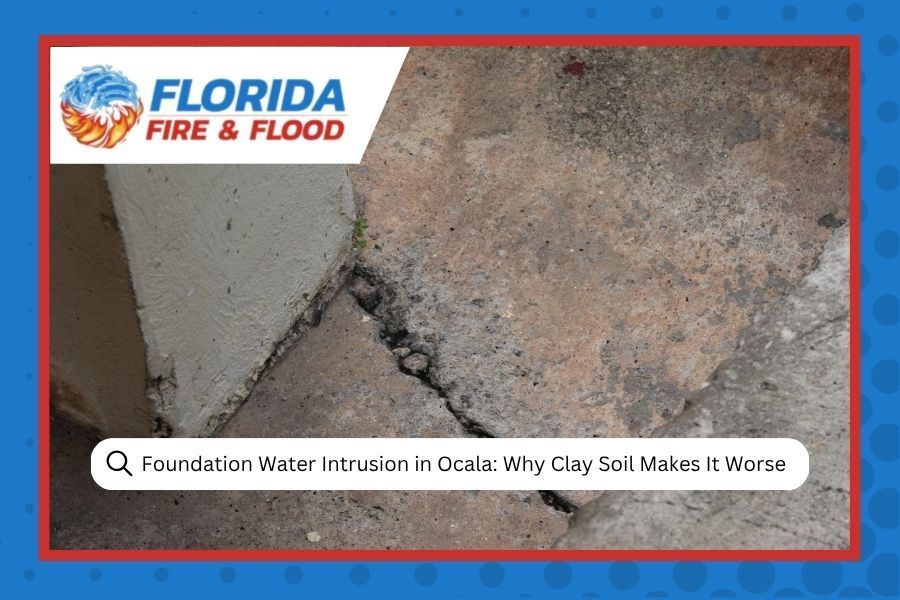
Foundation water intrusion in Ocala starts with clay soil. Learn the warning signs, how it differs from a plumbing leak, and when it is time to call us.

An attic fire took out the top floor of this Orlando home. See how our team rebuilt it, from the first tarp on the roof to finished kitchen and baths.
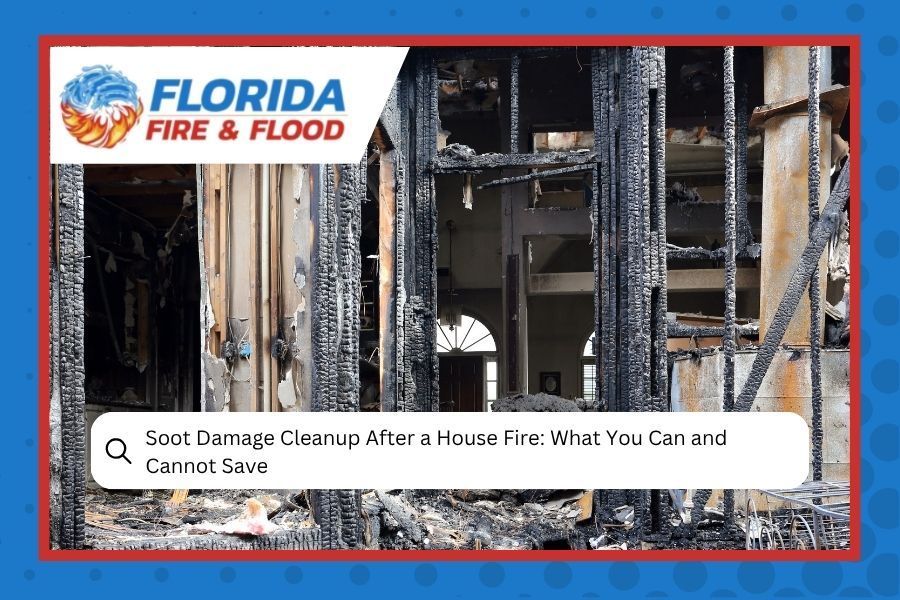
Soot damage cleanup after a house fire: learn what our IICRC certified team can save and what to replace, from textiles to electronics. Free consultation.
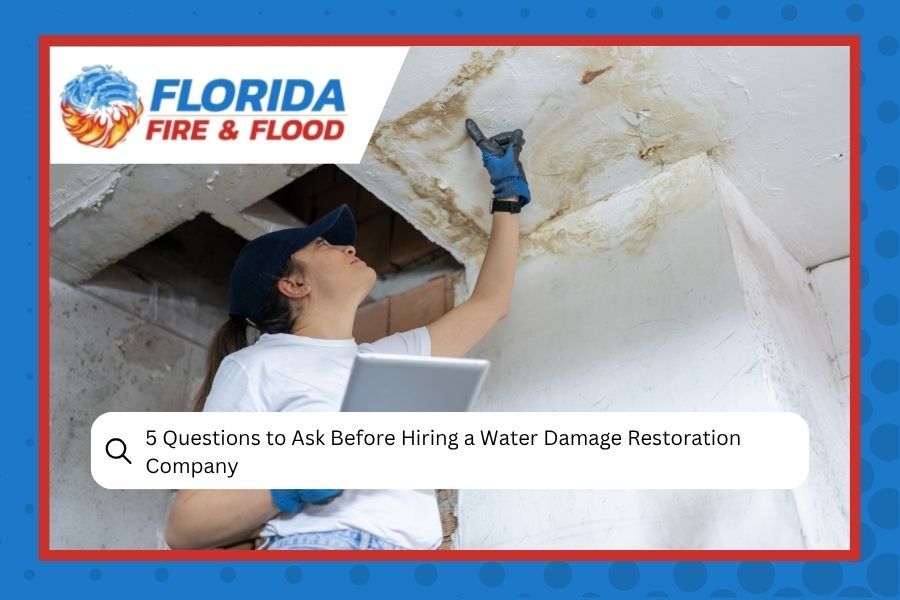
Hiring a water damage restoration company? Ask these 5 smart questions about certification, insurance, response time, gear, and repairs before you sign.
High water pressure damages pipes in Eustis homes. Learn the safe PSI range, regulator warning signs, and how to catch hidden leaks before they spread.