
AMRT - Applied Microbial Technician I, (Mold Remediation)
Electrical Fire Risks in Apopka's Older Neighborhoods
February 3, 2026
Randy Lazarus
Jump To:
Electrical fires cause over 50,000 home fires annually in the United States. In Apopka's older neighborhoods, the risk runs even higher. Many homes built in the 1960s through 1980s still operate on original wiring systems that simply weren't designed for modern electrical demands. At Florida Fire & Flood, our team has responded to dozens of fire damage restoration calls in Apopka where aging electrical systems were the culprit.
The good news? Most electrical fires are preventable. Understanding the risks and recognizing early warning signs makes all the difference.
Why Older Apopka Homes Face Greater Electrical Fire Risks
Apopka has experienced significant growth since its founding, but many neighborhoods still feature homes from several decades ago. These properties have character and charm. They also have electrical systems designed for a different era.
Consider this: a typical 1970s home was built to support maybe 100 amps of electrical service. Today's households routinely need 200 amps or more. We're running air conditioning units, multiple televisions, computers, charging stations for phones and tablets, and kitchen appliances that didn't exist 50 years ago. That original wiring? It's working overtime, every single day.
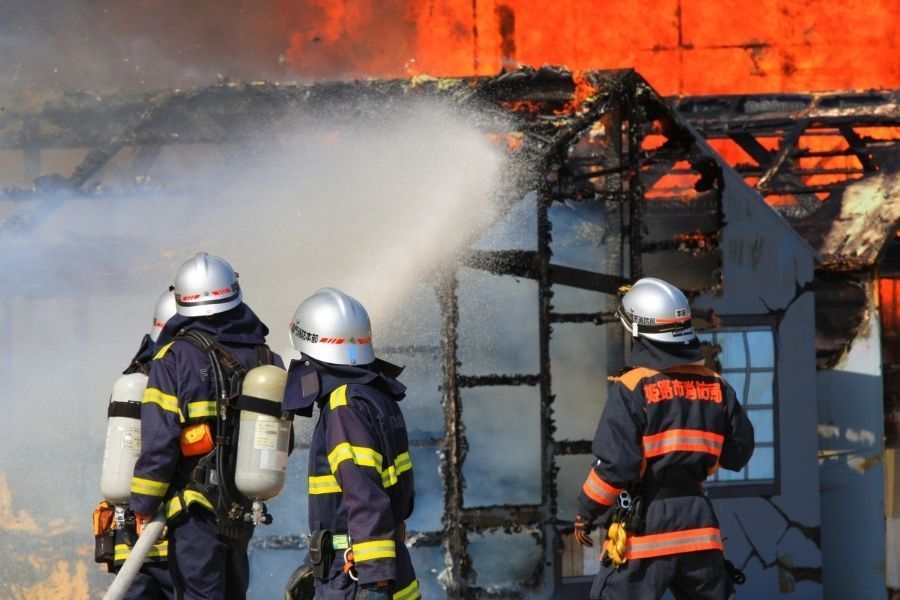
When electrical fires strike, they spread rapidly through older homes with original wiring systems.
According to the National Fire Protection Association (NFPA), electrical failures rank among the top causes of home fires. Homes more than 40 years old face substantially higher risks when their electrical infrastructure hasn't been updated.
Common Electrical Hazards Hiding in Aging Apopka Homes
Not all electrical hazards announce themselves with sparks and smoke. Some lurk quietly behind walls and in attics, building toward potential disaster. Here's what we commonly find when assessing fire damage in older Central Florida homes:
Outdated Wiring Types
Aluminum wiring dominated from the mid 1960s through mid 1970s and presents serious fire risks by modern standards. It expands and contracts with heat cycles, loosening connections over time and creating arcing hazards that can ignite surrounding materials.
Overloaded Circuits
Old electrical panels weren't built for today's power demands. When you run multiple high draw appliances through circuits designed for far less, heat builds up. That heat degrades wire insulation, which leads to exposed conductors, which leads to fires.
Deteriorated Wire Insulation
Florida's heat and humidity accelerate insulation breakdown. In attics where temperatures regularly exceed 130 degrees during summer months, older rubber insulated wiring becomes brittle and cracks. Once that protective coating fails, you have bare wires sitting in close proximity to flammable building materials.
Worried About Your Home's Electrical Safety?
If you've experienced any electrical fire damage, our IICRC certified team provides 24/7 emergency response throughout Apopka and Central Florida.
Get Your Free ConsultationWarning Signs Your Electrical System Needs Attention
Your home will often tell you when something's wrong. The key is learning to listen. Watch for these indicators that your electrical system may be heading toward failure:
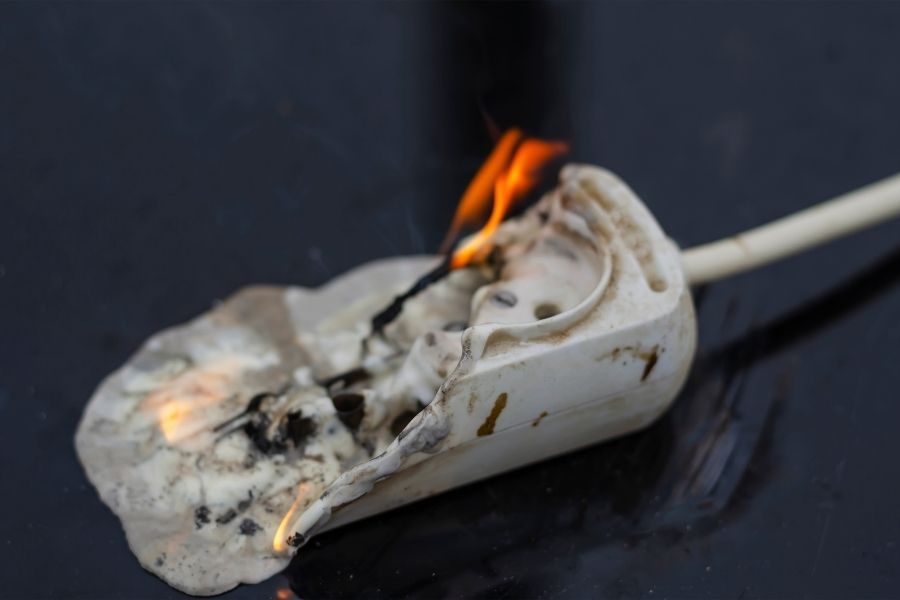
Overloaded power strips and extension cords are leading contributors to electrical fires in older homes.
| Warning Sign | What It Means | Urgency |
|---|---|---|
| Flickering or dimming lights | Loose connections or overloaded circuits | Moderate |
| Burning smell near outlets | Wire insulation overheating | High |
| Discolored outlet covers | Heat damage from arcing | High |
| Frequently tripped breakers | Circuit overload or short | Moderate |
| Buzzing from outlets or switches | Loose wiring or damaged components | High |
| Warm or hot outlet covers | Dangerous heat buildup | Critical |
If you notice any high or critical level warning signs, stop using the affected outlet immediately and contact a licensed electrician. These aren't situations where you can afford to wait.
Your Electrical Fire Prevention Checklist
Prevention always costs less than restoration. Here's what Apopka homeowners can do to reduce electrical fire risks in older properties:
- Get a professional electrical inspection if your home is more than 25 years old and hasn't been evaluated recently. A qualified electrician can identify outdated wiring, overloaded circuits, and potential hazards before they become emergencies.
- Upgrade your electrical panel if you still have an old fuse box. Moving to a 200 amp panel with arc fault circuit interrupters (AFCIs) dramatically reduces fire risk.
- Never daisy chain power strips or extension cords. Each power strip should plug directly into a wall outlet. Overloading these devices is one of the most common causes of electrical fires in older Apopka neighborhoods.
- Replace damaged cords and cracked outlet covers. That frayed lamp cord or broken outlet isn't just ugly, it's genuinely dangerous.
- Have older appliances inspected. If your refrigerator, air conditioner, or water heater is approaching 15 years old, these high draw appliances can stress aging electrical systems significantly.
Check out our guide on water damage prevention for related appliance maintenance tips that protect your home.
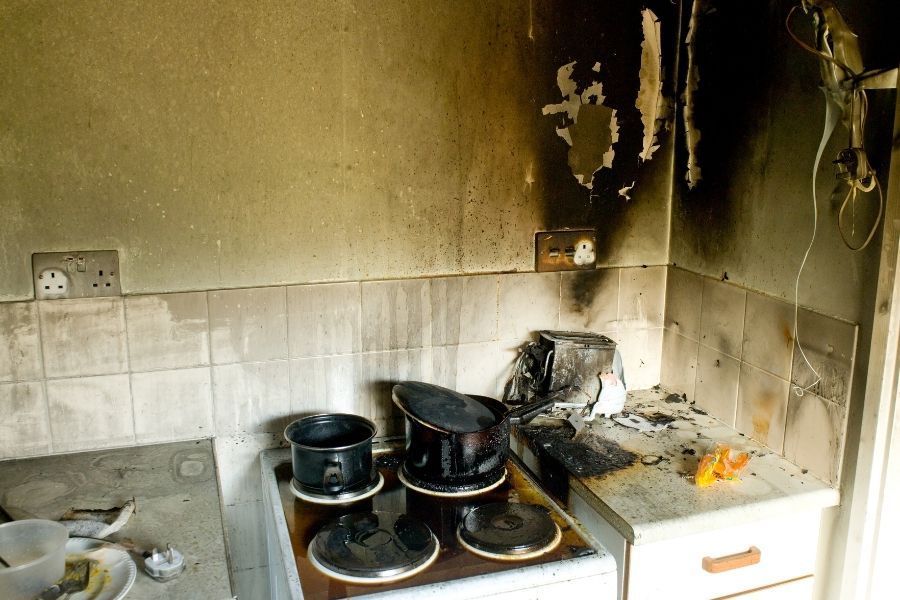
Kitchen fires often start with faulty appliances or overloaded circuits near cooking areas.
What to Do After an Electrical Fire
Even with precautions, fires happen. If your Apopka home experiences an electrical fire, here's what comes next.
First, ensure everyone's safety. Don't reenter the structure until fire officials clear it. Electrical fires can reignite, and smoke damage often creates hidden hazards including compromised air quality.
Once you have clearance, document everything for your insurance claim. Photograph damage from multiple angles and keep a detailed list of affected belongings. Ready.gov's home fire recovery guide offers excellent step by step instructions for navigating the aftermath.
Professional restoration should begin as quickly as possible. Smoke and soot continue damaging surfaces long after flames are extinguished. The acidic compounds in smoke residue etch into glass, corrode metals, and permanently stain fabrics if not addressed within 24 to 48 hours.
Fire damage restoration involves more than cleaning visible soot. It includes water damage remediation from firefighting efforts, structural assessment, smoke odor removal, and often complete reconstruction of affected areas. Understanding what fire damage restoration involves can help you set realistic expectations for the recovery timeline.
Good to Know
Most homeowners insurance policies cover fire damage restoration, including cleanup, repairs, and temporary housing if needed. At Florida Fire & Flood, we work directly with major insurance carriers, handling the claims process so you don't have to play middleman during recovery.
Frequently Asked Questions
How do I know if my Apopka home has aluminum wiring?
Check your electrical panel for wire markings. Aluminum wiring typically has "AL" or "Aluminum" printed on the cable jacket. You might also see "CO/ALR" on outlets and switches, indicating they're rated for aluminum connections. A licensed electrician can inspect and confirm within about an hour.
How quickly should I contact a restoration company after an electrical fire?
Contact a restoration company within the first 24 hours if possible. Smoke residue begins causing permanent damage almost immediately. The acidic compounds etch glass, corrode metal fixtures, and set into porous materials like drywall. Faster cleanup means more belongings saved and lower overall costs.
Does homeowners insurance cover electrical fire damage in older homes?
Yes, most standard homeowners insurance policies cover fire damage regardless of home age. This typically includes structure repair, content replacement, smoke damage cleanup, and additional living expenses if needed. Coverage specifics vary by policy, and restoration companies can help coordinate with your adjuster.
24/7 Fire Damage Restoration in Apopka
When electrical fires strike, our IICRC certified team responds within one hour. At Florida Fire & Flood, we handle everything from emergency board up through complete reconstruction, and we work directly with your insurance company.
Contact Our Team Today
Randy Lazarus
About The Author:
Randy Lazarus is the owner of Florida Fire & Flood, a locally owned and family-operated restoration company serving Central Florida communities since 2021. Leading a team of IICRC-certified technicians, Randy has built a reputation for providing 24/7 emergency response and compassionate service to homeowners and businesses facing water damage, fire damage, and mold emergencies. As a member of the Central Florida community, Randy understands the unique challenges property owners face in the region and is dedicated to helping his neighbors restore their properties and get back to normal life.
Read More:

Firefighting water soaks floors, walls, and ceilings far past the burn zone. Learn why extraction and drying must run alongside fire and smoke cleanup.
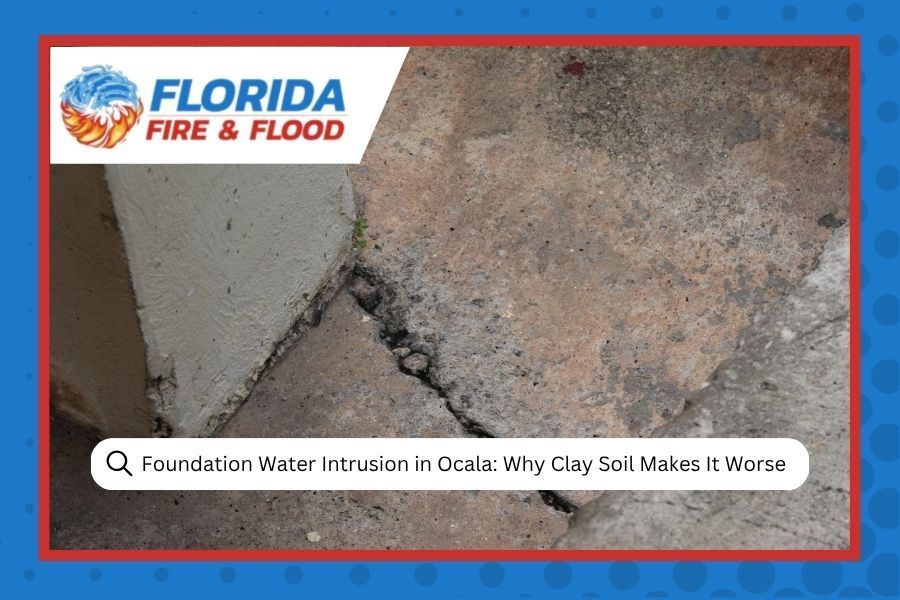
Foundation water intrusion in Ocala starts with clay soil. Learn the warning signs, how it differs from a plumbing leak, and when it is time to call us.
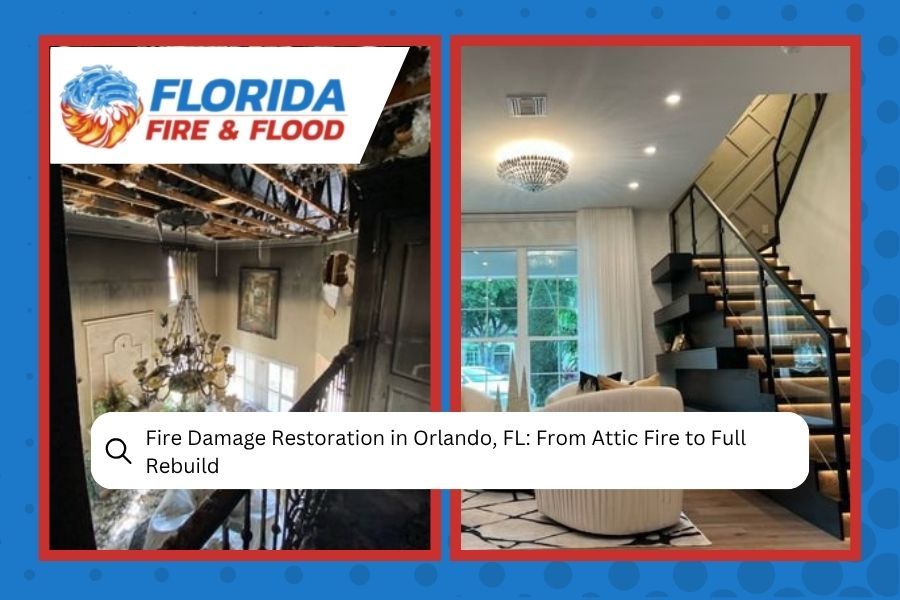
An attic fire took out the top floor of this Orlando home. See how our team rebuilt it, from the first tarp on the roof to finished kitchen and baths.
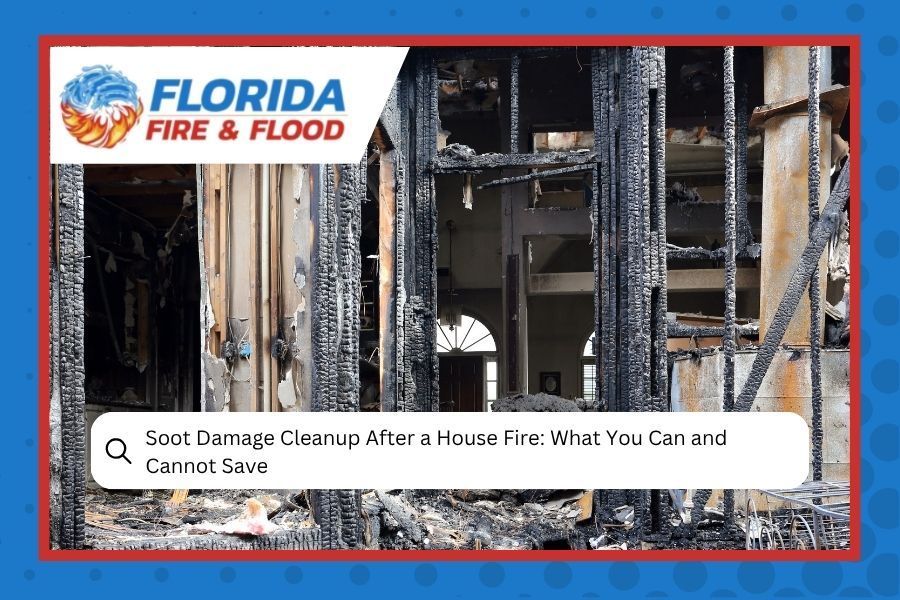
Soot damage cleanup after a house fire: learn what our IICRC certified team can save and what to replace, from textiles to electronics. Free consultation.
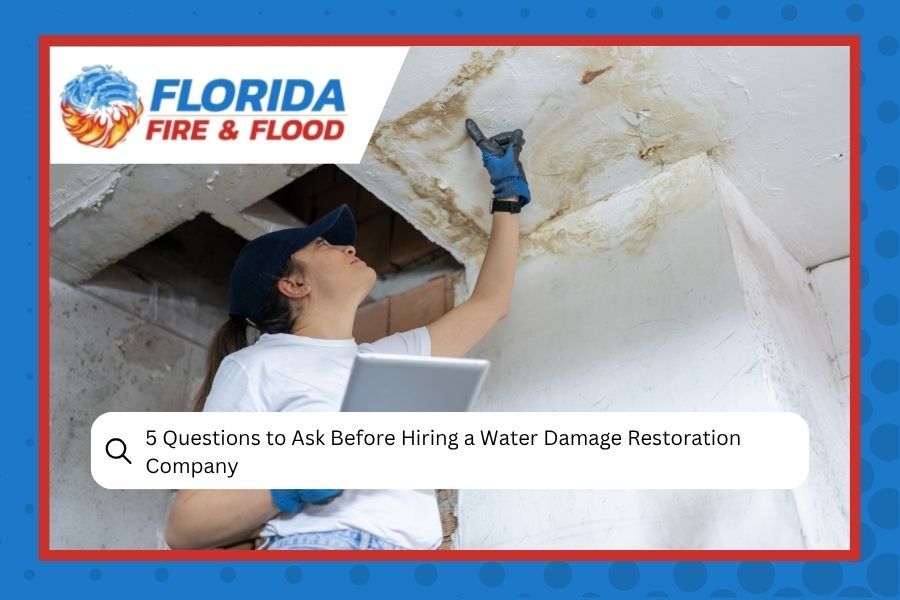
Hiring a water damage restoration company? Ask these 5 smart questions about certification, insurance, response time, gear, and repairs before you sign.
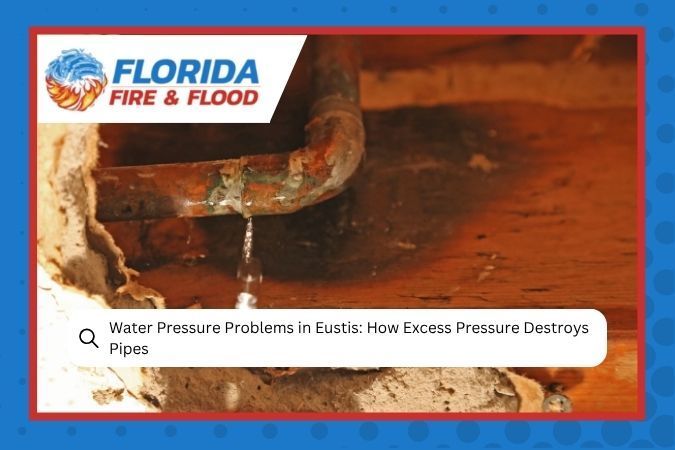
High water pressure damages pipes in Eustis homes. Learn the safe PSI range, regulator warning signs, and how to catch hidden leaks before they spread.