

AMRT - Applied Microbial Technician I, (Mold Remediation)
Winter Air Quality and Indoor Mold Prevention
January 20, 2026
Randy Lazarus
Jump To:
Central Florida winters bring something most people don't expect: prime conditions for indoor mold growth. While we're not dealing with snow or frozen pipes, temperature swings between cool mornings and warm afternoons create the perfect environment for moisture problems. Our team at Florida Fire & Flood sees a noticeable uptick in mold remediation calls during winter, and there's a good reason for that.
Most homeowners assume mold is a summer problem. Hot and humid sounds like mold paradise, right? But here's what actually happens in winter: you close up your house, run the heater, and suddenly you've created a sealed environment where moisture has nowhere to go. That trapped moisture becomes mold's best friend, and the results can catch you completely off guard.
Why Winter Creates Hidden Mold Risk in Florida Homes
The issue comes down to how we use our homes differently in cooler weather. During summer, your AC runs constantly, pulling moisture from the air. Winter changes that equation completely.
When temperatures drop, many Central Florida homeowners switch to heating mode. Your furnace warms the air but doesn't remove humidity like AC does. Meanwhile, you're keeping windows shut. Cooking, showering, and breathing add moisture with no easy escape route.
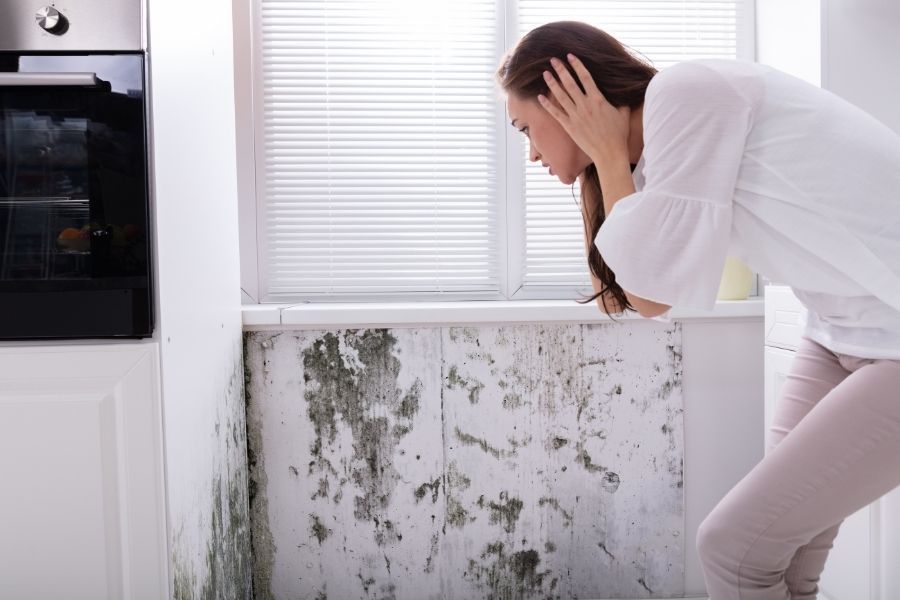
Mold often appears first in kitchens where cooking moisture combines with inadequate ventilation.
According to the EPA, mold can begin growing on damp surfaces within 24 to 48 hours. In a sealed winter home with elevated humidity, that timeline becomes very real.
The Condensation Problem Nobody Talks About
Here's something we see constantly in homes across Lake County, Sumter County, and the greater Orlando area. Homeowners wake up to water droplets on their windows. They wipe them down and move on. Big mistake.
That condensation is a symptom, not just an annoyance. It means your indoor humidity is too high relative to your window surface temperature. If moisture is condensing where you can see it, it's also condensing where you can't: inside wall cavities, around window frames, and in corners with poor air circulation.
Concerned About Mold in Your Home?
If you've noticed musty odors, visible mold, or persistent condensation, our IICRC-certified technicians can assess your situation.
Schedule Your Free Consultation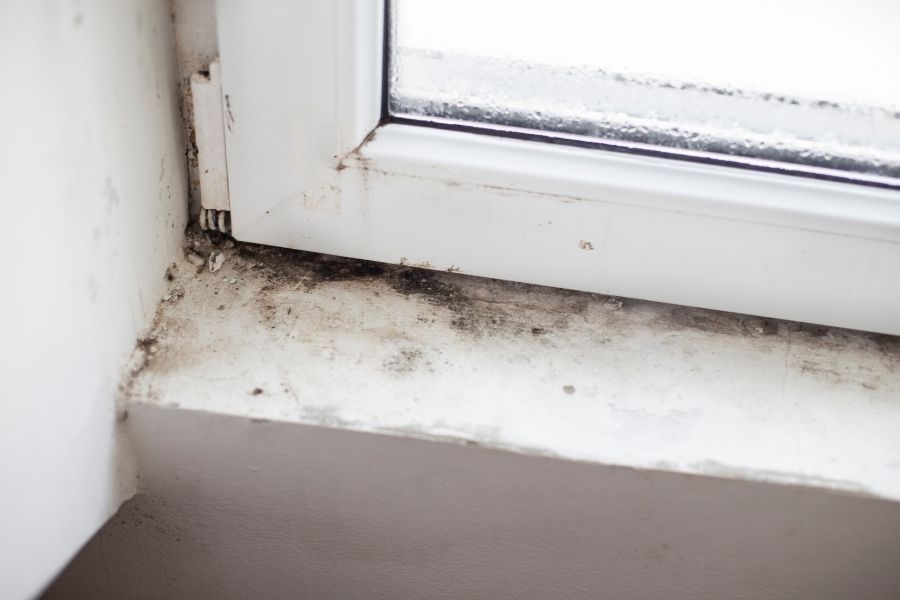
Window sills are common spots for mold growth when condensation isn't addressed promptly.
Air Quality Warning Signs You Shouldn't Ignore
Your body often detects mold problems before your eyes do. Pay attention to these signals:
- Musty or earthy odors that seem stronger in certain rooms
- Increased allergy symptoms like sneezing or congestion when indoors
- Respiratory irritation including coughing, especially at night
- Headaches or fatigue that improve when you leave the house
- Visible condensation on windows, pipes, or walls
These symptoms often get blamed on seasonal allergies or winter colds. But if they persist and seem specifically tied to being inside your home, mold exposure could be the culprit. The CDC notes that mold exposure can cause respiratory symptoms in otherwise healthy individuals and more severe reactions in people with existing respiratory conditions or weakened immune systems.
Your Winter Mold Prevention Checklist
Preventing mold growth is far easier and less expensive than dealing with remediation after the fact. Here's what actually works to keep your Central Florida home mold-free during winter:
| Action | Frequency | Why It Matters |
|---|---|---|
| Monitor indoor humidity | Daily | Keep between 30% and 50% |
| Run bathroom exhaust fans | During and 30 min after showers | Removes moisture at source |
| Use kitchen ventilation | Every time you cook | Steam adds significant humidity |
| Check under sinks | Weekly | Catches leaks before mold starts |
| Inspect window sills | Weekly | Early condensation detection |
| Change HVAC filters | Monthly | Maintains airflow and filtration |
A quality hygrometer costs about $15 and provides real data about your indoor humidity levels. It's one of the best investments you can make for mold prevention. If readings consistently show humidity above 50%, consider running a dehumidifier, especially in bathrooms, laundry rooms, and other areas where moisture tends to accumulate.
Your HVAC System's Role in Mold Prevention
Your heating and cooling system does more than control temperature. It's your primary tool for managing indoor humidity and air quality throughout your home. But it can only do its job when working properly and maintained regularly.
Dirty filters restrict airflow and reduce your system's effectiveness. Clogged condensate drains cause water backups that go unnoticed until damage appears. Ductwork issues can distribute mold spores throughout your entire home. We've responded to water damage calls that started as simple HVAC condensate overflows. What seems like a minor drip can saturate insulation and drywall in areas you never see until the problem becomes severe.
Indoor Humidity Sweet Spot
30-50%
Ideal Range
Below 30%
Too Dry
Above 60%
Mold Risk Zone
If you haven't had your HVAC system serviced recently, winter is a good time to schedule maintenance. A technician can check your drain lines, inspect ductwork, and ensure your system operates efficiently. For more seasonal home care tips, check out our guide on water heater maintenance during high-usage season.
When to Call the Professionals
Small surface mold patches on bathroom tile or around sink fixtures can usually be cleaned yourself with appropriate products and good ventilation. But certain situations require professional help to ensure the problem is fully resolved:
- Affected area exceeds 10 square feet
- Mold is growing inside walls, ceilings, or HVAC systems
- Anyone in your household has respiratory conditions
- Mold returns after cleaning
- You smell mold but can't find it
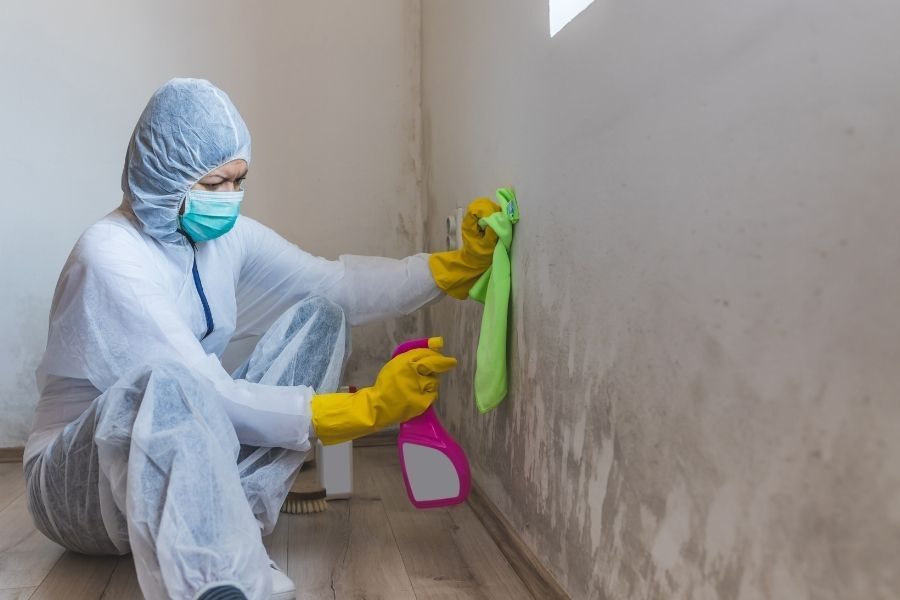
Professional remediation ensures proper containment and prevents spores from spreading throughout your home.
Professional remediation isn't just about removing visible mold. It involves identifying and fixing the moisture source, containing affected areas to prevent spore spread, removing contaminated materials safely, and treating surfaces to prevent regrowth. Our team uses air scrubbers and containment barriers during remediation because disturbing mold without proper precautions can actually make your air quality worse. We've written more about Florida's unique challenges in our article on fall humidity changes and mold prevention.
Florida Fire & Flood is Here to Help
Serving Lake County, Sumter County, Orlando, and Central Florida with 24/7 emergency response.
Call (352) 644-7969 or contact us online
Frequently Asked Questions
Can mold grow in my Florida home during winter without visible water damage?
Yes. Mold needs moisture, not necessarily visible water. Elevated indoor humidity from closed windows, cooking, and reduced AC use creates enough moisture for mold growth. Condensation on windows often signals that humidity levels are too high.
How quickly can mold develop from winter condensation?
Mold can begin growing within 24 to 48 hours on damp surfaces. If condensation issues persist without being addressed, mold colonies can establish in window frames and wall cavities. Early intervention is always easier than remediation after mold spreads.
Should I run my AC during Central Florida winters to prevent mold?
Running AC periodically helps remove excess humidity. Many homeowners cycle between heat and AC as temperatures fluctuate to maintain humidity control. Alternatively, a standalone dehumidifier achieves similar results when running heat.
When should I call a professional for mold instead of cleaning it myself?
Call professionals when mold exceeds 10 square feet, grows on porous materials like drywall, appears inside HVAC systems, or keeps returning after cleaning. Also seek help if household members have respiratory conditions or you smell mold but cannot locate the source.

Randy Lazarus
About The Author:
Randy Lazarus is the owner of Florida Fire & Flood, a locally owned and family-operated restoration company serving Central Florida communities since 2021. Leading a team of IICRC-certified technicians, Randy has built a reputation for providing 24/7 emergency response and compassionate service to homeowners and businesses facing water damage, fire damage, and mold emergencies. As a member of the Central Florida community, Randy understands the unique challenges property owners face in the region and is dedicated to helping his neighbors restore their properties and get back to normal life.
Read More:
Smoke odor removal vs fire damage restoration explained: why odor and structural damage need different methods, timelines, and claims in Central Florida.
See the fire damage reconstruction timeline Lake County homeowners can expect, from board-up to move-in, plus the permit and insurance delays to plan for.

Firefighting water soaks floors, walls, and ceilings far past the burn zone. Learn why extraction and drying must run alongside fire and smoke cleanup.
Foundation water intrusion in Ocala starts with clay soil. Learn the warning signs, how it differs from a plumbing leak, and when it is time to call us.

An attic fire took out the top floor of this Orlando home. See how our team rebuilt it, from the first tarp on the roof to finished kitchen and baths.
Soot damage cleanup after a house fire: learn what our IICRC certified team can save and what to replace, from textiles to electronics. Free consultation.