
AMRT - Applied Microbial Technician I, (Mold Remediation)
Christmas Tree Mold: A Hidden Holiday Hazard in Leesburg
December 23, 2025
Randy Lazarus
📑 Jump To:
The holidays in Leesburg bring warm weather, twinkling lights, and the smell of pine filling your living room. But what if that beautiful Christmas tree you just brought home is hiding something dangerous? Christmas tree mold is a real problem here in Central Florida, and it's one that catches families completely off guard every December.
We've seen it happen more times than we'd like to admit. A family decorates their tree, enjoys a few weeks of holiday cheer, and then someone starts sneezing. The kids develop a cough that won't quit. Allergies seem to flare up out of nowhere. The culprit? Mold spores hitchhiking into your home on that festive evergreen. At Florida Fire & Flood, we want to help you enjoy the holidays without the hidden health hazards.
What Is Christmas Tree Mold?
Christmas tree mold isn't just one type of fungus. It's actually a collection of different mold species that love to grow on trees, both while they're growing outdoors and after they've been cut. The most common types include Aspergillus, Penicillium, and Cladosporium. These microscopic organisms live on the bark, needles, and branches of your tree, just waiting for the right conditions to multiply.
Here's the thing about bringing a tree indoors: you're creating a mold paradise. Your heated home provides warmth. You're watering the tree regularly. The humidity levels in Florida are already higher than most places. Put it all together, and you've got the perfect recipe for mold to explode in population.
A study from St. Vincent's Medical Center in Bridgeport, Connecticut found that mold spore counts in homes with Christmas trees can increase by up to 800 within just two weeks. That's not a typo. Six hundred percent. Those spores become airborne, circulating through your HVAC system and settling into your carpets, furniture, and curtains.

Your beautiful holiday tree could be harboring hidden mold spores
Why Christmas Trees Harbor Mold in the First Place
Real Christmas trees grow outdoors, exposed to rain, humidity, and soil. Mold spores are everywhere in nature, and they naturally colonize tree bark and needles as part of the ecosystem. When trees are growing, this isn't a problem. The tree's natural defenses and outdoor air circulation keep mold populations in check.
But once that tree gets cut, things change fast. The tree starts to die, and its natural defenses weaken. If the tree sits in a lot for days or weeks before you buy it, mold has even more time to establish itself. Then you bring it inside, stand it in water, and crank up the heat. Mold doesn't need much to thrive, just moisture, organic material, and moderate temperatures. Your living room checks all those boxes.
🌡️ The Florida Factor
Living in Leesburg means dealing with humidity year-round, even in December. While northern states might have dry winter air that naturally inhibits mold growth, we're dealing with moisture levels that can hover around 60-70% even during the holidays. That ambient humidity, combined with the water you're adding to keep your tree fresh, creates an environment where mold can spread rapidly. Learn more about how humidity affects mold growth in Central Florida homes.
We see this pattern repeatedly in our restoration work. High humidity contributes to mold issues throughout Central Florida homes, and Christmas trees can act as a delivery system for introducing new mold colonies into otherwise clean spaces.
🚨 Concerned About Mold in Your Home?
Our IICRC-certified team is available 24/7 to help with mold concerns. We respond within one hour and serve all of Leesburg and Lake County.
Get Your Free ConsultationDon't Forget About Artificial Trees
Think switching to an artificial tree solves the problem? Not necessarily. While fake trees don't introduce fresh mold spores from outdoors, they can still become mold magnets if you're not careful. Here's how it happens.
Most people store artificial trees in attics, garages, or storage sheds. In Central Florida, these spaces get hot and humid, especially during summer months. If moisture gets into your tree storage box, whether from a roof leak, condensation, or just our humid air, mold can grow on the dust and debris that accumulates on the branches.
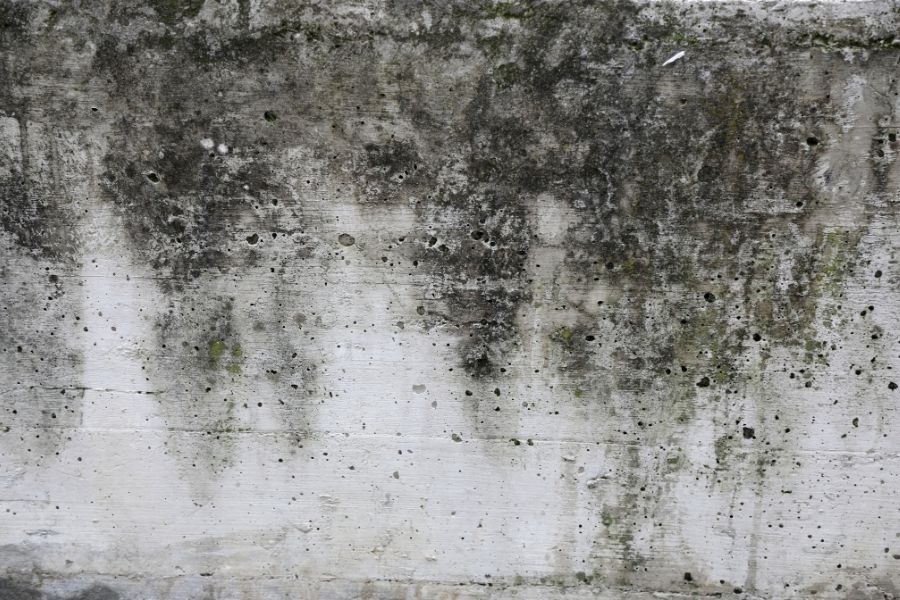
Storage areas with moisture problems can lead to mold on stored holiday decorations
When you pull that tree out in December and set it up, you're releasing any mold spores that grew during storage. The warm indoor environment reactivates dormant spores, and suddenly you've got the same problem you were trying to avoid.
Health Risks You Need to Know
Christmas tree mold isn't just an inconvenience. For many people, especially those with allergies, asthma, or compromised immune systems, it's a legitimate health threat. According to the Environmental Protection Agency, mold exposure can cause a variety of health effects. The symptoms can sneak up on you because they're easy to mistake for a cold or seasonal allergies.
⚠️ Common Symptoms of Mold Exposure
🫁 Respiratory Issues
Coughing, wheezing, shortness of breath, chest tightness
👃 Nasal Problems
Congestion, runny nose, sneezing, sinus pressure
👁️ Eye Irritation
Redness, itching, watering, burning sensation
🤕 Skin Reactions
Rashes, itching, hives in sensitive individuals
😴 Fatigue
Persistent tiredness, difficulty concentrating
🤯 Headaches
Recurring headaches that improve when away from home
The tricky part is that these symptoms often appear gradually. You might notice them getting worse over the two or three weeks your tree is up, but you don't make the connection until the tree comes down and everyone suddenly feels better.
For people with asthma, Christmas tree mold can trigger serious attacks. We've heard from families who ended up in urgent care during the holidays, only to discover later that their Christmas tree was the problem. Children and elderly family members are particularly vulnerable because their immune systems may be less robust.
How to Spot Mold on Your Christmas Tree
Mold on Christmas trees isn't always obvious. It's not like finding a black patch on your bathroom wall. Tree mold often hides in plain sight, disguised as part of the natural bark texture or needles. But there are telltale signs if you know what to look for.
Check your tree regularly, especially the trunk where it sits in water and the inner branches that don't get as much air circulation. Run your hand along the trunk and smell your fingers. If you detect that musty, mildew smell, you've likely got mold. For more information on identifying different types of mold, check out our guide on common causes of mold in Florida homes.
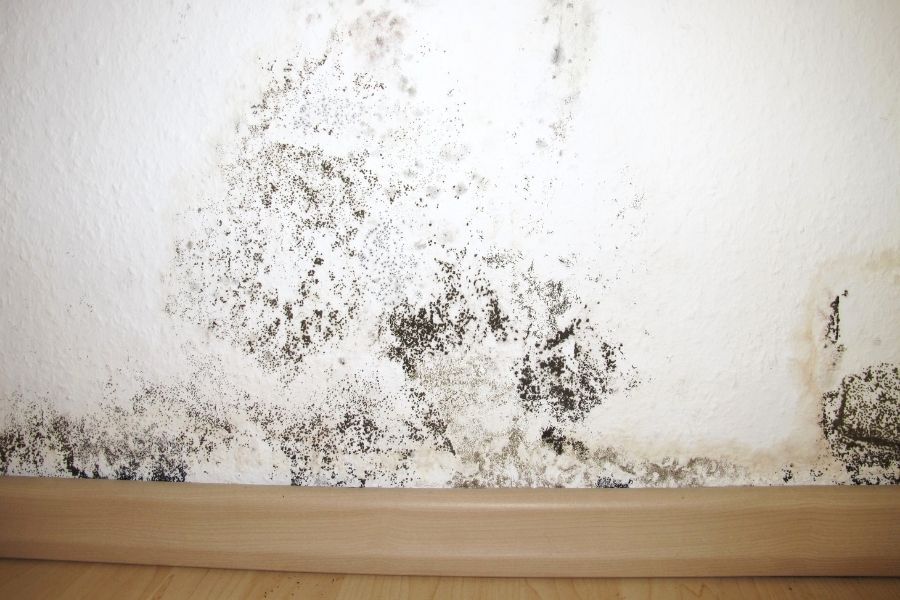
Mold doesn't just stay on the tree, it can spread to nearby surfaces
Prevention Strategies That Actually Work
You don't have to skip the Christmas tree tradition to avoid mold. You just need to be smart about selection, maintenance, and monitoring. Here are strategies we recommend based on years of dealing with mold issues across Central Florida.
🎄 Complete Christmas Tree Mold Prevention Guide
Step 1: Before You Buy
Inspect the tree carefully at the lot. Look for obvious signs of mold, check the freshness by bending needles (they should be flexible, not brittle), and ask when the tree was cut. Fresher is always better. Consider buying from a local farm where you can cut your own tree, ensuring maximum freshness.
Step 2: Initial Treatment
Before bringing your tree inside, hose it down thoroughly outdoors. This washes off loose mold spores, dust, pollen, and other allergens. Let it air dry completely before bringing it in. Some people even give their tree a shake to dislodge loose needles and debris that could harbor mold.
Step 3: Proper Setup
- Use a tree stand with adequate water capacity and refill it daily
- Keep your tree away from heat sources like fireplaces and heating vents
- Maintain indoor humidity between 30-50% using a dehumidifier if necessary
- Run ceiling fans or open windows periodically to improve air circulation
- Change your HVAC filter more frequently during the weeks your tree is up
- Vacuum around the tree regularly to pick up fallen needles before they accumulate
Step 4: For Artificial Trees
Store your artificial tree in a cool, dry location. Use airtight containers or heavy-duty tree bags. Before packing it away each year, wipe down all branches with a slightly damp cloth to remove dust. Consider adding silica gel packets to your storage container to absorb excess moisture. When you take it out next year, inspect it carefully and wipe it down again before setting it up.
If you're dealing with ongoing moisture issues in your storage areas, that's a bigger problem that needs attention. Our team can help assess whether humidity issues in your home are creating conditions for mold growth beyond just your Christmas tree.
When to Call for Professional Help
Sometimes prevention isn't enough, and you need expert assistance. If you discover mold on your Christmas tree or suspect it's caused mold to spread in your home, don't panic. But do take it seriously.
Remove the tree immediately if you find significant mold growth. Don't try to shake it off or wash it away. You'll just spread more spores throughout your house. Wrap the tree in a large plastic bag or tarp before carrying it outside to contain the spores.
After the tree is gone, monitor your home for signs that mold has spread. Check the area where the tree stood, especially if water spilled onto carpet or flooring. Look at nearby walls, furniture, and curtains. If you notice musty odors, visible mold growth, or if family members continue experiencing symptoms after the tree is removed, it's time to bring in professionals.
At Florida Fire & Flood, we're IICRC certified in mold remediation and we understand how mold behaves in Central Florida's unique climate. We can assess whether mold from your Christmas tree has spread, identify all affected areas, and safely remove it. Our team responds within one hour and we work directly with your insurance company, so you don't have to play middleman.
We also partner with St. Paul Solutions for professional mold testing when needed. Florida law requires mold testing to be performed by licensed hygienists, and we make sure everything is done right. Learn more about preventing mold growth in your Florida home year-round.
✅ Quick Action Checklist If You Find Mold:
- Remove the tree from your home immediately
- Bag or wrap it to contain spores during removal
- Dispose of it promptly, don't leave it on your porch
- Vacuum the area thoroughly with a HEPA filter vacuum
- Check surrounding areas for mold spread
- Monitor family health symptoms
- Call professionals if mold has spread beyond the tree
Enjoy Your Holidays Safely
Christmas tree mold is a real concern here in Leesburg, but it doesn't have to ruin your holidays. With proper selection, maintenance, and vigilance, you can enjoy your tree without worrying about health hazards. Pay attention to what your tree and your body are telling you. That musty smell isn't festive, and those allergy symptoms might not be seasonal.
We're here to help if things go wrong. Our team at Florida Fire & Flood has been serving Central Florida families since 2021, and we're available 24/7 for emergencies. Whether it's Christmas tree mold or any other mold concern in your home, we've got the expertise and equipment to handle it safely and effectively. Give us a call at (352) 644-7969 for your Free Consultation.
Stay safe this holiday season, and don't let hidden mold steal your Christmas cheer.
Frequently Asked Questions
How long does it take for mold to grow on a Christmas tree?
Mold spores are usually already present on Christmas trees when you buy them. However, the population explosion happens quickly once the tree is indoors. Studies show mold counts can increase dramatically within just 7-14 days in a heated home. The warm temperature, regular watering, and Florida's natural humidity create ideal conditions for rapid mold growth.
Can Christmas tree mold make you sick even after the tree is removed?
Yes, because mold spores become airborne and can settle throughout your home. They land on carpets, furniture, curtains, and inside your HVAC system. Even after removing the tree, these spores can continue triggering allergic reactions and respiratory symptoms. Thorough cleaning and potentially professional mold remediation may be necessary if the contamination is significant.
Is there a type of Christmas tree less likely to have mold?
Fraser firs and Canaan firs tend to have better needle retention and may be slightly less susceptible to mold than some other varieties, but all real trees can harbor mold. The key is freshness and proper care rather than species. A freshly cut tree that's inspected carefully and maintained properly will have fewer mold issues regardless of type. In Central Florida, buying the freshest tree possible is more important than worrying about which species to choose.
Should I add anything to the water to prevent mold growth?
Plain water is best for your tree's health. While some people suggest adding bleach, aspirin, or other additives, these can actually harm the tree and aren't proven to prevent mold effectively. The tree's natural sap production helps preserve it, and additives can interfere with water uptake. Focus instead on keeping the water fresh, the stand clean, and maintaining good air circulation around the tree.

Randy Lazarus
About The Author:
Randy Lazarus is the owner of Florida Fire & Flood, a locally owned and family-operated restoration company serving Central Florida communities since 2021. Leading a team of IICRC-certified technicians, Randy has built a reputation for providing 24/7 emergency response and compassionate service to homeowners and businesses facing water damage, fire damage, and mold emergencies. As a member of the Central Florida community, Randy understands the unique challenges property owners face in the region and is dedicated to helping his neighbors restore their properties and get back to normal life.
Read More:
Soot damage cleanup after a house fire: learn what our IICRC certified team can save and what to replace, from textiles to electronics. Free consultation.
Hiring a water damage restoration company? Ask these 5 smart questions about certification, insurance, response time, gear, and repairs before you sign.
High water pressure damages pipes in Eustis homes. Learn the safe PSI range, regulator warning signs, and how to catch hidden leaks before they spread.

Wondering what water damage restoration costs in Lake County? Florida Fire & Flood breaks down pricing by water category, square footage, and scope.
Leesburg homeowners: learn 7 electrical fire risks that spike during Florida's summer storm season and how to protect your home before the next storm hits.
Florida drain backups during heavy rain explained: warning signs, sewer backup prevention tips, backwater valve info, and what to do when a backup happens.
