
AMRT - Applied Microbial Technician I, (Mold Remediation)
Fireplace Safety for Occasional Central Florida Use
January 13, 2026
Randy Lazarus
Jump To:
Central Florida doesn't exactly have a fireplace culture. We're more likely to crank the AC in December than bundle up by a crackling fire. But when those rare cold fronts sweep through, there's something undeniably cozy about lighting up the fireplace you've ignored for eleven months.
Here's the thing, though. Occasional use can actually be riskier than regular use. That fireplace sitting dormant in your Leesburg or Mount Dora home has been collecting debris, housing critters, and developing issues you won't notice until flames are involved. Our team at Florida Fire & Flood has responded to fire damage emergencies that started exactly this way, with a cozy evening turning into a frantic 911 call.
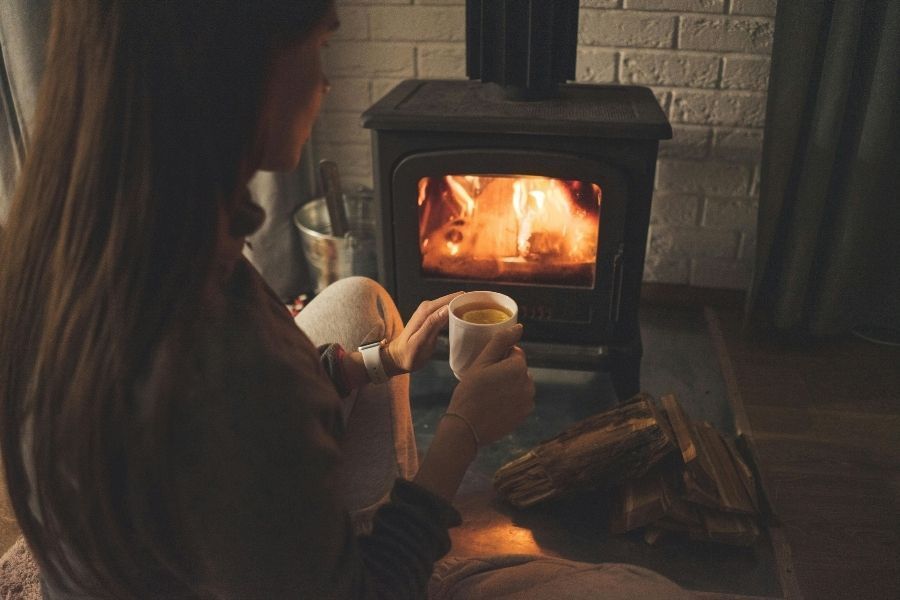
A cozy fireplace evening requires proper safety preparation, especially in homes that only use their fireplace a few times each year.
Why Occasional Use Creates Unique Risks
Regular fireplace users tend to catch problems early. They notice when the draft feels weak or when smoke isn't venting properly. They've developed instincts through repetition.
Occasional users? Not so much. You fire up the hearth maybe three or four times between December and February, then forget about it until next year. That gap creates several specific hazards.
Birds love inactive chimneys. Squirrels find them appealing too. A nest blocking your flue can send smoke and carbon monoxide directly into your living room instead of up and out. According to the National Fire Protection Association, failure to clean chimneys is the leading cause of home heating fires.
Creosote buildup doesn't take a break either. Even minimal use deposits this tar-like substance on your chimney walls, and it becomes more flammable as it ages. A year of sitting undisturbed doesn't make it safer. It makes it more unpredictable when you finally strike that match.
Dampers also suffer during extended dormancy. These metal flaps control airflow in your chimney, but rust and debris accumulation can prevent them from opening properly.
Experienced a fireplace incident or chimney fire?
Florida Fire & Flood provides 24/7 emergency fire damage restoration throughout Central Florida.
Get a Free ConsultationBefore You Light That First Fire of the Season
Think of your fireplace like a car that's been sitting in the garage. You wouldn't just jump in and floor it after months of neglect. Same principle applies here.
Schedule a Professional Inspection
The Chimney Safety Institute of America recommends annual inspections, even for fireplaces used sparingly. A certified chimney sweep can identify cracks in the flue liner, deteriorating mortar, animal nests, and excessive creosote, all things you can't see from your living room.
Yes, it costs money. But it costs significantly less than the fire damage restoration that follows a chimney fire.
Open the Damper and Make Sure It Actually Opens
Dampers can seize up after months of disuse. Rust, debris, and warping all play a role. Before lighting anything, manually check that your damper opens and closes fully. If it's stuck, do not attempt a fire.
Check the Firebox and Hearth
Look for cracks in the firebricks or gaps in the mortar. These flaws allow heat to reach combustible materials in your walls. Also check that your hearth extends far enough to catch errant sparks.
Pre-Season Fireplace Inspection Checklist
Use this checklist before your first fire of the season. Walk through each item, and don't skip steps because the temperature dropped suddenly.
| Inspection Item | What to Look For | Action If Failed |
|---|---|---|
| Damper operation | Opens and closes smoothly | Call chimney professional |
| Flue visibility | Can see daylight when looking up | Do not use; schedule inspection |
| Firebox condition | No cracks, intact mortar | Repair before use |
| Smoke detectors | Working batteries, proper placement | Replace batteries immediately |
| CO detector | Functioning and not expired | Install or replace unit |
| Fire extinguisher | Charged, accessible, not expired | Recharge or replace |
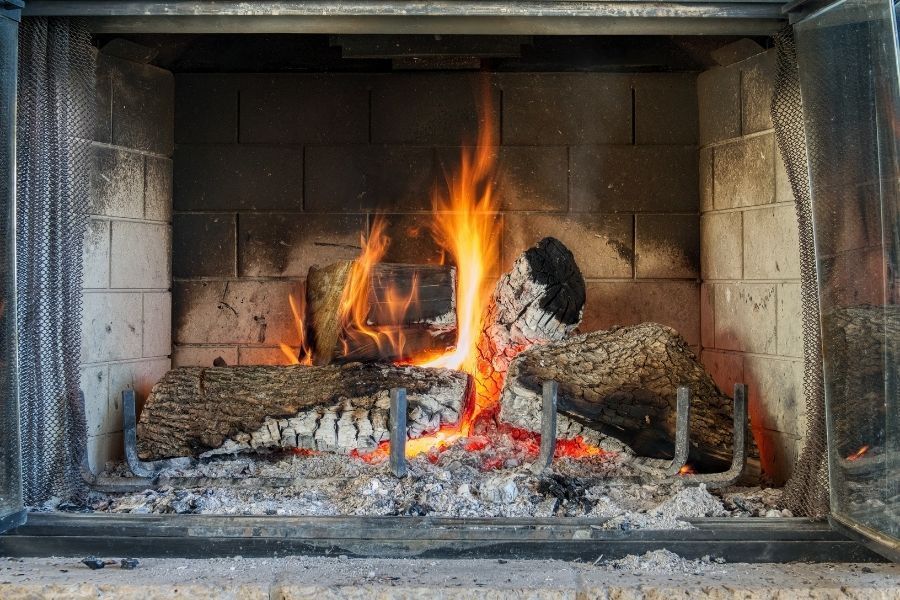
A properly maintained fireplace burns efficiently with good draft and minimal smoke spillage into the room.
Safe Burning Practices for Florida's Occasional Fireplace Users
Once you've confirmed everything checks out, follow these practices to keep your cozy evening from becoming an emergency.
Use Seasoned Hardwood Only
Green or wet wood creates excessive smoke and accelerates creosote buildup. Oak, hickory, and ash that have dried for at least six months burn cleaner and hotter. Avoid softwoods like pine, which contain more sap.
Never burn treated lumber, painted wood, or garbage. The chemicals released are toxic, and the fire burns unpredictably.
Start Small and Build Up
Resist the urge to create an inferno immediately. Start with kindling and small pieces, let the flue warm up, then gradually add larger logs. This approach establishes proper draft and reduces the risk of smoke backing into your room.
Maintain Proper Clearance
Keep furniture, curtains, Christmas decorations, and other combustibles at least three feet from the fireplace opening. One popping ember can travel further than you'd expect. Ready.gov emphasizes that maintaining clearance around heating sources is one of the most effective fire prevention measures.
Warning Signs Something's Wrong
Even with preparation, things can go sideways. Know these warning signs and respond immediately.
Smoke filling the room instead of going up the chimney indicates a blocked flue, closed damper, or insufficient draft. Extinguish the fire and ventilate your home.
A roaring sound from inside the chimney could signal a chimney fire. The creosote has ignited inside your flue. Get everyone out of the house immediately and call 911. Do not attempt to extinguish it with water, as the rapid temperature change can crack the chimney liner.
Unusual odors beyond normal wood smoke suggest something's burning that shouldn't be. This could be animal remains, accumulated debris, or even materials in your walls getting too hot from a compromised firebox.
Visible damage appearing during use like new cracks or falling mortar means stop the fire immediately. Your firebox isn't containing heat properly, and the situation will only get worse.
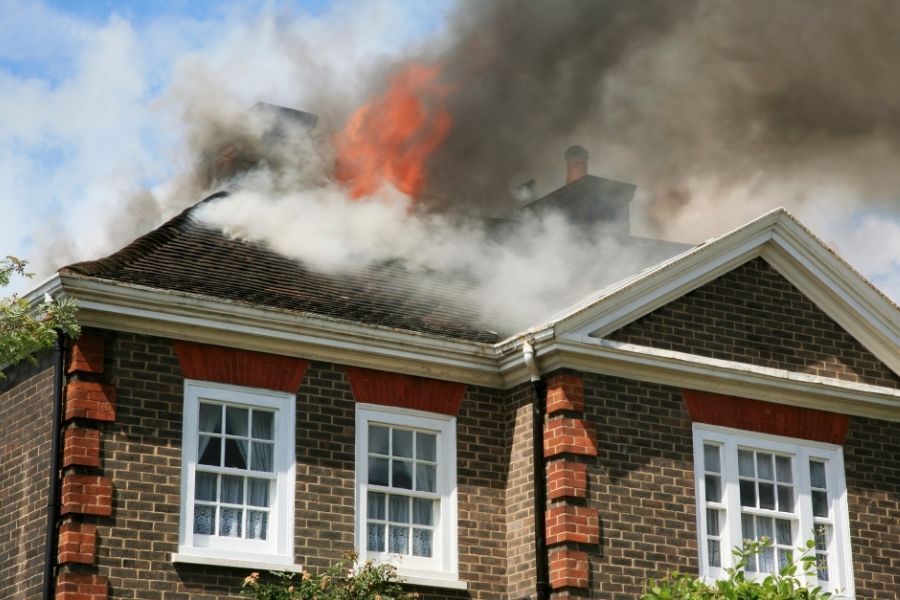
Chimney fires can spread rapidly to attic spaces and roofing materials. Early detection and professional restoration are critical.
After the Fire Season Ends
When Central Florida's brief cold season wraps up, don't just walk away from your fireplace until next December. Clean out all ash and debris once the fireplace has completely cooled. Leave the damper slightly open to allow moisture to escape. Consider having a chimney cap installed if you don't have one.
If you experienced any fire incidents during the holiday season or noticed smoke damage around your fireplace area, addressing it promptly prevents lingering odors and potential mold growth from moisture intrusion.
Fire Damage? We're Here 24/7.
Florida Fire & Flood provides complete fire damage restoration for Central Florida homes, from smoke and soot removal to full reconstruction.
Call (352) 644-7969
Contact Our TeamFrequently Asked Questions
How often should I have my chimney inspected if I only use my fireplace a few times per year?
Annual inspections are recommended regardless of usage frequency. Chimneys deteriorate from weather exposure, animal activity, and moisture even when not in use. A certified professional can identify hidden issues that develop during dormant months.
What should I do if smoke is coming into my room instead of going up the chimney?
Extinguish the fire safely by spreading out the logs. Open windows and doors to ventilate. Check whether your damper is fully open. If the damper is open and smoke still backs up, you likely have a flue obstruction requiring professional assessment.
Can fireplace use cause mold problems in Central Florida homes?
Yes, indirectly. Unused chimneys without proper caps allow rain and humidity into the flue, creating moisture problems that lead to mold growth. Keeping your chimney capped and addressing any water intrusion promptly helps prevent these issues.
How do I know if I'm having a chimney fire?
A chimney fire produces a loud roaring or rumbling sound, much louder than normal fire crackle. You might also see dense smoke or sparks shooting from the chimney top. If you suspect a chimney fire, evacuate immediately and call 911.

Randy Lazarus
About The Author:
Randy Lazarus is the owner of Florida Fire & Flood, a locally owned and family-operated restoration company serving Central Florida communities since 2021. Leading a team of IICRC-certified technicians, Randy has built a reputation for providing 24/7 emergency response and compassionate service to homeowners and businesses facing water damage, fire damage, and mold emergencies. As a member of the Central Florida community, Randy understands the unique challenges property owners face in the region and is dedicated to helping his neighbors restore their properties and get back to normal life.
Read More:
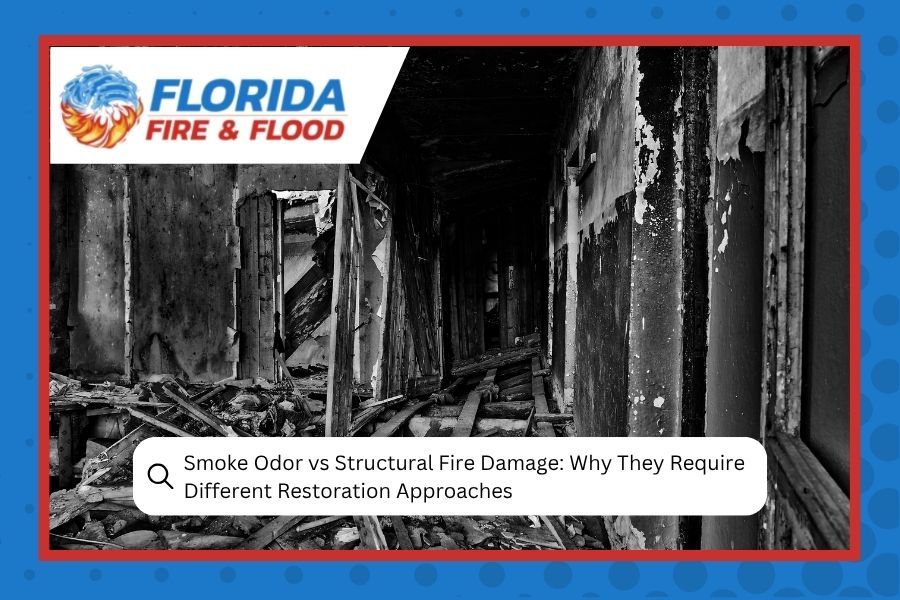
Smoke odor removal vs fire damage restoration explained: why odor and structural damage need different methods, timelines, and claims in Central Florida.
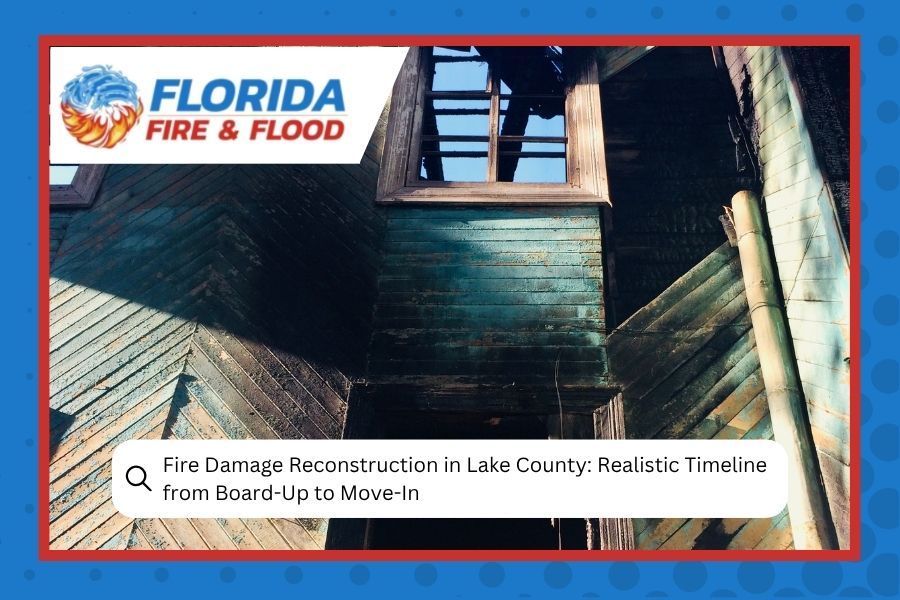
See the fire damage reconstruction timeline Lake County homeowners can expect, from board-up to move-in, plus the permit and insurance delays to plan for.

Firefighting water soaks floors, walls, and ceilings far past the burn zone. Learn why extraction and drying must run alongside fire and smoke cleanup.
Foundation water intrusion in Ocala starts with clay soil. Learn the warning signs, how it differs from a plumbing leak, and when it is time to call us.
An attic fire took out the top floor of this Orlando home. See how our team rebuilt it, from the first tarp on the roof to finished kitchen and baths.
Soot damage cleanup after a house fire: learn what our IICRC certified team can save and what to replace, from textiles to electronics. Free consultation.