

AMRT - Applied Microbial Technician I, (Mold Remediation)
Water Heater Maintenance During High-Usage Season
December 9, 2025
Randy Lazarus
Jump To:
December in Central Florida brings something most homeowners don't think about until it's too late: massive strain on your water heater. Between holiday cooking marathons, extra loads of laundry from visiting family, and everyone wanting hot showers, your water heater works harder this month than any other time of year. And when it fails? The water damage can turn your holiday celebration into a restoration emergency.
Here's what most people miss: water heater failures are among the top causes of home water damage claims during the holiday season. A single burst tank can release 30-50 gallons of water per hour, flooding your utility room, garage, or wherever your water heater lives. By the time you notice, you might be dealing with soaked drywall, damaged flooring, and potential mold growth.
We've seen it countless times at Florida Fire & Flood. Someone's hosting their family for the holidays, the water heater gives up under the extra demand, and suddenly they're dealing with water damage restoration instead of opening presents. The good news? Most of these disasters are completely preventable with some simple maintenance and awareness.
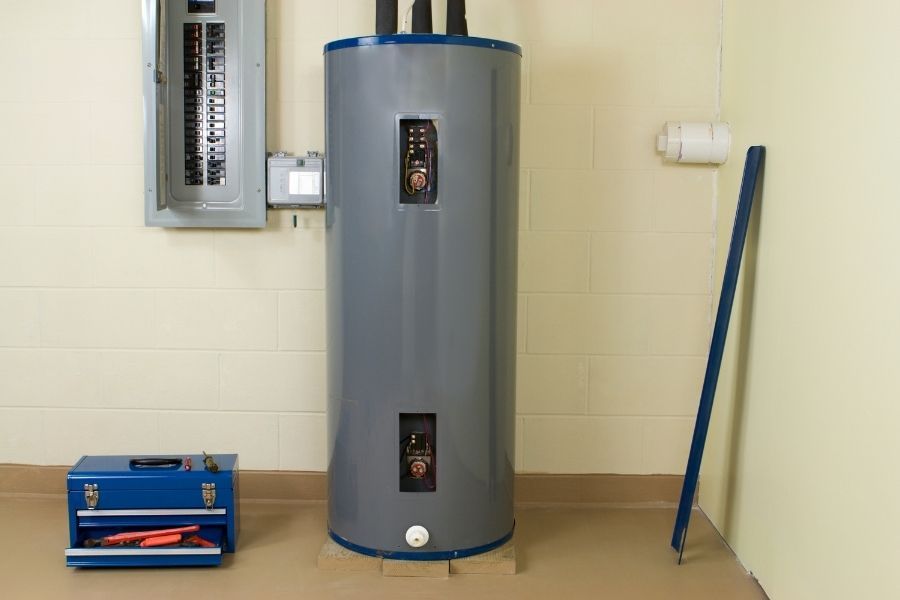
Regular water heater inspections can prevent costly holiday disasters
Why December Demands Extra Water Heater Attention
Think about what happens in your home during December. You've got extended family staying over, which means three times the showers. Someone's running the dishwasher after every meal because you're hosting dinner parties. The washing machine is going constantly with all those extra towels and linens. Every single one of these activities pulls hot water from your water heater.
Your water heater wasn't designed for this level of sustained demand. Most residential units are sized for your household's normal daily usage, not for accommodating six extra people for a week. When you push it beyond its capacity day after day, things start to fail. Heating elements burn out. Pressure relief valves stick. Sediment that's been building up all year suddenly becomes a problem.
Here in Central Florida, we have an additional factor to consider. Our water contains minerals that accumulate inside the tank over time. When your water heater is working overtime, these mineral deposits can break loose, clog valves, and create weak spots in the tank lining. That's when leaks start, usually at the absolute worst possible moment.
🚨 Schedule Your Free Consultation Today
Don't wait for a water heater disaster to ruin your holidays. Our team at Florida Fire & Flood offers expert inspections and emergency response when you need it most. We're available 24/7 because water damage doesn't wait for convenient hours.
Contact Us NowWarning Signs Your Water Heater Needs Immediate Attention
Your water heater usually gives you plenty of warning before it completely fails. The trick is knowing what to look for. We recommend checking these warning signs right now, before your holiday guests arrive.
Strange Noises That Mean Trouble
Water heaters shouldn't sound like they're staging a percussion concert. If you hear popping, rumbling, or banging sounds, that's sediment buildup affecting the heating process. As water gets trapped under the sediment layer, it boils and pops, creating those noises. Left unchecked, this can lead to tank failure and significant water damage in your home.
Water Quality Changes
Rusty or discolored water coming from your hot water taps is a major red flag. This usually indicates corrosion inside the tank, which means the steel is breaking down. Once corrosion starts, it's only a matter of time before you have a leak. Metallic-tasting water or water with visible particles means your tank is deteriorating from the inside out.
Moisture or Pooling Water
Any water around your water heater is an emergency waiting to happen. Even small amounts of moisture can indicate a slow leak that will eventually become a flood. Check the floor around your water heater, inspect all connections and fittings, and look at the tank itself for any signs of wetness or mineral buildup, which can indicate weeping.
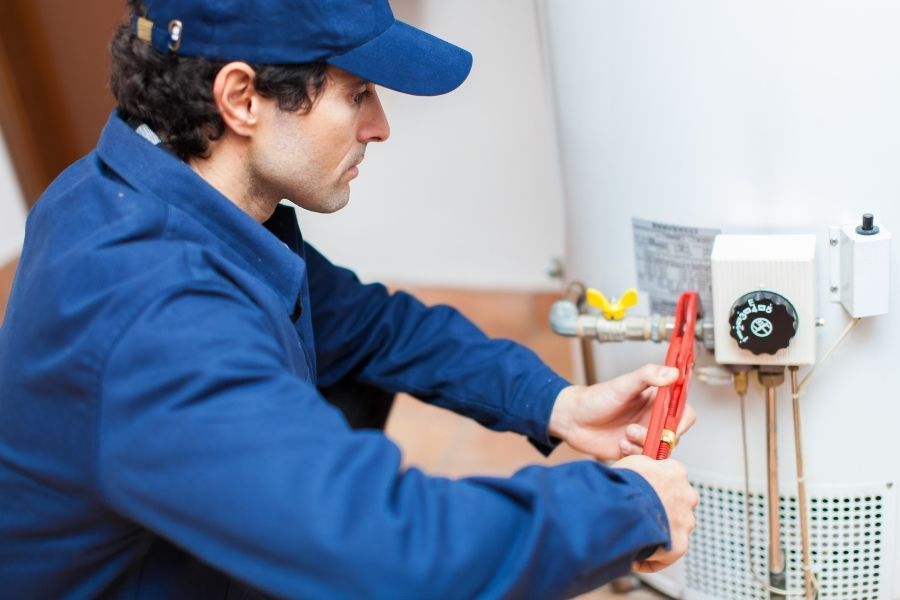
Professional maintenance can extend your water heater's lifespan and prevent failures
Essential Water Heater Maintenance Checklist
Here's your December pre-holiday water heater maintenance routine. Set aside about an hour to run through these checks, and you'll significantly reduce your risk of a holiday water damage emergency.
Monthly Maintenance Tasks
| Task | What to Do |
|---|---|
| Temperature Check | Verify thermostat is set to 120°F. Higher temperatures waste energy and increase scalding risk. |
| Pressure Relief Valve Test | Lift the lever briefly to ensure water flows freely. A stuck valve means dangerous pressure buildup. |
| Visual Inspection | Look for rust, corrosion, moisture, or any signs of leakage around the tank and connections. |
| Drain Valve Check | Make sure the drain valve isn't leaking. Tighten if needed, but don't overtighten. |
| Clear Area Around Unit | Remove stored items. You need clear access for inspection and emergency shutoff if needed. |
Flushing Your Water Heater
This is the single most important maintenance task you can do, especially before high-usage periods. Flushing removes sediment buildup that reduces efficiency and damages your tank. If you haven't flushed your water heater in the last year, do it before December ends.
Connect a garden hose to the drain valve, run it outside or to a floor drain, and open the valve to let water and sediment flow out. You'll want to drain several gallons until the water runs clear. According to the Department of Energy's water heater efficiency guidelines, regular maintenance like flushing significantly extends equipment lifespan and maintains optimal performance. For detailed guidance on preventing plumbing issues that lead to water damage, regular maintenance is key.
Anode Rod Inspection
The anode rod is your water heater's sacrificial component. It corrodes so your tank doesn't have to. Most homeowners have never seen their anode rod, but it should be checked every 2-3 years. If it's more than 50% depleted, it needs replacement. Without a functioning anode rod, your tank will corrode from the inside, leading to leaks and eventual failure.
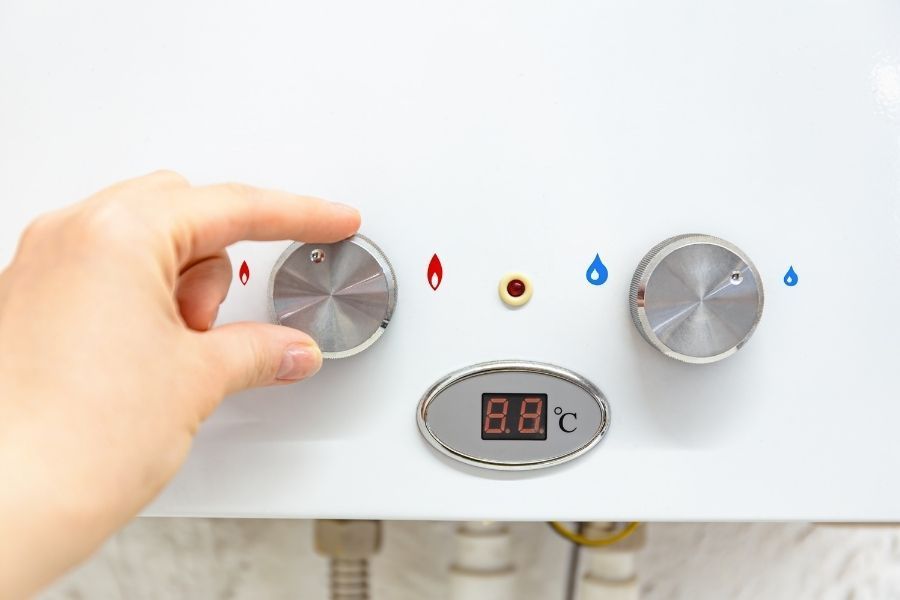
Proper temperature settings balance safety, efficiency, and performance
Managing Holiday Guest Load
So you've done your maintenance, but you're still concerned about the extra demand from holiday guests. Smart thinking. Here's how to manage your water heater during high-usage periods without pushing it to failure.
Stagger Water Usage
This sounds obvious, but it makes a huge difference. Space out showers instead of having everyone shower back-to-back in the morning. Run the dishwasher at night when hot water demand is lower. Do laundry during times when people aren't cooking or bathing. Your water heater needs recovery time between heavy draws.
Adjust Usage Expectations
Let your guests know they might need to keep showers a bit shorter than usual. Most people understand when you explain you're managing capacity. Consider using cold water for laundry when possible. Small adjustments across multiple people add up to significant relief for your water heater.
Monitor Performance Daily
During high-demand periods, check your water heater daily. Listen for unusual sounds. Feel for hot spots on the tank exterior, which shouldn't be warm to the touch. Watch for any moisture or drips. Catching a problem early means you can address it before it becomes a flood.
Know Your Water Heater's Capacity
A typical 40-gallon water heater provides enough hot water for about 2-3 people for normal daily use. If you're hosting 6-8 people for the holidays, you're asking your water heater to do double or triple duty. Understanding this helps you manage expectations and usage patterns.
Emergency Preparedness Tips
Even with perfect maintenance, water heaters can fail. The difference between minor inconvenience and major disaster often comes down to how quickly you can respond. Here's what you need to know.
Know Your Shutoff Locations
Every adult in your household should know where the water heater shutoff valve is located and how to use it. You should also know where your main water shutoff is. In an emergency, seconds count. If you have a gas water heater, everyone should know how to shut off the gas supply too.
Keep Emergency Numbers Handy
Save our number right now: (352) 644-7969. We provide 24/7 emergency response for water damage situations throughout Central Florida. When a water heater fails, you need help fast. Our average response time is within one hour, and we can start mitigation immediately to minimize damage.
Document Everything
Keep your water heater's installation date, warranty information, and maintenance records in an easily accessible place. If you need to file an insurance claim for water damage, this documentation is crucial. Take photos of your water heater and utility area now, while everything is working properly. These "before" photos can be valuable if you ever need to demonstrate damage.
Understanding how plumbing failures occur helps you recognize warning signs before they become emergencies. Water heaters follow similar failure patterns to other plumbing components.
Have a Response Plan
If your water heater starts leaking, here's what to do immediately. First, shut off the water supply to the water heater. Second, turn off power to the unit at the breaker box or gas supply if applicable. Third, start removing items from the affected area. Fourth, call us for emergency water damage restoration. The faster you act, the less damage you'll sustain.
Our team at Florida Fire & Flood follows the IICRC S500 Standard for Professional Water Damage Restoration, ensuring that every restoration project meets nationally recognized best practices for safety and effectiveness.
Frequently Asked Questions
How often should I flush my water heater in Central Florida?
Due to our mineral-rich water, we recommend flushing your water heater at least twice per year, with one of those times being right before the holiday season. If you notice sediment buildup or decreased performance, you may need to flush it more frequently. The minerals in Florida water accelerate sediment accumulation compared to other regions.
What's the average lifespan of a water heater in Florida?
Traditional tank water heaters typically last 8-12 years in Florida, though this varies based on water quality, usage patterns, and maintenance. Our mineral-heavy water tends to reduce lifespan compared to the national average of 10-15 years. If your water heater is approaching the 8-year mark, start planning for replacement before it fails during the worst possible time.
Can a failing water heater cause mold growth?
Absolutely. Water heater leaks often go unnoticed for days or weeks, especially if the unit is in a garage or utility room you don't visit frequently. Even small, slow leaks create the perfect environment for mold growth. Florida's humidity makes this problem worse. If you've had any water heater issues, consider having professional mold inspection and remediation to protect your home and health.
Should I replace my water heater before it fails?
If your water heater is showing signs of age, making unusual noises, producing rusty water, or is past the 10-year mark, proactive replacement can save you from water damage headaches. Replacing a water heater on your schedule is far better than dealing with an emergency failure during the holidays. Plus, newer models are significantly more energy-efficient, which can offset replacement costs over time through lower utility bills.
Don't Let Water Heater Problems Ruin Your Holidays
December should be about celebrating with family, not dealing with water damage restoration. Take an hour this week to inspect your water heater, perform basic maintenance, and make sure you're prepared for the extra demand coming your way. A little attention now prevents major problems later.
Remember, our team at Florida Fire & Flood is here to help whether you need preventive advice or emergency response. We're locally owned, IICRC certified, and available 24/7 throughout Central Florida. We handle everything from initial appliance-related water damage cleanup to complete reconstruction, and we work directly with insurance companies so you don't have to play middleman.
Serving Tavares, Mount Dora, The Villages, Orlando, and surrounding areas in Lake, Sumter, and Marion Counties, we're your neighbors and your restoration partners. Whether you need guidance on identifying plumbing risks in your home or emergency help at 3 AM on Christmas morning, we're ready to respond.
Have questions about water heater maintenance or concerned about potential water damage? Contact us today for your free consultation. We'd rather help you prevent problems than fix them, though we're ready to do either whenever you need us.

Randy Lazarus
About The Author:
Randy Lazarus is the owner of Florida Fire & Flood, a locally owned and family-operated restoration company serving Central Florida communities since 2021. Leading a team of IICRC-certified technicians, Randy has built a reputation for providing 24/7 emergency response and compassionate service to homeowners and businesses facing water damage, fire damage, and mold emergencies. As a member of the Central Florida community, Randy understands the unique challenges property owners face in the region and is dedicated to helping his neighbors restore their properties and get back to normal life.
Read More:

Firefighting water soaks floors, walls, and ceilings far past the burn zone. Learn why extraction and drying must run alongside fire and smoke cleanup.
Foundation water intrusion in Ocala starts with clay soil. Learn the warning signs, how it differs from a plumbing leak, and when it is time to call us.
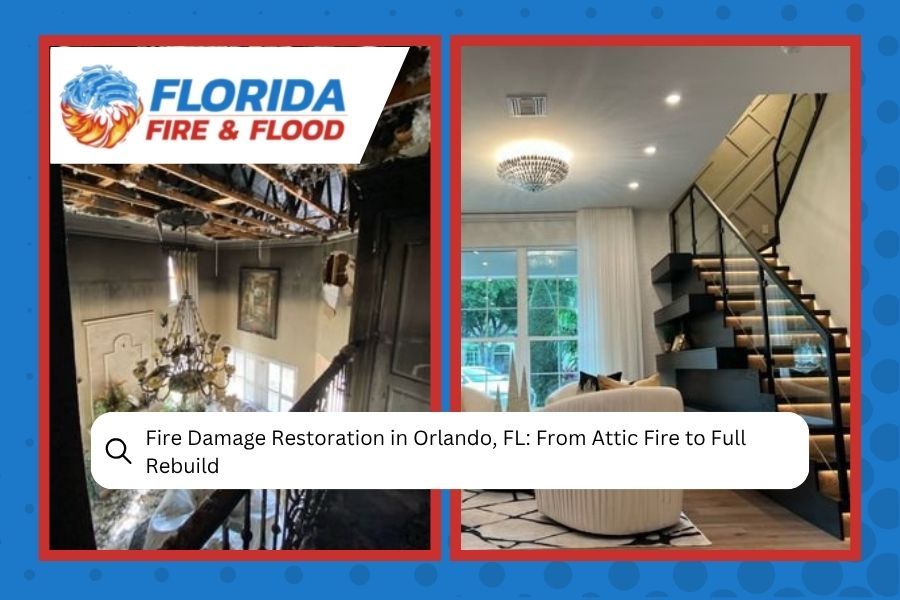
An attic fire took out the top floor of this Orlando home. See how our team rebuilt it, from the first tarp on the roof to finished kitchen and baths.
Soot damage cleanup after a house fire: learn what our IICRC certified team can save and what to replace, from textiles to electronics. Free consultation.
Hiring a water damage restoration company? Ask these 5 smart questions about certification, insurance, response time, gear, and repairs before you sign.
High water pressure damages pipes in Eustis homes. Learn the safe PSI range, regulator warning signs, and how to catch hidden leaks before they spread.