

AMRT - Applied Microbial Technician I, (Mold Remediation)

How to Prevent Mold and Mildew in Your Florida Home
March 11, 2024
Randy Lazarus
Living in the Sunshine State comes with its perks, but it also brings challenges like humidity and moisture, which can lead to mold and mildew growth in your home. Mold removal in Florida is a common concern for homeowners. However, the good news is that with the right knowledge and preventive measures, you can keep your home mold-free. In this blog post, we'll discuss effective strategies on how to prevent mold and mildew from taking hold in your Florida residence. But, if you need a company dealing with mold removal Florida, we have a recommendation for you!
Mold and Mildew in Your Home
Mold and mildew are types of fungi that grow in damp, warm environments. They can spread on various surfaces, including walls, ceilings, floors, and even furniture. In Florida, where humidity levels can be high, mold and mildew growth are particularly common, especially in areas with poor ventilation or water leaks. Knowing the types of mold, such as black mold, is critical to preventing the potential mold health risks from water damage.
Mold
Recognizing the early signs of mold growth is important for fast intervention and prevention. Common indicators include musty odors, visible mold spots on walls, ceilings, or floors, and discoloration or warping of surfaces. You may also notice early signs of black mold on ceilings, especially in rooms with high moisture levels and an increase in allergy symptoms such as sneezing, and coughing when spending time indoors. In addition, peeling or bubbling paint and persistent moisture or condensation on windows can signal underlying moisture issues prone to mold growth. Being attentive to these signs enables you to tackle potential mold problems as soon as possible, minimizing the need for extensive remediation efforts down the line.
Mildew
Signs of mildew closely resemble those of mold, as both grow in damp environments. Mildew often manifests as powdery or downy white, gray, or yellowish patches on surfaces such as walls, ceilings, or fabrics. It may also appear as a fuzzy growth on damp organic materials like paper, cardboard, or upholstery. Like mold, mildew releases a musty odor and can cause respiratory irritation or worsen allergy symptoms in sensitive individuals. Besides, mildew-affected areas may feel clammy to the touch, indicating excess moisture prone to fungal growth. Identifying and handling mildew quickly is essential to prevent its spread and minimize potential damage to your home and health.
How to Stop Mold in Houses of Florida: Steps
Mold removal in Florida is a common concern for homeowners, given the state's high humidity levels and warm climate. Below, we'll outline essential steps you can take to prevent mold growth throughout your house. From controlling humidity to fixing leaks and improving ventilation, these preventive measures can help you maintain a healthy indoor environment for you and your family.
- Control Humidity: Use a dehumidifier to keep humidity levels below 60% in your home, especially during hot and humid months. Also, ensure proper ventilation in bathrooms, kitchens, and other moisture-prone areas.
- Fix Leaks Quickly: Inspect your plumbing regularly for leaks and fix them as soon as possible. Even small leaks can lead to moisture buildup, creating an ideal environment for mold growth.
- Improve Air Circulation: Increase air circulation in your home by using fans and opening windows whenever possible. This helps to reduce moisture levels and prevent stagnant air, which can contribute to mold growth.
- Use Mold-Resistant Products: When renovating or building, consider using mold-resistant materials such as mold-resistant drywall, paint, and insulation. These products are designed to inhibit mold growth and can help prevent future issues.
- Clean and Dry Wet Areas: Immediately clean and dry any spills or wet areas in your home, including carpets, walls, and floors. Mold can start to grow within 24-48 hours in moist conditions, so it's essential to tackle any spills or leaks quickly.
Read About - Water Damage vs Mold Growth
How to Prevent Mold in Basements: Steps
Basements are often prone to moisture issues, making them ideal breeding grounds for mold and mildew. Whether your basement is finished or unfinished, taking steps to prevent mold growth is crucial for maintaining a safe and healthy living space. Below, we'll explore specific strategies tailored to basement environments.
- Ensure Proper Drainage: Keep gutters clean and ensure downspouts direct water away from your home's foundation. Proper drainage helps to prevent water from seeping into your basement, reducing the risk of mold growth.
- Seal Foundation Cracks: Inspect your basement for any cracks or gaps in the foundation and seal them to prevent water seepage. This not only helps to keep your basement dry but also reduces the likelihood of mold and mildew growth.
- Use a Basement Dehumidifier: Basements are often prone to high humidity levels because of their underground location. Using a dehumidifier can help to control moisture levels and prevent mold growth in your basement.
- Install Ventilation Fans: If your basement lacks proper ventilation, consider installing exhaust fans to improve air circulation and reduce humidity. Ventilation fans help to remove moist air from the basement, minimizing the risk of mold and mildew.
Is Prevention Key to Mold and Mildew Growth?
Absolutely! Making sure mold and mildew don't grow in your Florida home is important. It's all about stopping them before they even have a chance to start. By taking simple actions like fixing leaks and controlling humidity levels, you can make it hard for mold and mildew to grow. These steps might seem small, but they're effective in keeping your home clean and safe.
Think of it like this: imagine you have a leaky faucet in your kitchen. If you don't fix it, water keeps dripping onto the floor, making it wet all the time. And where there's water, mold, and mildew can start to grow. But if you fix that leak right away, there's no more water dripping, and mold and mildew won't have a chance to take hold.
Reach Out to Florida Fire & Flood
Don't wait until mold becomes a problem; take action now to protect your home against mold and mildew growth. If you are not sure how to tackle the task of mold and mildew removal,
Florida Fire & Flood can become your loyal ally! Our team is IICRC-certified, insured, and available 24/7 for any emergency needs and free inspection. Yours is just to call us at (352) 503-0902 or
submit an online form on our website.

Randy Lazarus
About The Author:
Randy Lazarus is the owner of Florida Fire & Flood, a locally owned and family-operated restoration company serving Central Florida communities since 2021. Leading a team of IICRC-certified technicians, Randy has built a reputation for providing 24/7 emergency response and compassionate service to homeowners and businesses facing water damage, fire damage, and mold emergencies. As a member of the Central Florida community, Randy understands the unique challenges property owners face in the region and is dedicated to helping his neighbors restore their properties and get back to normal life.
Read More:

Firefighting water soaks floors, walls, and ceilings far past the burn zone. Learn why extraction and drying must run alongside fire and smoke cleanup.
Foundation water intrusion in Ocala starts with clay soil. Learn the warning signs, how it differs from a plumbing leak, and when it is time to call us.

An attic fire took out the top floor of this Orlando home. See how our team rebuilt it, from the first tarp on the roof to finished kitchen and baths.
Soot damage cleanup after a house fire: learn what our IICRC certified team can save and what to replace, from textiles to electronics. Free consultation.
Hiring a water damage restoration company? Ask these 5 smart questions about certification, insurance, response time, gear, and repairs before you sign.
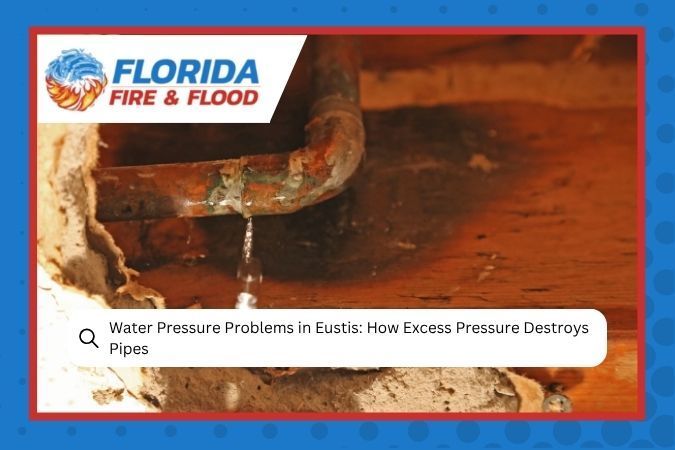
High water pressure damages pipes in Eustis homes. Learn the safe PSI range, regulator warning signs, and how to catch hidden leaks before they spread.