

AMRT - Applied Microbial Technician I, (Mold Remediation)
Insurance Adjuster Coordination During Claims
February 24, 2026
Randy Lazarus
When water floods your kitchen at 2 a.m. or fire tears through your garage, the last thing you want is to become an expert in insurance claims. Yet suddenly you're supposed to know exactly what an adjuster needs and how to document everything properly. At Florida Fire & Flood, our team handles water damage restoration alongside insurance coordination every single day. We've walked hundreds of Central Florida homeowners through this process and learned exactly what makes claims move smoothly versus what grinds them to a halt.
Here's the truth: your insurance company isn't your enemy, but they're also not going to hold your hand. The adjuster has dozens of other files on their desk. Making their job easier is the fastest path to getting your claim approved.
What Insurance Adjusters Actually Do During a Damage Claim
Insurance adjusters assess damage, determine coverage, and calculate payouts. That's their entire job in three parts. They're not restoration experts, and they're not trying to deny your claim. They're investigators gathering facts.
Most homeowners only interact with one type, but there are actually three you might encounter:
- Staff adjusters work directly for your insurance company as salaried employees.
- Independent adjusters are contractors hired when claim volumes spike, like after a hurricane.
- Public adjusters work for you, not the insurance company. They charge a percentage but advocate on your behalf.
Understanding which type you're working with helps set expectations. A staff adjuster might be easier to reach for follow up questions. An independent adjuster juggling storm damage across three counties might take longer to respond.

Insurance adjusters review documentation, photos, and repair estimates to determine your claim value.
The Claims Timeline Every Central Florida Homeowner Should Expect
Most water and fire damage claims follow a predictable timeline. Knowing what to expect helps you stay ahead rather than constantly playing catch up.
Insurance Claim Timeline
1
Day 1:
File your claim immediately. Most policies require notification within 24 to 48 hours.
2
Days 2 to 5:
Adjuster assigned. You'll receive contact information and initial instructions.
3
Days 5 to 14:
On site inspection. The adjuster visits your property to assess damage.
4
Days 14 to 30:
Estimate review. Your restoration company's estimate is compared against theirs.
5
Days 30 to 45:
Settlement issued minus your deductible.
These timelines can stretch during hurricane season. When thousands of claims hit simultaneously, adjusters get backlogged. That's when having organized documentation becomes even more critical.
Dealing With Water or Fire Damage Right Now?
Our team at Florida Fire & Flood works directly with insurance companies every day. We document everything, communicate with adjusters on your behalf, and make sure nothing falls through the cracks.
Get Your Free ConsultationDocumentation That Speeds Up Your Insurance Claim
Adjusters make decisions based on evidence. The more complete your documentation, the faster your claim moves. According to FEMA's flood recovery guidelines, detailed documentation is the single most important factor in successful claims.
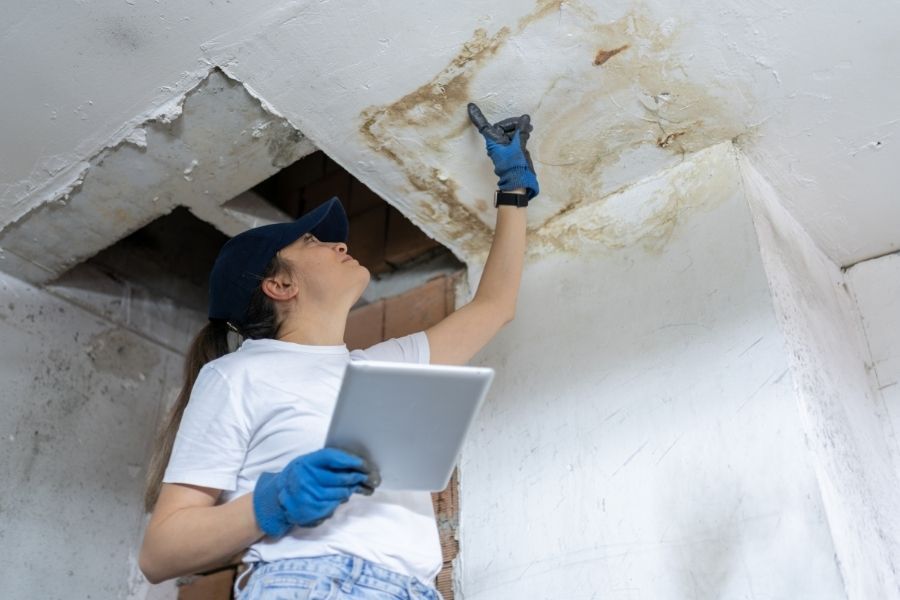
Thorough photo documentation of damage helps adjusters process claims faster.
Essential Documentation Checklist
Photos taken before cleanup begins carry the most weight. Once water gets extracted and materials start coming out, visual evidence of severity can be lost. Snap those pictures first, then start mitigation.
How Your Restoration Company Coordinates With Insurance Adjusters
Experienced fire damage restoration and water damage companies communicate directly with adjusters every day. At Florida Fire & Flood, we use the same estimating software (Xactimate) that adjusters use, which eliminates translation problems between our assessment and theirs.
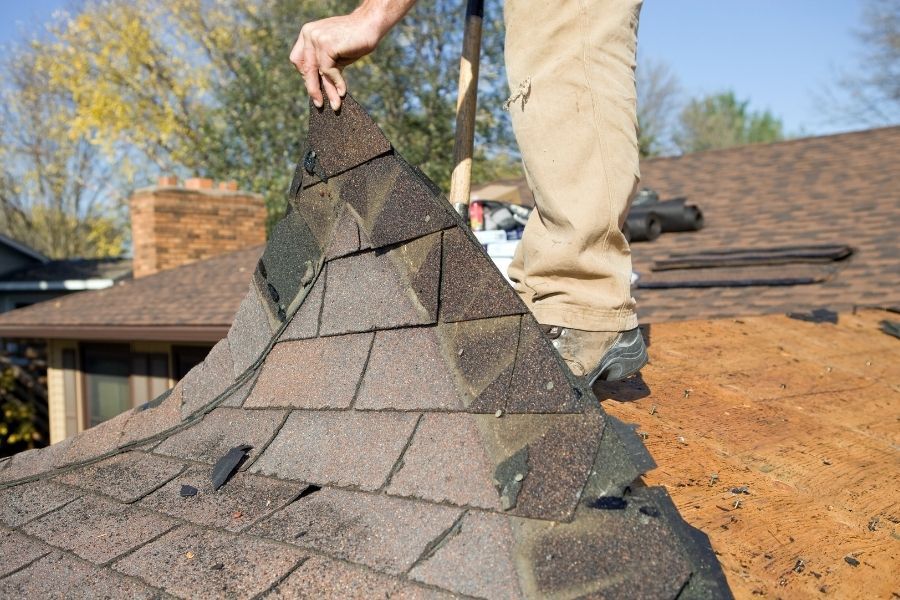
Proper documentation helps restoration companies and adjusters align on repair scope.
When you hire a restoration company that works regularly with insurance, they handle much of the coordination burden. That means less back and forth for you and fewer forms to puzzle over.
| Task | Without Restoration Partner | With Florida Fire & Flood |
|---|---|---|
| Creating damage estimates | You coordinate multiple contractors | We provide Xactimate estimates directly |
| Scheduling adjuster visits | You manage all scheduling | We coordinate with adjuster availability |
| Explaining technical damage | You describe what happened | Our IICRC certified team explains |
| Disputing estimates | You negotiate alone | We provide supporting documentation |
We've seen claims that should take 30 days stretch to 90 when homeowners navigate alone. Not because they did anything wrong, but because insurance processes move faster when everyone speaks the same professional language. Want to understand what happens after calling your insurance company? Our guide on when to contact insurance after flooding walks through those crucial first steps.
Mistakes That Slow Down Insurance Claims
After coordinating hundreds of claims across Lake County, Sumter County, Orlando, and surrounding Central Florida communities, we've seen certain patterns emerge:
- Waiting too long to file. Some policies have strict notification windows. File immediately.
- Throwing away damaged items before documenting. The Ready.gov flood recovery guide recommends keeping materials until the adjuster approves disposal.
- Making permanent repairs before approval. Emergency mitigation is expected. Reconstruction should wait.
- Missing adjuster calls and appointments. Adjusters move to the next file when they can't reach you.
Your policy likely requires you to mitigate further damage. That means extracting water, drying the structure, and preventing mold growth. Skipping these steps while waiting for approval can actually hurt your claim. Understanding what your policy covers helps too. Check out our breakdown of Florida homeowner insurance and water damage coverage.
What Happens When You Disagree With the Adjuster's Assessment
Sometimes the initial estimate comes in lower than expected. Don't panic. Review the estimate line by line and look for items that might have been missed. Your restoration company can help identify discrepancies. Submit a detailed supplement request with photos, moisture readings, and written explanations.
Let Our Team Handle the Insurance Coordination
At Florida Fire & Flood, we work with insurance companies daily. Our IICRC certified technicians document everything properly, communicate directly with adjusters, and keep your claim moving forward.
Contact Us for Your Free ConsultationFrequently Asked Questions About Insurance Adjuster Coordination
How long does an insurance adjuster have to respond in Florida?
Florida law requires insurance companies to acknowledge your claim within 14 days and begin their investigation within 10 days after that. The entire process typically takes 30 to 90 days depending on complexity. Major weather events can extend timelines due to adjuster backlogs.
Can I start restoration work before the insurance adjuster visits?
Yes, and you should. Your policy requires you to mitigate further damage, which means extracting water and preventing mold growth. Document everything with photos and video before starting. Keep damaged materials until the adjuster approves disposal. Avoid permanent reconstruction until your claim is approved.
Should I hire a public adjuster for my water damage claim?
Public adjusters can help with complex or disputed claims but aren't necessary for most straightforward water damage situations. They typically charge 10 to 15 percent of your settlement. Working with an experienced restoration company that coordinates with insurance daily often provides similar advocacy without additional cost.
What if the adjuster's estimate doesn't cover full repair costs?
Request a supplement with detailed documentation showing why additional work is necessary. Include photos, moisture readings, and line item comparisons from your restoration company. Adjusters frequently revise estimates when presented with proper documentation. If disagreements persist, request reinspection or escalate to a supervisor.

Randy Lazarus
About The Author:
Randy Lazarus is the owner of Florida Fire & Flood, a locally owned and family-operated restoration company serving Central Florida communities since 2021. Leading a team of IICRC-certified technicians, Randy has built a reputation for providing 24/7 emergency response and compassionate service to homeowners and businesses facing water damage, fire damage, and mold emergencies. As a member of the Central Florida community, Randy understands the unique challenges property owners face in the region and is dedicated to helping his neighbors restore their properties and get back to normal life.
Read More:
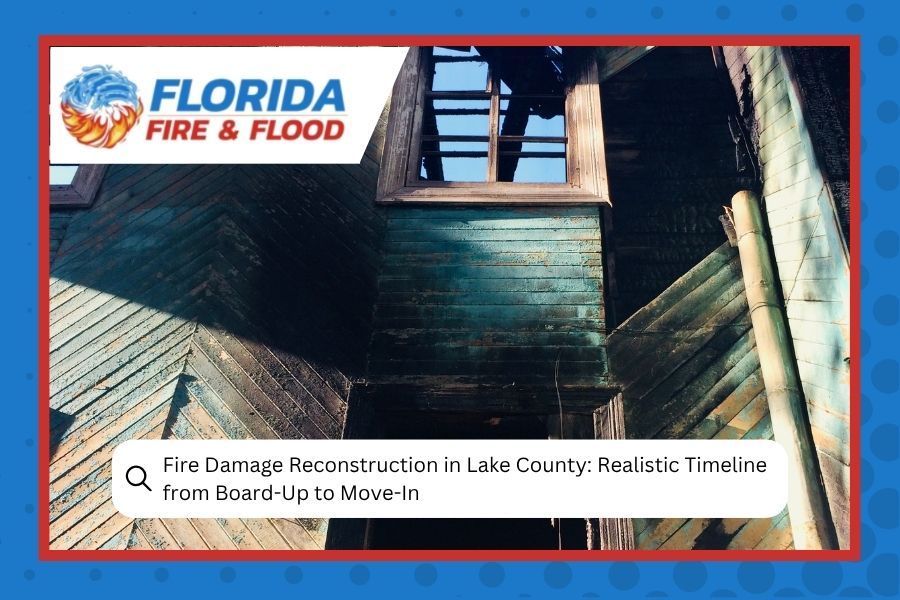
See the fire damage reconstruction timeline Lake County homeowners can expect, from board-up to move-in, plus the permit and insurance delays to plan for.

Firefighting water soaks floors, walls, and ceilings far past the burn zone. Learn why extraction and drying must run alongside fire and smoke cleanup.
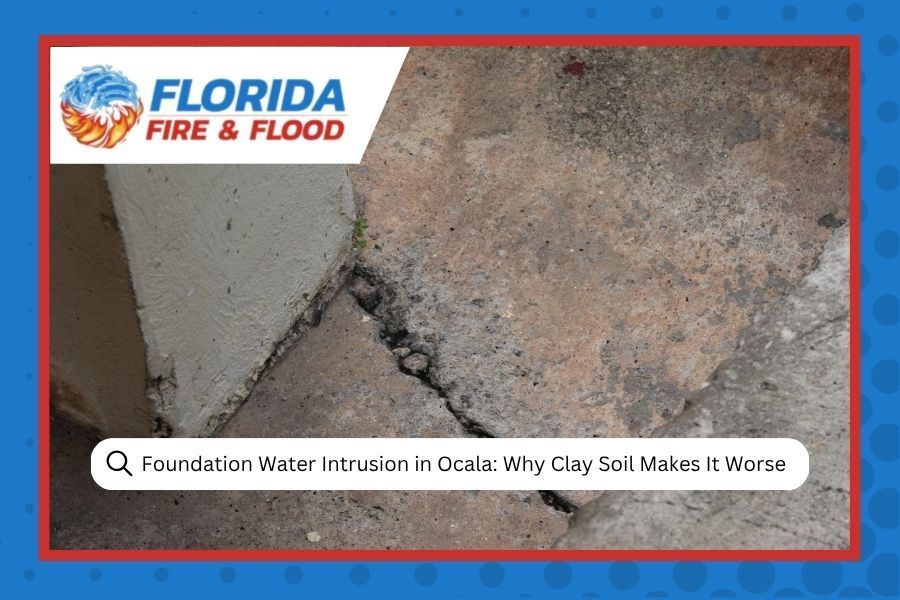
Foundation water intrusion in Ocala starts with clay soil. Learn the warning signs, how it differs from a plumbing leak, and when it is time to call us.
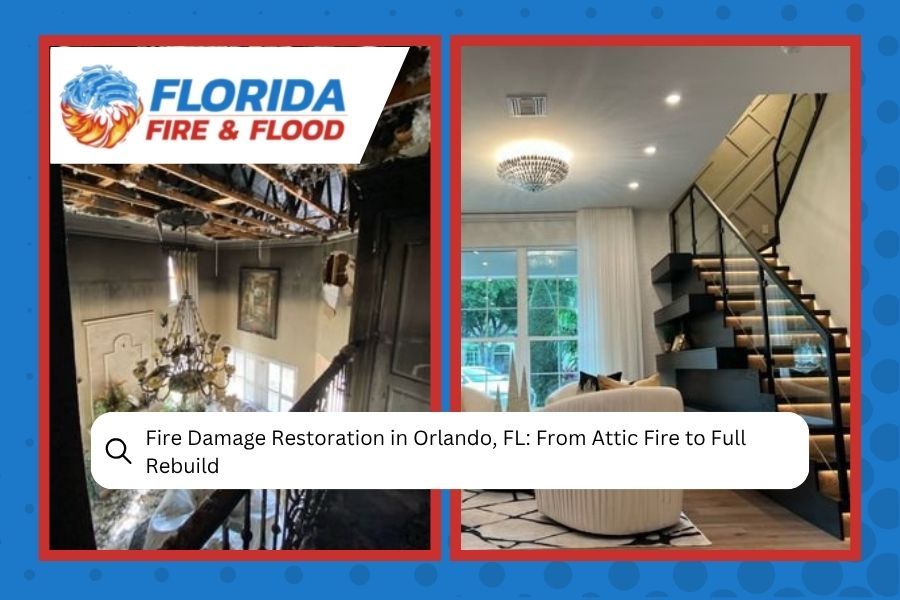
An attic fire took out the top floor of this Orlando home. See how our team rebuilt it, from the first tarp on the roof to finished kitchen and baths.
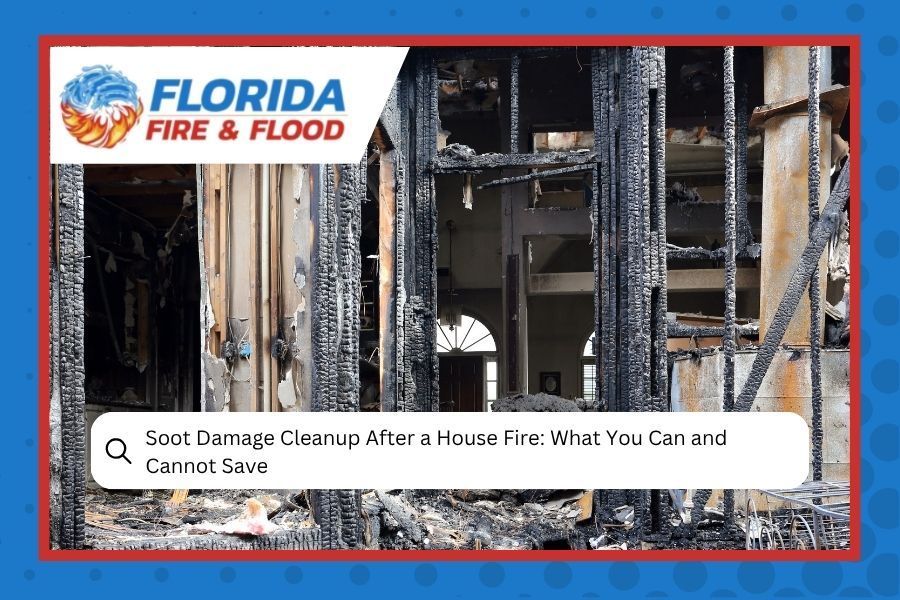
Soot damage cleanup after a house fire: learn what our IICRC certified team can save and what to replace, from textiles to electronics. Free consultation.
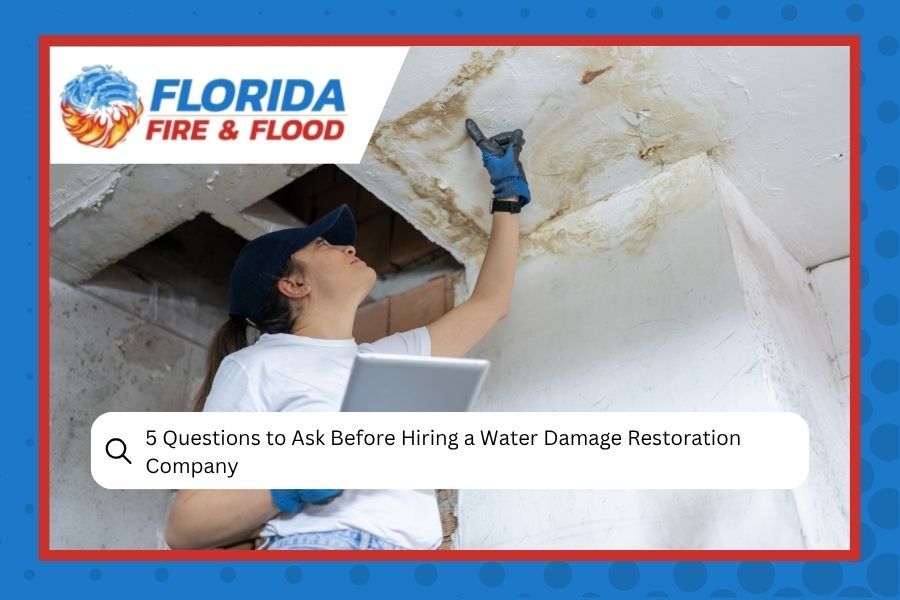
Hiring a water damage restoration company? Ask these 5 smart questions about certification, insurance, response time, gear, and repairs before you sign.