
AMRT - Applied Microbial Technician I, (Mold Remediation)
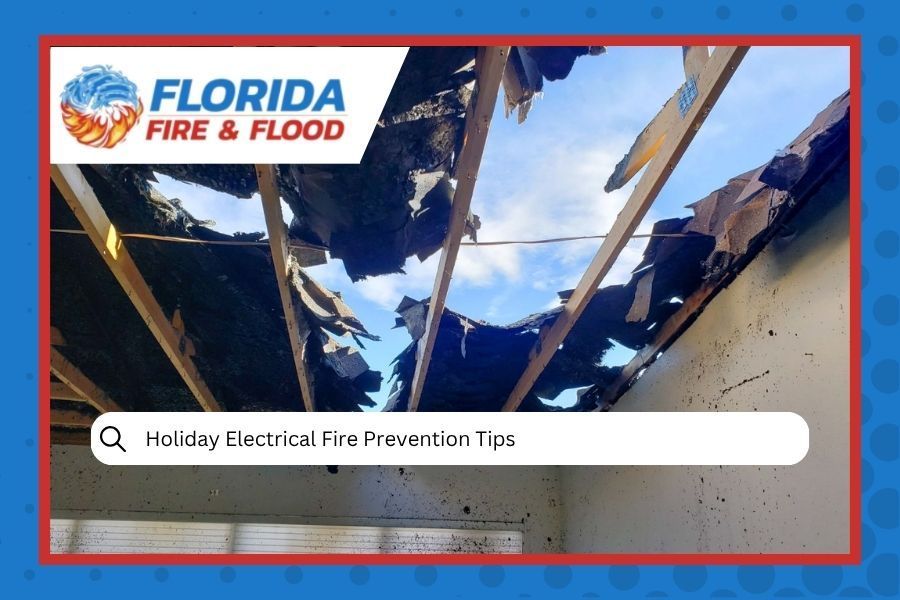
Holiday Electrical Fire Prevention Tips
December 2, 2025
Randy Lazarus
Jump To:
- Why Electrical Fires Spike During the Holidays
- Common Holiday Electrical Fire Hazards
- Your Holiday Electrical Safety Checklist
- Extension Cord and Power Strip Safety
- Christmas Tree Lighting Best Practices
- Outdoor Decoration Safety Tips
- Warning Signs of Electrical Problems
- What to Do If an Electrical Fire Starts
- Frequently Asked Questions
The holidays are here, and if you're like most Central Florida homeowners, you're probably stringing up lights, plugging in inflatable yard decorations, and powering up that artificial tree. It's a magical time of year, but it's also when our electrical systems get pushed to their limits. Every December, we see a spike in calls for fire damage restoration services, and many of these emergencies could have been prevented with a few simple precautions.
Your home's electrical system wasn't designed to handle the seasonal load we throw at it. Between decorative lighting, space heaters, kitchen appliances working overtime, and all those phone chargers for visiting family, we're asking a lot from our circuits. Understanding how to safely manage your electrical usage during the holidays isn't just about avoiding blown fuses, it's about protecting your home and family.
Why Electrical Fires Spike During the Holidays
According to the National Fire Protection Association, December sees more home fires than any other month. While cooking fires lead the pack, electrical fires come in as a close second. The combination of aging electrical infrastructure in many Florida homes, increased electrical loads, and decorations that aren't always well-maintained creates a perfect storm of fire risk.
We've responded to too many holiday emergencies over the years at Florida Fire & Flood. Sometimes it's faulty lights on a tree. Other times it's an overloaded outlet that sparked and ignited nearby curtains. Last year, a family's outdoor extension cord had been damaged by their lawnmower, and the exposed wiring finally gave out under the strain of their light display. Thankfully, everyone was okay, but their garage needed significant restoration work.
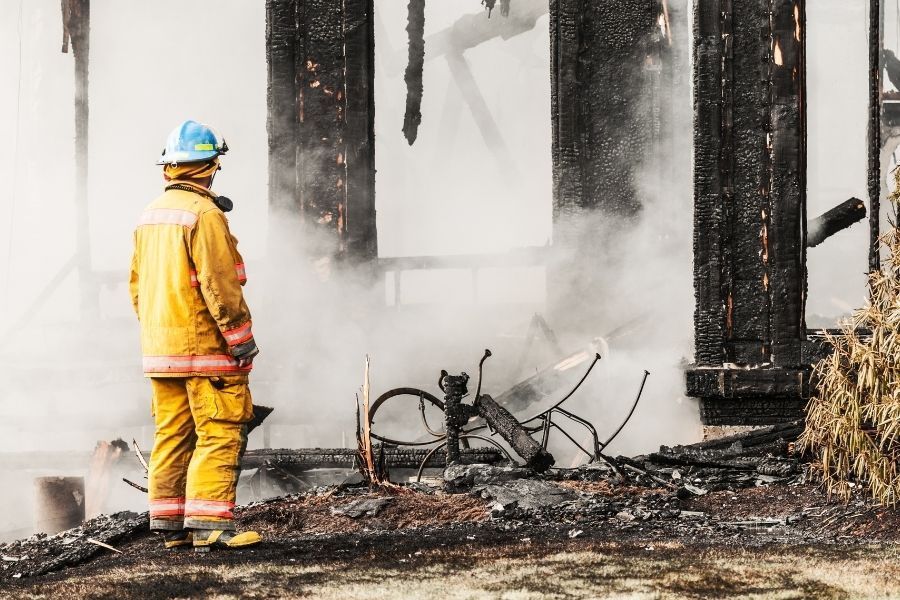
Even small electrical fires can cause extensive structural damage requiring professional restoration
Common Holiday Electrical Fire Hazards
Overloaded Circuits and Outlets
That innocent-looking wall outlet can only handle so much current before things get dangerous. When you daisy-chain power strips together or plug too many high-wattage items into a single circuit, the wiring heats up. A good rule: if an outlet or power strip feels warm to the touch, you've crossed into dangerous territory. Many Central Florida homes were built decades ago when our electrical demands were simpler. Adding modern loads without updating the system is asking for trouble.
Damaged or Worn Light Strings
Those Christmas lights you've been storing in the garage since 2010? They might look fine at first glance, but Florida's heat and humidity do a number on electrical components over time. Frayed wires, cracked sockets, and loose bulbs all create opportunities for shorts and sparks. Before you hang a single strand, inspect every inch of your lights.
Indoor Lights Used Outdoors
Indoor-rated lights aren't built to handle weather exposure, and a sudden Central Florida rainstorm can create serious hazards when water meets electricity. Always check the packaging, outdoor lights will be clearly labeled as weather-resistant.
Need Fire Damage Restoration?
Our team at Florida Fire & Flood responds 24/7 to fire emergencies across Central Florida. We handle everything from smoke damage to complete reconstruction.
Get Your Free ConsultationCall us anytime: (352) 644-7969
Your Holiday Electrical Safety Checklist
| Safety Task | Why It Matters | Priority |
|---|---|---|
| Inspect all light strings before use | Damaged wiring causes shorts and sparks | HIGH |
| Check outlet and power strip temperatures | Heat indicates dangerous overload | HIGH |
| Use outdoor-rated equipment outside | Weather exposure creates shock and fire risk | HIGH |
| Replace bulbs with correct wattage only | Higher wattage generates excess heat | MEDIUM |
| Turn off decorations when leaving home | Unattended electrical items pose maximum risk | HIGH |
| Keep fresh trees watered daily | Dry trees ignite in seconds | HIGH |
| Use surge protectors, not basic power strips | Surge protectors prevent overload damage | MEDIUM |
Extension Cord and Power Strip Safety
Extension cords are meant for temporary use only. If you're using the same extension cord in the same spot year after year, have an electrician install a proper outlet there. Never daisy-chain extension cords or power strips together. Each connection point adds resistance and heat, multiplying your fire risk.
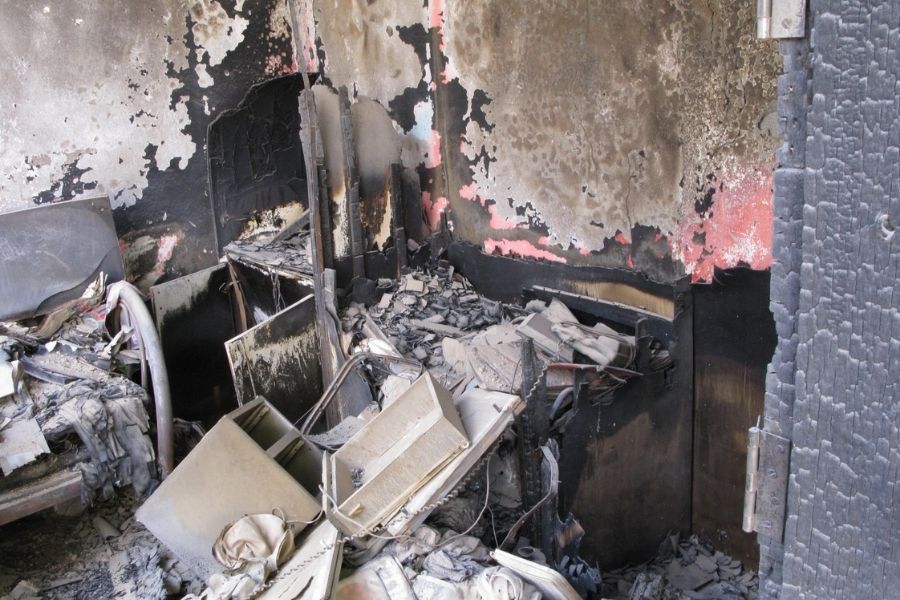
Electrical fires spread quickly, causing both fire and heavy smoke damage throughout your home
Pay attention to gauge ratings on extension cords. Lower numbers mean thicker wire that can handle more current. For outdoor holiday lights, you want a 12 or 14-gauge cord at minimum. Those thin indoor extension cords aren't suitable for anything beyond a few low-wattage decorations.
Christmas Tree Lighting Best Practices
If you go with a real tree, the single most important thing you can do is keep it watered. A dry Christmas tree can go from spark to full inferno in under 30 seconds. Check the water level daily, and if the tree is drinking less water or dropping lots of needles, it's time to retire it.
For artificial trees, pre-lit varieties are convenient, but the built-in lights can't be easily inspected or replaced. If even one section of lights stops working, it might indicate internal wiring problems that could lead to overheating.
LED lights run cooler, use less electricity, and last longer than traditional incandescent bulbs. Your circuits will thank you when they're not struggling under the load of hundreds of hot incandescent bulbs.
Outdoor Decoration Safety Tips
Florida's weather is generally mild during the holidays, but our occasional thunderstorms and high humidity create unique challenges for outdoor electrical safety. Always use Ground Fault Circuit Interrupter (GFCI) outlets for outdoor decorations. These specialized outlets detect electrical imbalances and shut off power instantly if water gets into the system.
When hanging outdoor lights, use insulated hooks and clips designed for the purpose. Staples, nails, and other metal fasteners can damage wire insulation and create short circuits. Keep connections off the ground where possible, and make sure any plugs are protected from standing water.
Warning Signs of Electrical Problems
Your home will often give you warning signs before a full-blown electrical fire breaks out:
- Flickering or dimming lights: Suggests your circuit is overloaded or there's a loose connection.
- Buzzing sounds from outlets: Electricity should be silent. Shut off power to that circuit immediately.
- Warm or discolored outlets: Heat and scorching require immediate attention.
- Burning smell: Trust your nose. Start unplugging things and locate the source.
- Circuit breakers that trip repeatedly: Your breaker is doing its job. Reduce your load instead of resetting it.
If you notice any of these warning signs, turn off the affected circuits, unplug decorations in that area, and contact a qualified electrician. It's better to miss out on some twinkling lights than to risk a house fire.
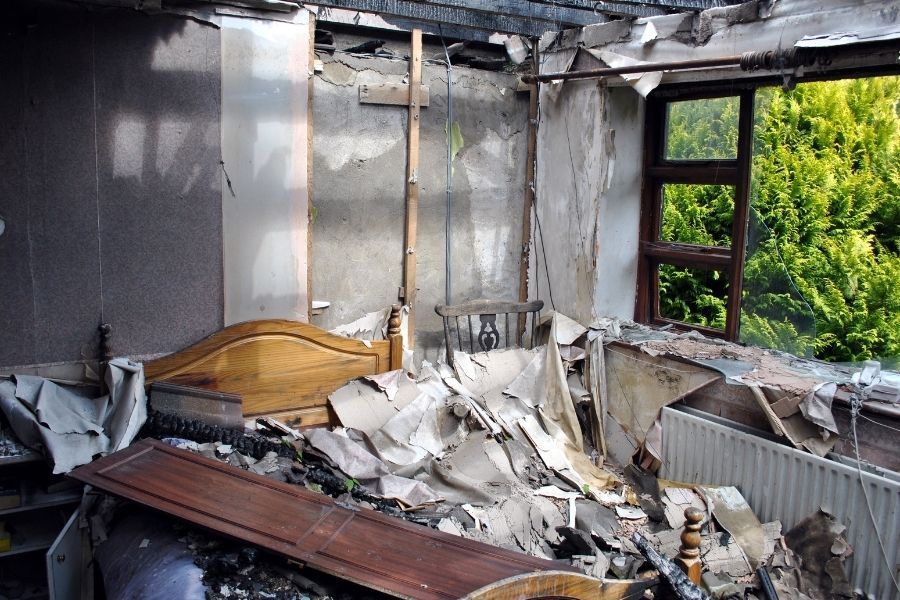
Structural damage from electrical fires often extends far beyond the fire's origin point
What to Do If an Electrical Fire Starts
Never use water on an electrical fire. Water conducts electricity and can spread the fire or cause electrocution. If the fire is small and you have a Class C fire extinguisher, aim at the base of the flames and sweep side to side. If there's any doubt about your ability to safely fight the fire, get everyone out immediately and call 911.
After the fire department has cleared the scene, you'll need professional fire damage restoration services. Even small electrical fires create extensive smoke and soot damage. Our team at Florida Fire & Flood works with insurance companies daily to help Tavares homeowners restore their properties after fire damage.
Holiday Electrical Safety Quick Reference
DO:
- Use LED lights when possible
- Check all cords and lights before use
- Turn off decorations when away
- Use GFCI outlets outdoors
- Keep trees watered daily
- Spread electrical load across circuits
DON'T:
- Daisy-chain extension cords
- Use indoor lights outside
- Ignore warning signs
- Overload outlets or circuits
- Use damaged lights or cords
- Leave decorations on overnight
Frequently Asked Questions
How many amps can I safely draw from a standard household outlet?
Most standard outlets are rated for 15 amps, but don't exceed 12 amps (80% of capacity) to stay safe.
Is it safe to leave Christmas lights on all night?
No, always turn off decorative lighting when you go to bed or leave the house, even with LED lights.
What's the difference between a power strip and a surge protector?
Power strips just extend outlets, while surge protectors include circuitry that shuts down if dangerous conditions are detected.
What should I do if my circuit breaker keeps tripping with holiday decorations plugged in?
Unplug some decorations and spread them across different circuits, don't keep resetting a tripping breaker as it indicates overload.
The holidays should be a time of joy, not emergency restoration work. By following these electrical safety guidelines and staying alert to warning signs, you can keep your Central Florida home safe while still enjoying beautiful decorations. If the worst does happen and you experience fire damage, remember that our team at Florida Fire & Flood is available 24/7. We'll work directly with your insurance company to restore your home quickly and professionally. For more holiday safety tips, check out our guide on kitchen fire prevention during holiday cooking.
Stay safe this season, and if you ever need us, we're just a phone call away at (352) 644-7969. According to the National Fire Protection Association, electrical fires account for an estimated average of 32,620 home fires annually in the United States. Taking these precautions seriously could keep your home out of those statistics.

Randy Lazarus
About The Author:
Randy Lazarus is the owner of Florida Fire & Flood, a locally owned and family-operated restoration company serving Central Florida communities since 2021. Leading a team of IICRC-certified technicians, Randy has built a reputation for providing 24/7 emergency response and compassionate service to homeowners and businesses facing water damage, fire damage, and mold emergencies. As a member of the Central Florida community, Randy understands the unique challenges property owners face in the region and is dedicated to helping his neighbors restore their properties and get back to normal life.
Read More:
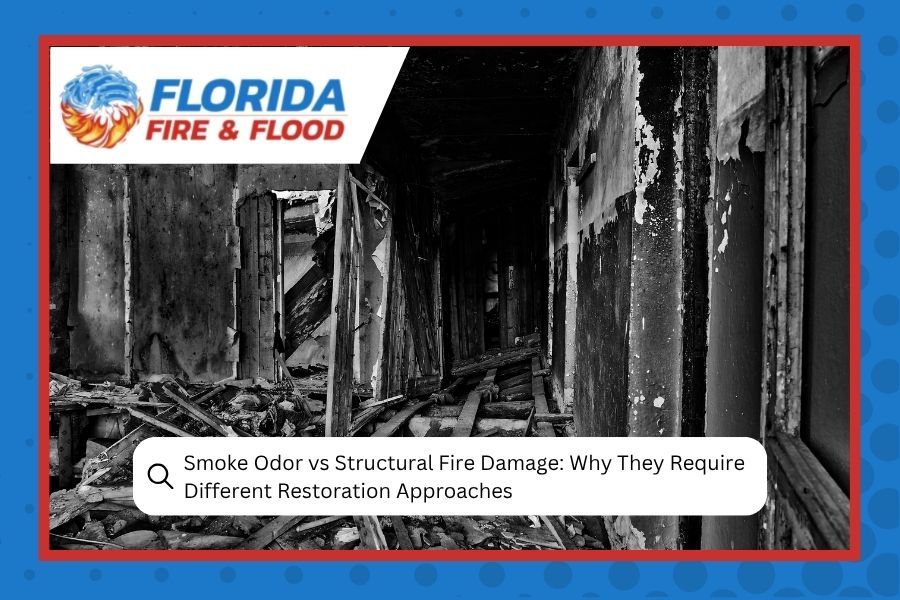
Smoke odor removal vs fire damage restoration explained: why odor and structural damage need different methods, timelines, and claims in Central Florida.
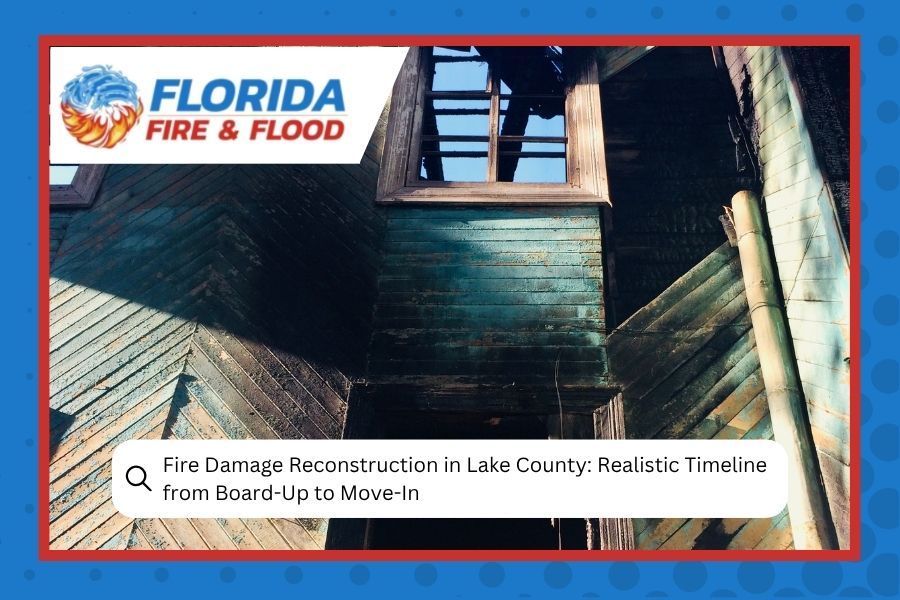
See the fire damage reconstruction timeline Lake County homeowners can expect, from board-up to move-in, plus the permit and insurance delays to plan for.

Firefighting water soaks floors, walls, and ceilings far past the burn zone. Learn why extraction and drying must run alongside fire and smoke cleanup.
Foundation water intrusion in Ocala starts with clay soil. Learn the warning signs, how it differs from a plumbing leak, and when it is time to call us.
An attic fire took out the top floor of this Orlando home. See how our team rebuilt it, from the first tarp on the roof to finished kitchen and baths.
Soot damage cleanup after a house fire: learn what our IICRC certified team can save and what to replace, from textiles to electronics. Free consultation.