

AMRT - Applied Microbial Technician I, (Mold Remediation)

Garbage Disposal Leaks in The Villages: Warning Signs and When to Call a Pro
May 7, 2026
Randy Lazarus
Jump To:
A garbage disposal leak in The Villages can go from a few drips to a full cabinet flood in a single weekend away. Here at Florida Fire & Flood, we're IICRC-certified in water damage restoration and mold remediation. We see plenty of Villages kitchens where a small drip soaked the cabinet base and subfloor before anyone noticed. Catching it early is the difference between a quick fix and a claim.
This guide covers six warning signs specific to Villages kitchens. You'll get a safe DIY check and the point where it's time to call professional water damage restoration instead of grabbing a bucket.
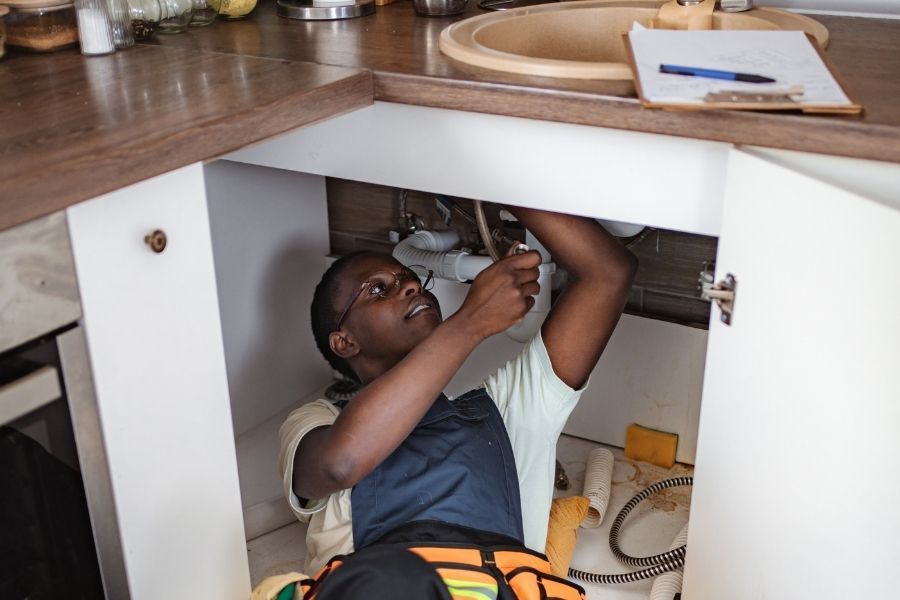
When a homeowner inspection turns up an active leak, this is the kind of close-up assessment our team handles next.
Why Disposal Leaks Hit Villages Homes Harder
Most homes in The Villages share an open floor plan and a slab foundation. That means a kitchen leak spreads fast and has nowhere good to go. Water from under the sink runs along the slab, wicks into cabinet kickplates, and finds its way under the flooring. What starts as a cup of water can warp flooring three rooms away within days.
The other piece is climate. Central Florida humidity stays high all year. Moisture trapped in a cabinet base doesn't dry on its own. That sets up mold growth from slow, hidden leaks.
Six Warning Signs of a Leaking Disposal
Disposals almost always warn you before they fail. The signs show up in predictable spots. The six below are the ones we see over and over in Villages kitchens. Spot one, and treat it as a cue to investigate right then.
1. Cabinet Bottom Staining
Dark rings, buckled particleboard, or a spongy feel when you press down means water's been sitting there. Staining tells you a leak is happening intermittently, usually when the disposal runs.
2. Musty Smell Under the Sink
A sour, earthy smell is your nose catching mold before your eyes do. The EPA's guide on mold and moisture notes that mold can start growing in 24 to 48 hours once a surface stays wet. If the smell lingers after you dry things out, you've got more than a simple drip.
3. Drip Tray or Pan Overflow
If your home has a drip tray and you find standing water, food particles, or rust residue, the disposal body is leaking from the bottom seam. That's usually a replacement, not a repair.
4. Flange Seal Failure at the Sink
Run water with the disposal off and watch where the disposal meets the sink basin. Drips here mean the flange seal has given out. This one's sneaky. Water runs down the side and pools at the back of the cabinet where you don't usually look.
5. Dishwasher Connection Leaks
Most disposals tie into the dishwasher drain. Run a cycle and check the small hose at the disposal's side port. A loose clamp dumps dirty dishwater into the cabinet every load, which is how a lot of appliance-related water damage starts.
6. Vibration-Loosened Pipe Joints
Older disposals vibrate more as motor mounts wear out. That shakes the slip-nut connections on the P-trap loose. You get small weeping leaks. Tap each joint; if it moves, tighten it, and if it keeps loosening, the disposal needs to go.
Already seeing water damage under your sink?
Our team is available 24/7 across The Villages and Central Florida.
Schedule a Free Consultation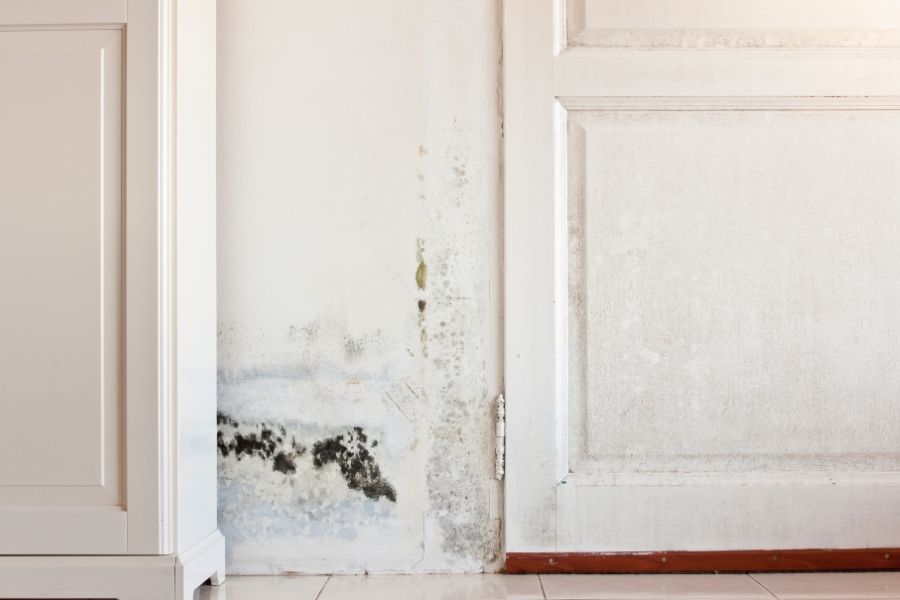
Hidden moisture from a slow disposal leak can fuel mold growth on the cabinet walls behind your sink within a couple of weeks.
DIY Inspection: How to Check Under Your Sink
A full disposal check takes about ten minutes with a flashlight, a dry paper towel, and your phone camera. Do this monthly and you'll catch most leaks before they do real damage. Don't skip the dishwasher cycle step, since that's where a lot of slow leaks hide.
Monthly Disposal Inspection Checklist
- Clear out the cabinet so you can see the whole floor.
- Shine a flashlight at the base, looking for stains, warping, or dampness.
- Wipe a dry paper towel along every pipe joint and check for wet spots.
- Run cold water, turn the disposal on, and watch for drips at the flange and bottom housing.
- Run a short dishwasher cycle and watch the drain hose and clamp.
- Snap a phone photo to compare next month.
If everything's dry and nothing smells off, you're good. If you find something, hand-tighten the obvious slip-nuts, re-check the next day, and move to the next section if the leak keeps coming back.
When to Stop and Call a Professional
The line is simple: if water has soaked into something that isn't plumbing, stop and call us. The IICRC S500 water damage standard we follow treats wet cabinet bases, subfloors, and drywall as contaminated once they've been wet for more than 24 hours.
| Situation | Who Handles It |
|---|---|
| Dry cabinet, loose slip-nut, small drip | DIY tighten |
| Cabinet base soft, warped, or stained | Call a pro |
| Musty smell that doesn't clear after drying | Call a pro (possible mold) |
| Water reached flooring outside the cabinet | Call a pro immediately |
| Leak returns after tightening everything | Replace disposal or call a plumber |
Once water reaches the flooring or drywall, you may need mold remediation on top of drying. Our team serves The Villages and surrounding Central Florida around the clock. We work directly with your insurance so you're not chasing adjusters while your kitchen sits wet. More reading: Dealing with Water Damage Under the Sink.
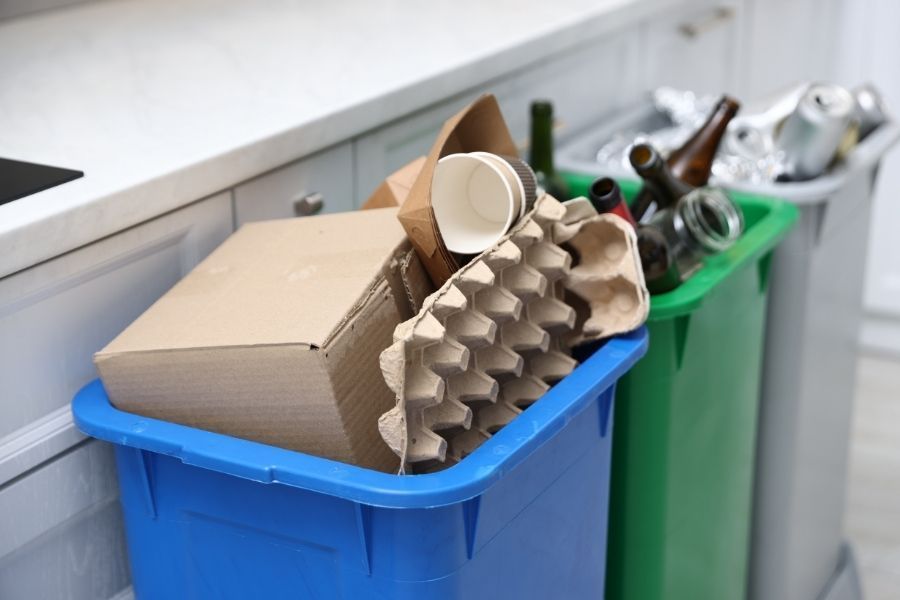
Many homeowners in The Villages keep a recycling bin nearby to keep harder food scraps and packaging out of the disposal entirely.
Frequently Asked Questions
How long can a small disposal leak go before it causes real damage?
In Central Florida humidity, you've got 24 to 48 hours before a wet cabinet base starts growing mold, and a few days before particleboard swells. Catching it inside a day is a clean dry-out; waiting a week often means cabinet replacement.
Does homeowners insurance cover garbage disposal leaks?
Most Florida policies cover sudden damage from an appliance failure. They usually exclude slow, long-term leaks you should have caught during normal maintenance. Take photos the day you find the leak. That helps a lot with claims.
Can I keep using my disposal if I see a small drip?
If the drip's from a slip-nut you can tighten, you can keep using it once the drip stops. If it's coming from the bottom of the disposal unit itself, stop using it and replace the unit. Running a leaking disposal just moves water faster.
Is the smell under my sink mold or just a dirty disposal?
A dirty disposal smells like old food, usually fixable with ice, salt, and citrus peels. Mold smells sour and musty and stays strong even after cleaning. If cleaning doesn't fix it in a day, have the cabinet checked.

Randy Lazarus
About The Author:
Randy Lazarus is the owner of Florida Fire & Flood, a locally owned and family-operated restoration company serving Central Florida communities since 2021. Leading a team of IICRC-certified technicians, Randy has built a reputation for providing 24/7 emergency response and compassionate service to homeowners and businesses facing water damage, fire damage, and mold emergencies. As a member of the Central Florida community, Randy understands the unique challenges property owners face in the region and is dedicated to helping his neighbors restore their properties and get back to normal life.
Read More:

Firefighting water soaks floors, walls, and ceilings far past the burn zone. Learn why extraction and drying must run alongside fire and smoke cleanup.
Foundation water intrusion in Ocala starts with clay soil. Learn the warning signs, how it differs from a plumbing leak, and when it is time to call us.

An attic fire took out the top floor of this Orlando home. See how our team rebuilt it, from the first tarp on the roof to finished kitchen and baths.
Soot damage cleanup after a house fire: learn what our IICRC certified team can save and what to replace, from textiles to electronics. Free consultation.
Hiring a water damage restoration company? Ask these 5 smart questions about certification, insurance, response time, gear, and repairs before you sign.
High water pressure damages pipes in Eustis homes. Learn the safe PSI range, regulator warning signs, and how to catch hidden leaks before they spread.