

AMRT - Applied Microbial Technician I, (Mold Remediation)
Professional vs DIY Restoration: Making the Right Choice
March 24, 2026
Randy Lazarus
Jump To:
There's a moment after water hits your floor, or smoke fills a room, where your brain starts doing math. How bad is this? Can I handle it myself? Those are fair questions, and there's no one-size-fits-all answer. Sometimes a mop and a box fan will genuinely do the trick. Other times, what looks like a small problem is hiding something much bigger behind the drywall, something that'll grow worse every day you wait. The key is knowing the difference, because getting it wrong can cost you thousands. Our IICRC-certified team at Florida Fire & Flood handles water damage restoration across Central Florida every week, and we've seen both sides. Let's walk through when DIY makes sense, when it doesn't, and how to make the right call.
When DIY Restoration Might Work
Not every water incident needs a crew. Small spills and surface-level issues can often be managed on your own, as long as you act fast and know what you're dealing with.
"Small" has a specific meaning in restoration. We're talking about clean water from a known source, like an overflowing sink or a spilled fish tank, that hasn't sat for more than 24 hours. If it only touched hard, non-porous surfaces like tile or sealed concrete, you're in manageable territory. The key word there is "non-porous." Once water hits carpet, drywall, or wood subflooring, the clock starts ticking.
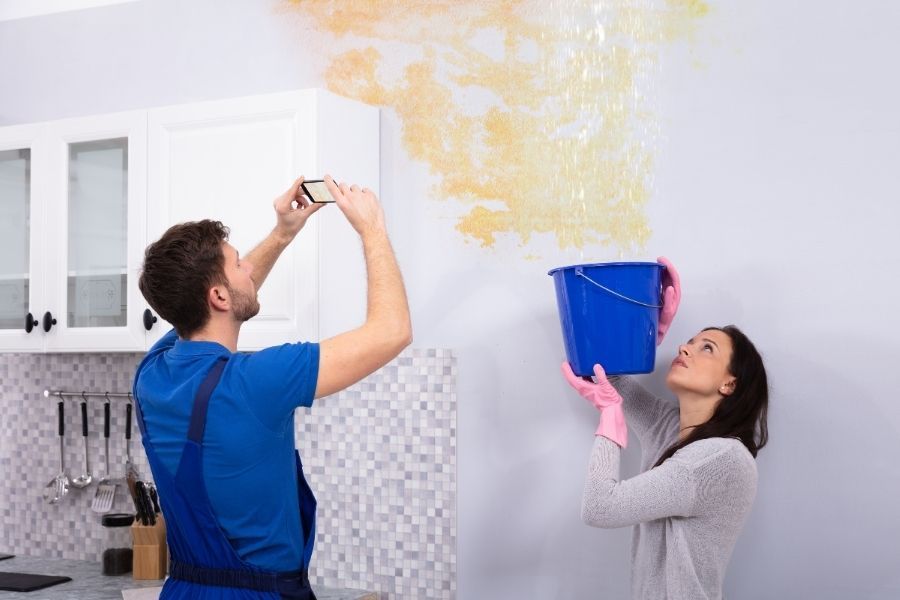
Documenting damage before you start cleaning is smart whether you go DIY or call a pro. Your insurance company will thank you.
A Quick DIY Checklist
- Water source is clean(not sewage or gray water)
- Affected area is small, roughly 10 square feet or less
- Exposure time under 24 hours
- No carpet, drywall, or insulation soaked
- You can fully dry everything within 48 hours
- No visible mold growth
If every box checks out, handle it yourself. Mop up, run fans and dehumidifiers, and watch the area for a few days. The second something doesn't check out, the equation changes.
Not Sure If Your Situation Needs a Pro?
We offer free consultations and can help you figure out exactly what you're dealing with. No pressure, no obligation.
Get a Free ConsultationThe Hidden Risks of Going the DIY Route
Water damage that looks minor on the surface can be a different story behind walls, under floors, and inside ceiling cavities. You might mop up a puddle and think it's solved. Two weeks later, a musty smell. Three weeks later, dark spots on the baseboards.
That's mold. And it spreads fast.
According to the EPA's guide on mold and moisture, mold can grow on damp surfaces within 24 to 48 hours. It just needs moisture, warmth, and an organic material like drywall or wood. Central Florida's humidity makes that timeline even more aggressive. We regularly see homes where a "small" leak under a bathroom vanity turned into full wall cavity mold growth within a week, all because the homeowner thought they had it under control.
There's also what you can't see. A surface might read dry while the wall cavity behind it holds water. Household fans don't create the airflow needed to dry structural materials. Without thermal imaging or professional moisture detection, you're guessing.
⚠ Warning Signs That DIY Cleanup Didn't Finish the Job
Musty Odors
A persistent damp smell after cleaning usually means hidden moisture or early mold.
A persistent damp smell after cleaning usually means hidden moisture or early mold.
Warped Surfaces
Flooring that buckles or paint that bubbles weeks later signals trapped moisture.
Flooring that buckles or paint that bubbles weeks later signals trapped moisture.
Wall Discoloration
Yellow or brown stains indicate water migrating through building materials.
Yellow or brown stains indicate water migrating through building materials.
Allergy Symptoms
New sneezing, coughing, or eye irritation at home can point to airborne mold spores.
New sneezing, coughing, or eye irritation at home can point to airborne mold spores.
We've covered how dampness affects indoor air in our post on winter air quality and indoor mold prevention.
What Professional Restoration Actually Looks Like
Professional restoration isn't "cleanup with better equipment." It follows the IICRC S500 standard, which outlines specific protocols for assessment, extraction, drying, and documentation. These aren't suggestions. They're the benchmark insurance companies use nationwide.
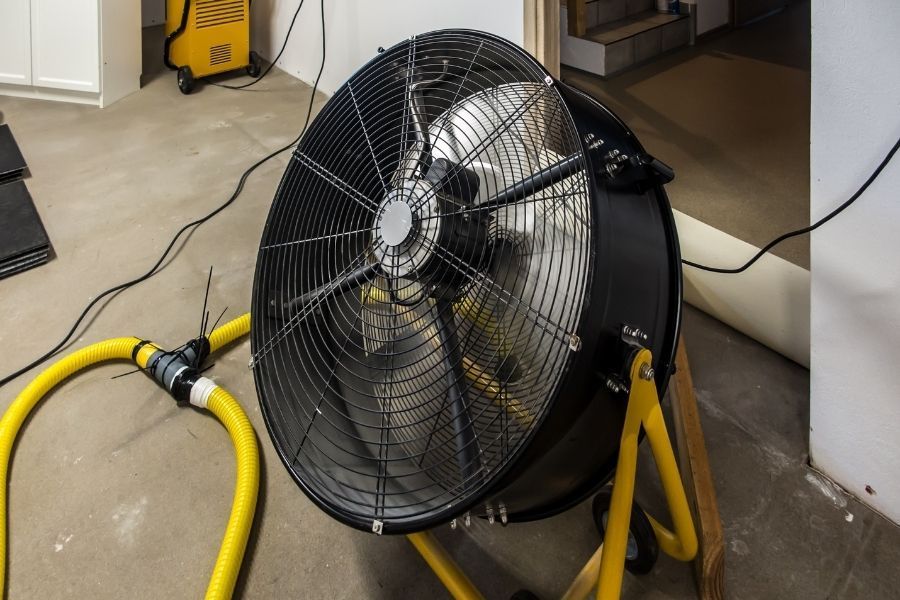
Industrial air movers and dehumidifiers pull moisture from walls, floors, and structural materials, something household fans can't replicate.
When our team arrives, here's the process:
- Full assessment using moisture meters, thermal imaging, and visual inspection to map where water traveled
- Water extraction with commercial pumps that clear standing water faster than any shop vac
- Strategic drying with industrial dehumidifiers and air movers placed based on the damage map
- Daily monitoring with documented moisture readings to confirm proper drying
- Damaged material removal for wet drywall, insulation, or flooring beyond saving
- Antimicrobial treatment to prevent mold where needed
- Full reconstruction to rebuild once everything is dry
That last step matters. Many companies only handle dryout, leaving you to find a separate contractor. We handle fire damage restoration and water damage from start to finish, including the rebuild. One company, one point of contact, no playing middle man between different crews.
There's another benefit most homeowners don't think about until it's too late: documentation. Every step of the professional process generates records, including moisture readings, photos, and Xactimate estimates. That documentation is exactly what insurance adjusters need to process your claim. Without it, you could be paying out of pocket for damage your policy should have covered.
Side-by-Side: DIY vs. Professional Restoration
Sometimes seeing it laid out side by side makes the decision a lot clearer. Here's how DIY and professional approaches compare across the factors that matter most to homeowners.
| Factor | DIY Approach | Professional Restoration |
|---|---|---|
| Equipment | Household fans, towels, rented dehumidifier | Commercial extractors, industrial dehumidifiers, air scrubbers, thermal imaging |
| Drying Time | Days to weeks, often incomplete | Typically 3 to 5 days with verified readings |
| Mold Risk | High, hidden moisture often undetected | Low, moisture mapping prevents growth |
| Insurance | No documentation, claims may be denied | Full documentation with Xactimate estimates |
| Hidden Damage | Limited to visible surfaces | Thermal cameras detect water in walls and floors |
| Long-term Cost | Lower upfront, secondary damage often costs more | Higher upfront, prevents costly damage, often insurance-covered |
When You Should Definitely Call a Professional
Some situations are never DIY territory. If any of these apply, skip the tutorials and make the call.
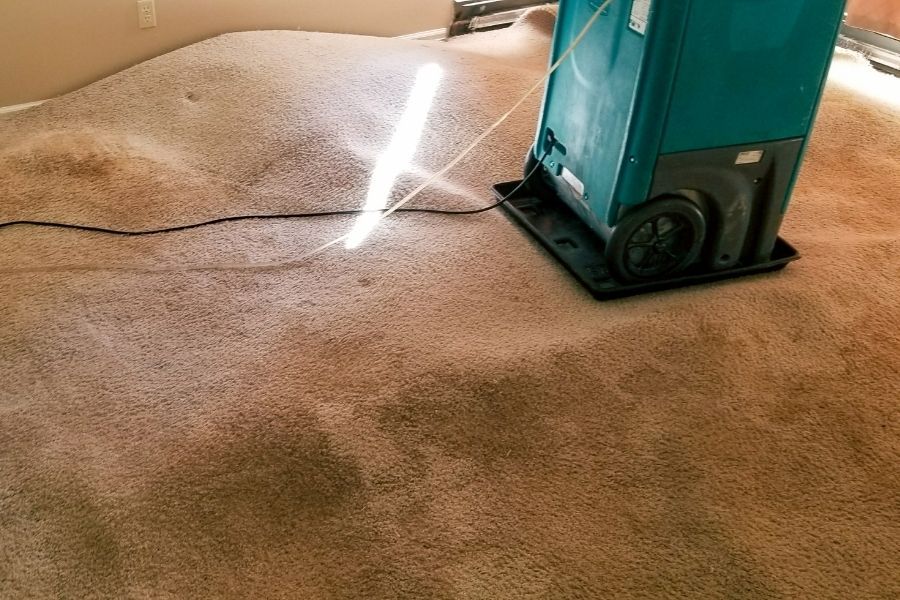
When damage involves contaminated water, structural materials, or fire, professional assessment is the only safe starting point.
Contaminated water. Sewage backups, septic overflows, or outside floodwater are classified as Category 3 (black water). Serious health risks. Professional extraction and disinfection aren't optional.
Fire or smoke damage. Even a small kitchen fire leaves soot and particles embedded deep in materials. Wiping surfaces doesn't cut it. Smoke odor molecules are incredibly small and work their way into fabrics, ductwork, and porous building materials. Proper soot removal and deodorization require specialized equipment, and firefighting efforts almost always cause water damage on top of everything else.
Visible mold. If you spot growth or smell persistent mustiness, call for professional mold remediation. What's visible is almost always a fraction of what's growing behind walls. Florida law requires mold testing be done by a licensed hygienist, and a qualified company will coordinate that.
Water sitting more than 48 hours. The longer it sits, the deeper it penetrates. After 48 hours, secondary damage is almost guaranteed. Our blog on dishwasher leak detection shows how fast appliance leaks escalate.
Insurance is involved. Insurers want documentation: moisture readings, Xactimate estimates, timestamped photos. DIY means no documentation, which can mean a denied claim. We work directly with major carriers so you don't have to play middle man. For more on household water risks, read our guide on washing machine overflow prevention.
Not Sure Where You Stand? We'll Tell You.
Dealing with water, fire, or mold damage in Central Florida? Get an honest assessment from our team. Available 24/7.
Talk to Our TeamFrequently Asked Questions
How do I know if water damage is too severe for DIY cleanup?
If the water source is contaminated, the area is larger than 10 square feet, water has sat for more than 48 hours, or porous materials like drywall and carpet are soaked, you likely need a professional. Visible mold or musty smells are also clear signs.
Will my insurance cover professional restoration but not DIY cleanup?
Insurance companies require documented evidence: moisture readings, damage assessments, and Xactimate estimates. Professional companies provide this. DIY cleanup usually lacks documentation, which can lead to denied claims.
Can I start drying out my home while waiting for a restoration company?
Yes, and it's recommended. Move furniture off wet areas, remove standing water safely, open windows, and run any fans or dehumidifiers you have. Document everything with photos first. This slows secondary damage while professionals are on the way.
What's the biggest risk of DIY restoration in Central Florida specifically?
Mold. Central Florida's humidity means mold can grow on damp surfaces within 24 to 48 hours. Household equipment often can't reach moisture trapped in wall cavities or under flooring, creating ideal conditions for hidden growth that costs far more to fix later.

Randy Lazarus
About The Author:
Randy Lazarus is the owner of Florida Fire & Flood, a locally owned and family-operated restoration company serving Central Florida communities since 2021. Leading a team of IICRC-certified technicians, Randy has built a reputation for providing 24/7 emergency response and compassionate service to homeowners and businesses facing water damage, fire damage, and mold emergencies. As a member of the Central Florida community, Randy understands the unique challenges property owners face in the region and is dedicated to helping his neighbors restore their properties and get back to normal life.
Read More:

Firefighting water soaks floors, walls, and ceilings far past the burn zone. Learn why extraction and drying must run alongside fire and smoke cleanup.
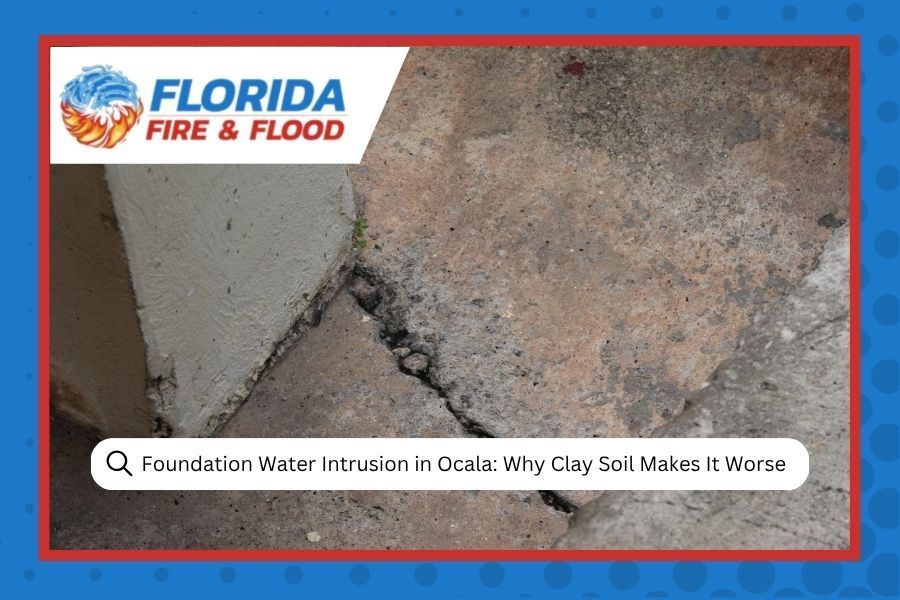
Foundation water intrusion in Ocala starts with clay soil. Learn the warning signs, how it differs from a plumbing leak, and when it is time to call us.
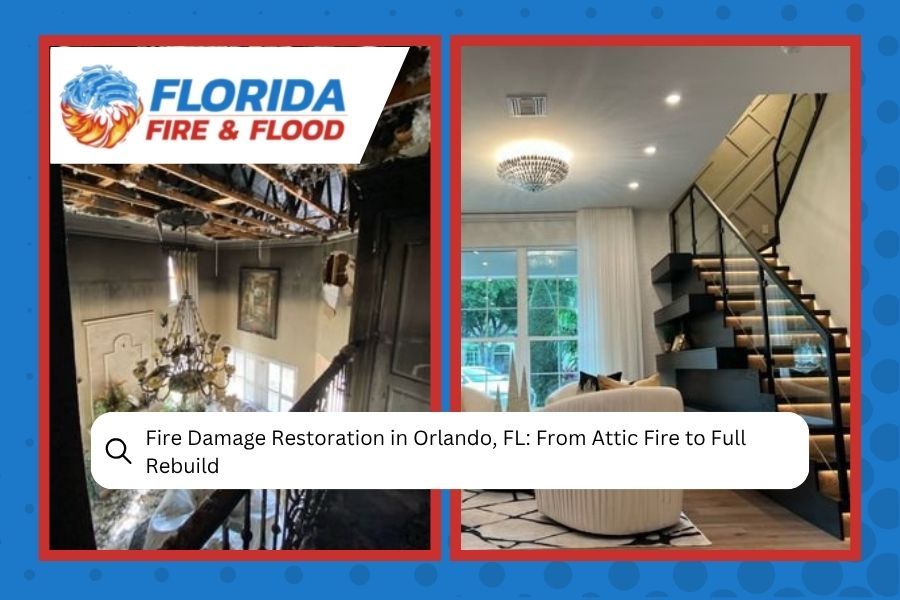
An attic fire took out the top floor of this Orlando home. See how our team rebuilt it, from the first tarp on the roof to finished kitchen and baths.
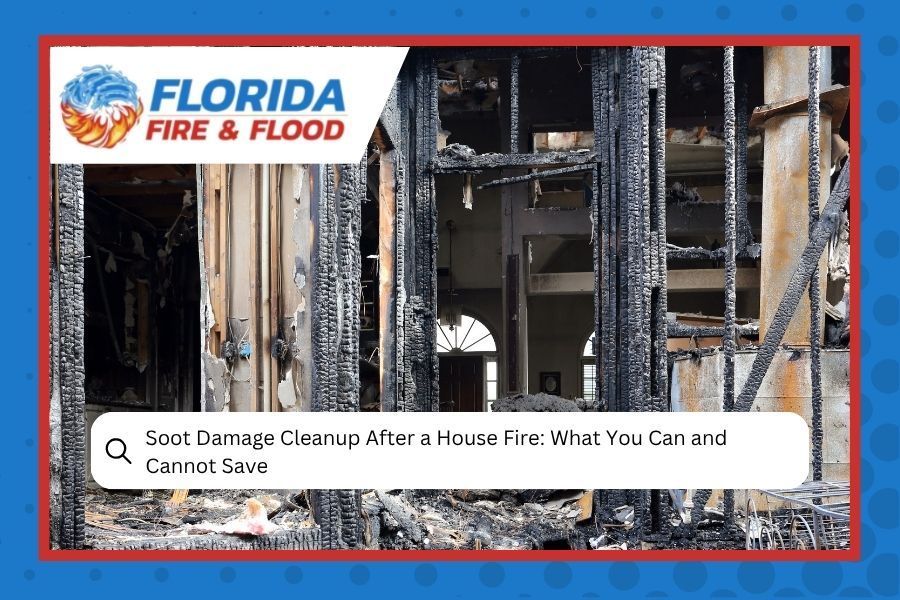
Soot damage cleanup after a house fire: learn what our IICRC certified team can save and what to replace, from textiles to electronics. Free consultation.
Hiring a water damage restoration company? Ask these 5 smart questions about certification, insurance, response time, gear, and repairs before you sign.
High water pressure damages pipes in Eustis homes. Learn the safe PSI range, regulator warning signs, and how to catch hidden leaks before they spread.