
AMRT - Applied Microbial Technician I, (Mold Remediation)
Storm Damage Assessment in Central Florida: What Your Insurance Actually Covers
April 23, 2026
Randy Lazarus
Jump To:
- What Does Your Homeowners Policy Actually Cover?
- The Flood Insurance Gap That Catches Homeowners Off Guard
- How Adjusters Assess Storm vs. Pre-Existing Damage
- Emergency Mitigation Coverage: The Clause You Need to Know
- Filing a Wind Damage Insurance Claim in Florida
- Why Working With a Restoration Company Helps Your Claim
- FAQs
Storm season in Central Florida isn't a matter of "if" but "when." And when a big storm rolls through Lake, Orange, Sumter, or Marion County, the damage can be confusing to sort out, especially when you're figuring out what your insurance will actually pay for. Our IICRC-certified team at Florida Fire & Flood has spent years helping homeowners navigate storm damage insurance coverage in Central Florida, and we've seen how the details in your policy can make or break a claim. Let's walk through what you need to know before storm season hits.
What Does Your Homeowners Policy Actually Cover After a Storm?
Your standard Florida homeowners policy covers certain types of storm damage, but the specifics matter more than most people realize. The type of damage, how it happened, and when you reported it all play a role in whether your claim gets approved.
Wind Damage: What Gets the Green Light
Wind damage is generally covered under your homeowners policy. That includes shingles ripped off, broken windows, downed fences, and structural damage caused by high winds. If a tree falls onto your roof during a storm, the removal and repair are typically covered too.
Insurance companies want proof that wind caused the damage, not age or poor maintenance. A 20-year-old roof that "finally gave in" during a storm might get a harder look from your adjuster than a newer roof with obvious wind impact patterns. The Insurance Institute for Business & Home Safety (IBHS) has documented how wind-driven rain penetrates homes through even small vulnerabilities, which is exactly the kind of scenario adjusters evaluate.
Rain Intrusion Through Storm-Created Openings
This is a critical distinction that trips up a lot of homeowners. If wind damages your roof first and then rain enters through that opening, the resulting water damage is usually covered. The key phrase in your policy is "storm-created opening." Rain that came in because a window was left open or because your roof was already compromised? That's a different story.
Document the wind damage AND the water intrusion separately, because your adjuster will want to see both.
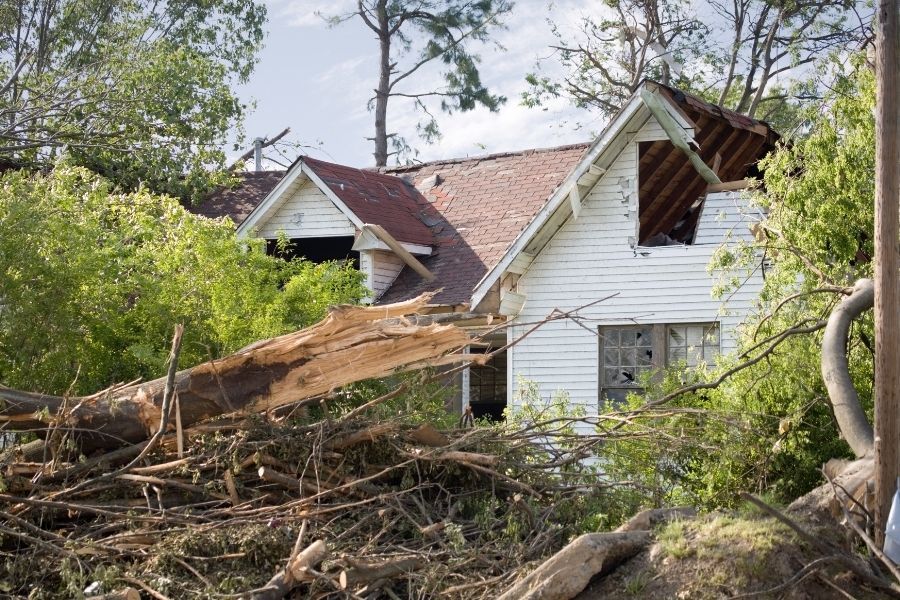
Trees toppled by high winds often cause both structural and water damage, creating multiple coverage categories in a single claim.
Secondary Water Damage from Tarping Delays
After a major storm, contractors and restoration companies are slammed. Sometimes it takes days to get a tarp on a damaged roof, and rain keeps coming. Here's what most homeowners don't know: if you fail to take reasonable steps to prevent further damage, your insurer can deny coverage for the secondary water damage.
That doesn't mean you need to climb onto a damaged roof yourself. But calling a professional restoration team for emergency board-up and tarping, and documenting those efforts, shows the insurance company you did your part.
Storm damage can escalate fast. Don't wait to get help.
Our team responds 24/7 and works directly with your insurance company so you don't have to play middleman.
Get a Free ConsultationThe Flood Insurance Gap That Catches Florida Homeowners Off Guard
This is the single biggest misconception we see across Central Florida. Most homeowners assume their standard policy covers flooding. It does not.
Flooding, meaning water that rises from the ground up due to heavy rain, overflowing rivers, or storm surge, requires a separate flood insurance policy. In Florida, this is typically available through the National Flood Insurance Program (NFIP) or private flood insurers.
The gap catches people off guard because a storm can cause both wind damage (covered by homeowners) AND flooding (not covered without a separate policy) at the same time. We've seen homeowners in Tavares, Clermont, and The Villages get a valid claim approved for roof damage while being denied for the water that pooled on their first floor.
If you don't already have flood insurance, there's typically a 30-day waiting period before a new policy kicks in. The time to look into it is right now, well before storm season starts in June.
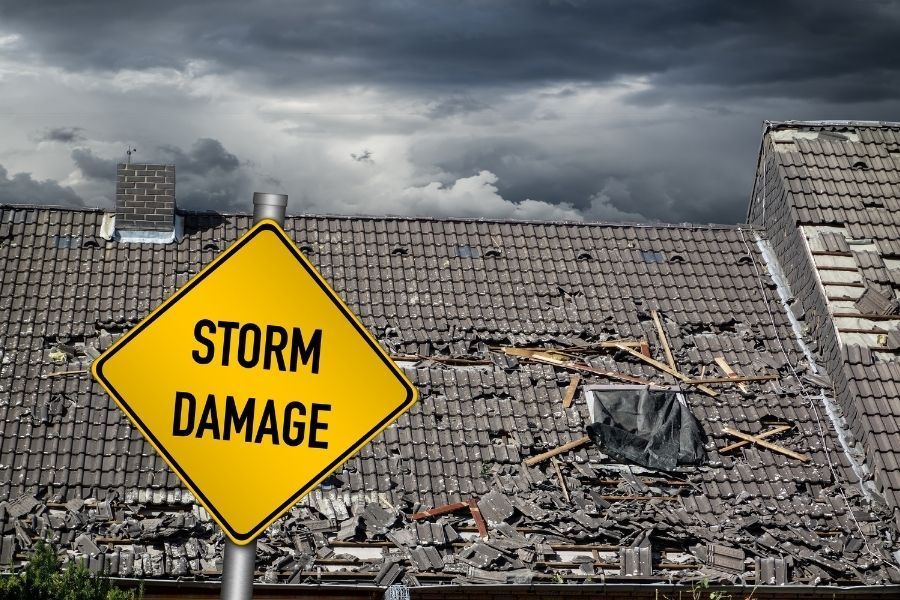
Roof damage is often the first sign of a larger water intrusion problem that needs immediate attention and documentation.
How Do Insurance Adjusters Assess Storm vs. Pre-Existing Damage?
Adjusters are trained to tell the difference between fresh storm damage and pre-existing wear. Understanding their process helps you prepare a stronger claim. Here's what they're looking at when they walk through your property.
What Adjusters Evaluate
Adjusters look at impact patterns, material age, moisture readings, and the timeline of the damage. They check whether the damage is consistent with the reported weather event. Wind damage creates distinct patterns on roofing materials, and an experienced adjuster can tell if shingles were blown off by a storm or deteriorated over time.
They also compare your property's current condition to previous inspection reports and even satellite imagery. If your roof had documented issues before the storm, that weakens your claim.
Documentation That Strengthens Your Claim
Good documentation is the single most powerful tool in your insurance claim. If you've been following our blog, you may have seen our guide on documenting water damage for insurance claims. The same principles apply here, but storm claims have a few extra layers.
| Strengthens Your Claim | Weakens Your Claim |
|---|---|
| Timestamped photos and video before cleanup begins | Cleaning up or making repairs before documenting damage |
| Records of recent roof inspections and maintenance | No maintenance history or lapsed inspections |
| Professional moisture readings and damage assessment | Relying only on visible damage without moisture testing |
| Prompt reporting to your insurer within 24-48 hours | Delayed reporting weeks or months after the storm |
| Receipts for emergency mitigation efforts (tarping, board-up) | Taking no steps to prevent further damage |
Emergency Mitigation Coverage: The Clause You Need to Know
Almost every homeowners policy in Florida includes an emergency mitigation clause, and it's one of the most underused provisions we see. This clause requires you to take reasonable steps to prevent further damage after a covered event, and it covers the cost of doing so.
That means emergency tarping, water extraction, and temporary board-up are typically reimbursable. You don't need to wait for adjuster approval to start these steps. In fact, waiting can hurt your claim.
Keep every receipt. Photograph every step. Our team at Florida Fire & Flood documents all emergency mitigation work with detailed reports that adjusters can process quickly. For more on how this process works, check out our guide on insurance adjuster coordination during claims.

Filing your storm damage claim promptly and with thorough documentation gives you the best chance of a smooth approval process.
Filing a Wind Damage Insurance Claim in Florida: Step by Step
If a storm damages your home, the order of operations matters. Here's the process that gives you the strongest position with your insurance company.
- Ensure everyone's safety first. Don't enter areas with visible structural damage or standing water near electrical outlets.
- Document everything before touching anything. Record video and take photos of every damaged area, both wide shots and close-ups.
- Call your insurance company. Report the damage within 24 to 48 hours. Note your claim number and the adjuster's name.
- Arrange emergency mitigation. Contact a restoration company for tarping, board-up, or water extraction. Your policy covers these costs.
- Keep all receipts and records. Every dollar spent on mitigation and emergency repairs should be documented.
- Be present for the adjuster visit. Walk the property with them and point out all damage, including hidden moisture behind walls or in attic spaces.
If your storm also caused mold growth from trapped moisture, make sure that gets documented as secondary damage connected to the original storm event. In Central Florida's humidity, mold can start forming within 24 to 48 hours of water intrusion.
Why Working With a Restoration Company Helps Your Insurance Claim
Insurance companies recognize IICRC-certified restoration work because it follows documented industry standards. When our team at Florida Fire & Flood handles your storm damage, we produce detailed moisture readings, photo documentation, and scope-of-work reports that speak your adjuster's language.
We use Xactimate, the same estimating software most insurers rely on, which means fewer disputes over pricing and scope. We work directly with your insurer so you don't have to play middleman. Learn more about preparing for Central Florida's storm season in our hurricane season water damage guide.
If you're dealing with storm damage or want to be prepared before the next one rolls through, give us a call for a free consultation. We're available 24/7 and have helped homeowners across Tavares, Orlando, Mount Dora, Clermont, Leesburg, and The Villages get their homes back on track.
Frequently Asked Questions
Does my Florida homeowners insurance cover water damage from a storm-damaged roof?
Yes, if wind creates the opening and rain enters through it, the resulting water damage is typically covered. Document the roof damage and water intrusion separately with timestamped photos to support your claim.
What is the difference between flood insurance and homeowners insurance for storm water damage?
Homeowners insurance covers rain entering through storm-created openings. Flood insurance covers water that rises from the ground up, including storm surge and river overflow. Standard homeowners insurance does not include flood coverage in Florida.
Will my insurance pay for emergency tarping and board-up after a storm?
Most policies include an emergency mitigation clause covering reasonable steps to prevent further damage. You don't need adjuster approval to start, but keep all receipts and document the work thoroughly.
How long do I have to file a storm damage insurance claim in Florida?
Report damage within 24 to 48 hours. Prompt reporting strengthens your claim and reduces the risk of your insurer arguing the damage worsened due to delayed action.

Randy Lazarus
About The Author:
Randy Lazarus is the owner of Florida Fire & Flood, a locally owned and family-operated restoration company serving Central Florida communities since 2021. Leading a team of IICRC-certified technicians, Randy has built a reputation for providing 24/7 emergency response and compassionate service to homeowners and businesses facing water damage, fire damage, and mold emergencies. As a member of the Central Florida community, Randy understands the unique challenges property owners face in the region and is dedicated to helping his neighbors restore their properties and get back to normal life.
Read More:
Smoke odor removal vs fire damage restoration explained: why odor and structural damage need different methods, timelines, and claims in Central Florida.
See the fire damage reconstruction timeline Lake County homeowners can expect, from board-up to move-in, plus the permit and insurance delays to plan for.

Firefighting water soaks floors, walls, and ceilings far past the burn zone. Learn why extraction and drying must run alongside fire and smoke cleanup.
Foundation water intrusion in Ocala starts with clay soil. Learn the warning signs, how it differs from a plumbing leak, and when it is time to call us.
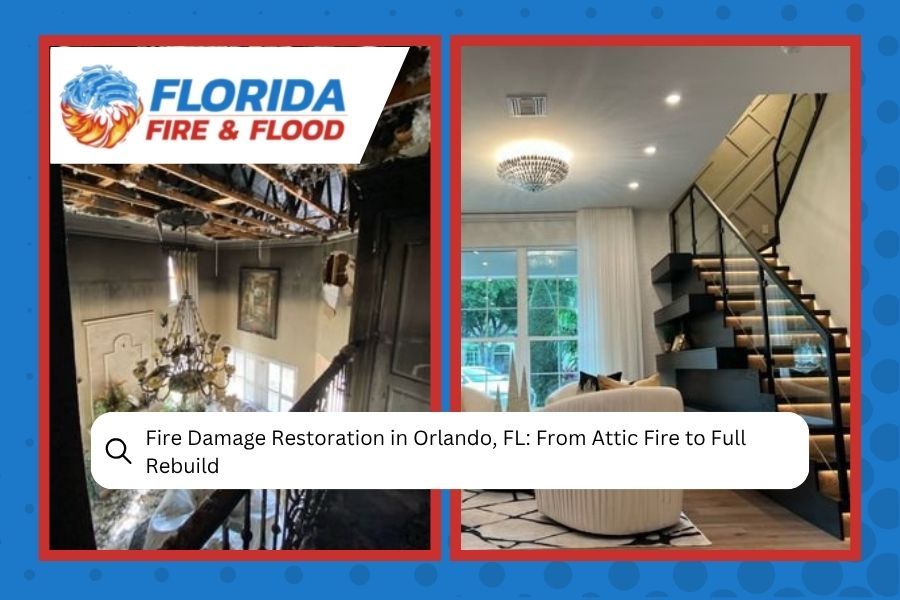
An attic fire took out the top floor of this Orlando home. See how our team rebuilt it, from the first tarp on the roof to finished kitchen and baths.
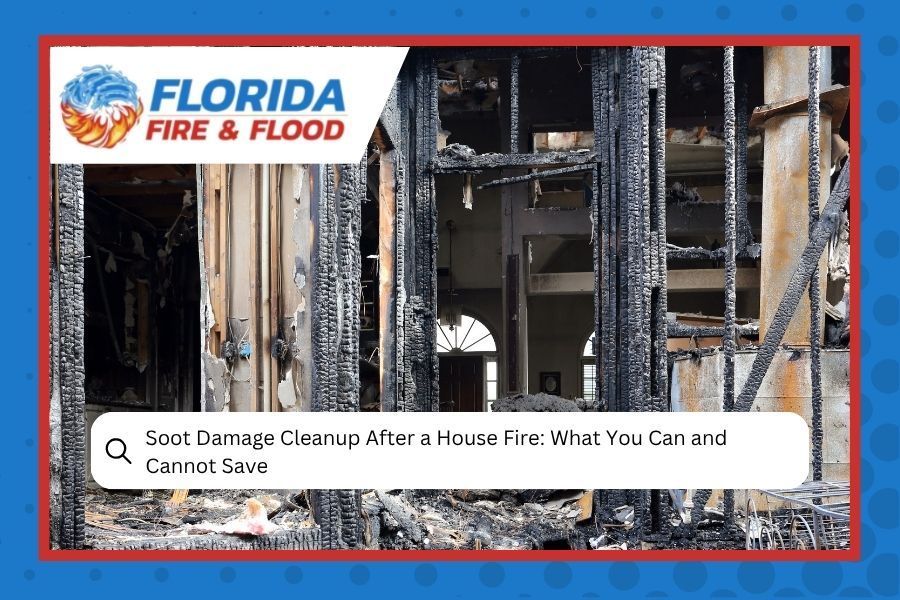
Soot damage cleanup after a house fire: learn what our IICRC certified team can save and what to replace, from textiles to electronics. Free consultation.