
AMRT - Applied Microbial Technician I, (Mold Remediation)
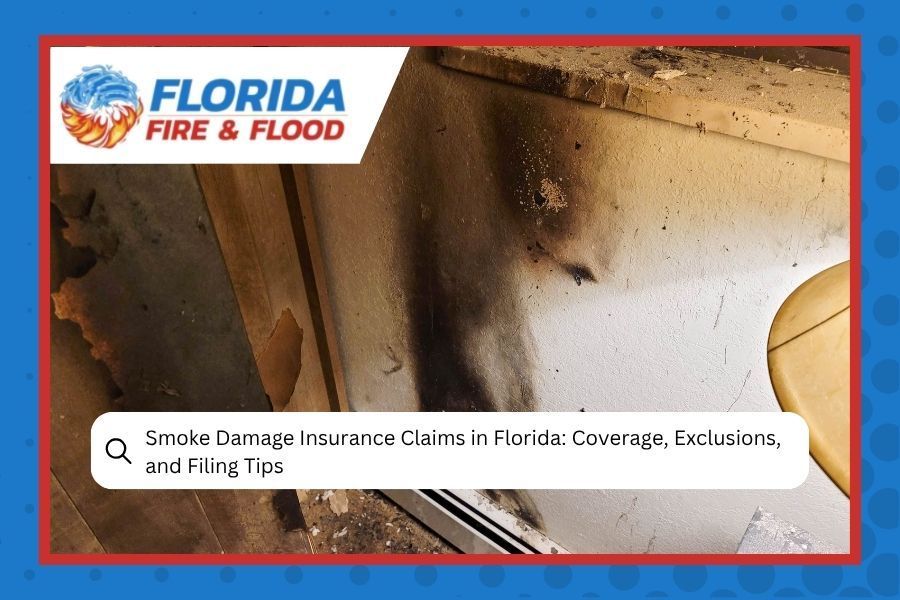
Smoke Damage Insurance Claims in Florida: Coverage, Exclusions, and Filing Tips
April 9, 2026
Randy Lazarus
Jump To:
Filing a smoke damage insurance claim in Florida is rarely simple. Your home reeks of smoke, soot covers your walls, and the paperwork feels like a second disaster. At Florida Fire & Flood, our IICRC-certified team has worked alongside adjusters on hundreds of claims across Central Florida. We know how confusing this process gets for homeowners who just want their lives back.
Smoke damage claims are handled differently than fire claims, and the distinction matters. Knowing your coverage, the exclusions, and how to document everything can mean the difference between a full approval and a denial.
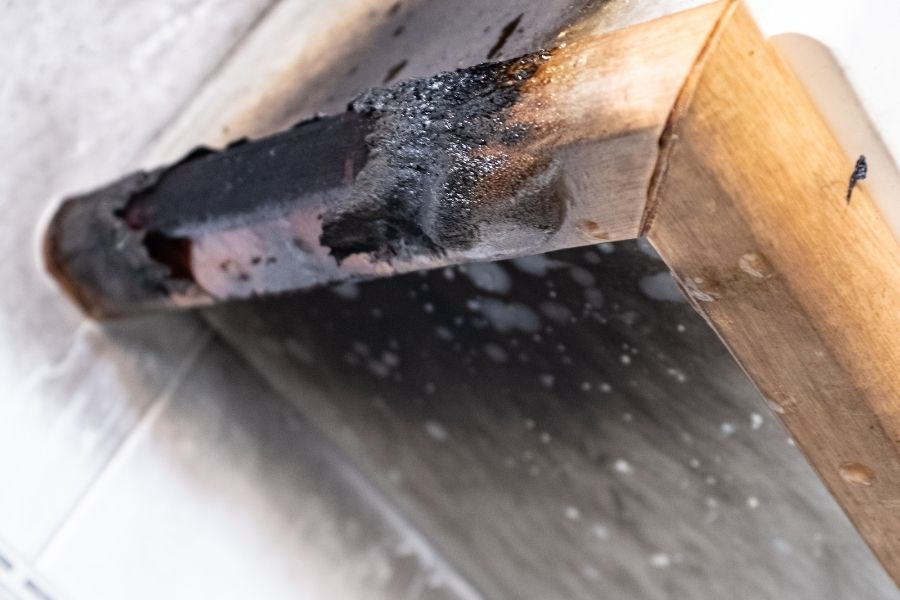
Smoke and soot residue on structural beams can be invisible to untrained eyes but still require professional restoration.
Smoke Damage vs. Structural Fire Damage: Why Insurance Treats Them Differently
Most homeowners assume smoke damage and fire damage are the same thing on a claim. They're not. Fire damage means flames that burned parts of your home. Smoke damage is the residue, odor, and soot left behind, often in rooms the fire never reached.
Adjusters look at them as two separate things. A kitchen fire might cause $15,000 in damage from the flames but $20,000 more in smoke damage through the rest of the house.
Soot particles are tiny. They travel through HVAC systems, land on fabrics, and soak into wood and drywall. The fire stays in one room. The smoke doesn't.
In Florida, our humidity makes it worse. Moisture in the air sticks to soot, creating a greasy residue that's harder to clean and more likely to leave permanent stains. That's why a professional assessment following the IICRC S700 Standard for Smoke Damage Restoration matters so much.
What Does Homeowners Insurance Actually Cover for Smoke Damage?
Standard Florida homeowners insurance covers smoke damage when it comes from a sudden, accidental fire. This includes your own house fire, a neighbor's fire that sends smoke your way, and wildfires pushing smoke through the area. Coverage usually extends to three things: fixing the structure, cleaning or replacing your belongings, and paying for a temporary place to stay if your home isn't safe.
The contents portion of your claim is where things get interesting. Adjusters look at each item and decide: can it be cleaned, or does it need replacing? For soft goods like clothing and curtains, they check whether cleaning can remove the odor and staining. If cleaning would cost more than about half the item's value, the adjuster will approve a full replacement instead.
Dealing with smoke damage and not sure where to start?
Our team coordinates directly with insurance companies so you don't have to play middle man.
Get a Free ConsultationCommon Policy Exclusions That Catch Homeowners Off Guard
Not every smoke situation gets covered. These exclusions catch homeowners off guard.
Neglect or delayed reporting. Had a small fire and didn't report it? If the smoke damage got worse over the next few weeks, your insurer can say you didn't act fast enough. Florida policies expect you to take steps to stop further damage after something goes wrong.
Smoke from fireplaces or cooking. Gradual smoke buildup from regular use is almost never covered. Insurance treats this as a maintenance issue, not a sudden event.
Vacant property exclusions. Many Florida policies reduce or eliminate coverage if the home has been vacant for 30 to 60 days. Snowbirds and seasonal residents, take note. If your Central Florida home sits empty for part of the year and a fire occurs during that window, your claim could be significantly reduced.
Intentional acts. Any fire determined to be intentionally set voids your coverage entirely. Arson investigators work closely with insurance companies on every suspicious fire claim.
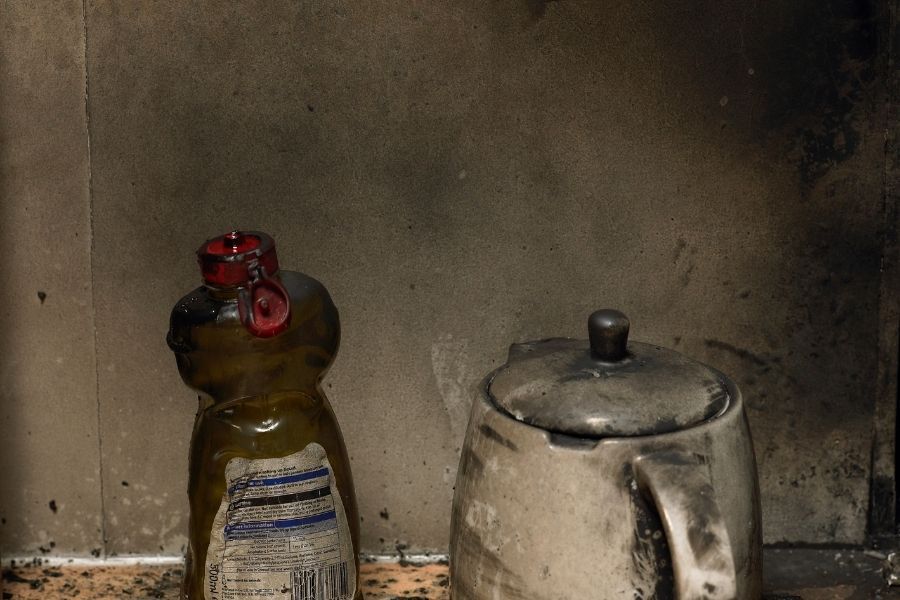
Soot on kitchen surfaces may look minor, but microscopic particles can contaminate food-contact areas beyond what regular cleaning can fix.
ACV vs. Replacement Cost: How Your Payout Gets Calculated
Your policy's valuation method determines how much money you actually receive. The difference can be thousands of dollars.
| Factor | Actual Cash Value (ACV) | Replacement Cost Value (RCV) |
|---|---|---|
| Calculation | Current value minus depreciation | Cost to replace with a similar new item |
| Example: 5-Year-Old Couch | Original $2,000, depreciated to $800 | Comparable new couch, around $2,200 |
| Premium Cost | Lower monthly premiums | Higher monthly premiums |
| Payout Timing | Single payment based on depreciated value | Two stages: ACV first, then remainder after replacement |
If you have an RCV policy, watch the payout steps closely. Most insurers send the lower amount (ACV) first. They hold back the rest until you actually buy the replacements and send in receipts.
You usually have about 180 days to make those purchases and file for the remaining money. Skip that step, and you lose it. We've seen homeowners miss out on thousands just because nobody told them about the follow-up.
Documentation Requirements for a Smoke Damage Claim
Good documentation is the single biggest factor in whether a claim moves fast or drags on for months. Start with photos and video right away, before any cleanup begins. Capture every room, even ones that look fine. Smoke travels through ductwork and shows up in places you wouldn't expect.
Make a detailed list of damaged items. For each one, write down what it is, how old it is, and what it's worth. Receipts help a lot, but credit card records work too. FEMA's After the Fire guide suggests keeping a home inventory with photos, updated every year, so you're ready if something happens.
If you're working with a restoration company, keep every invoice and note. Our team uses Xactimate, the same software adjusters use, so our paperwork matches theirs. For more on working with adjusters, read our guide on coordinating with insurance adjusters during claims.
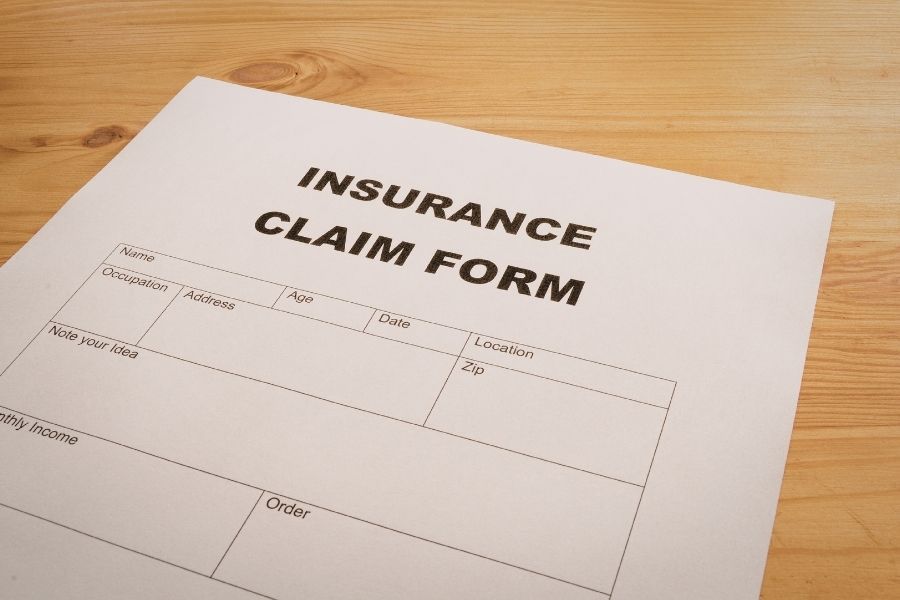
Organized documentation from day one gives your claim the best chance of a smooth, timely approval.
Three Mistakes That Get Smoke Damage Claims Denied
After years of working alongside insurance companies across Lake, Orange, Sumter, and Marion Counties, we've seen the same claim-killing mistakes repeatedly. Here are the big three.
⚠ Top Three Smoke Damage Claim Killers
1. Cleaning before documenting. Your first instinct is to start scrubbing. But wiping away soot before photographing it destroys the evidence your adjuster needs. Always document first, clean second.
2. Not reporting hidden smoke damage. Smoke travels through walls, into attics, and inside HVAC systems. If you only report visible damage in the fire room, you're under-claiming. A thorough inspection often uncovers damage homeowners missed, including potential mold growth in hidden areas where moisture and soot combined.
3. Accepting the first offer without review. Initial adjuster estimates sometimes miss secondary smoke damage, contents cleaning costs, or additional living expenses. You have the right to request a re-inspection or bring in your own estimator.
Filing Tips for Florida Homeowners
The fire smoke damage claim process follows a clear pattern. Knowing the steps ahead of time takes some stress out of a tough situation.
Call your insurance company within 24 hours. Most policies say you need to report damage quickly. Wait too long, and your insurer has a reason to push back on the claim.
Stop further damage right away. Board up openings, tarp exposed areas, and open windows if safe. Your policy says you must take reasonable steps to prevent more loss. Save the receipts for supplies, because those costs are usually covered.
Get a professional damage assessment before the adjuster arrives. Having an independent evaluation gives you a baseline to compare. Because we use Xactimate at Florida Fire & Flood, the same software adjusters rely on, our estimates translate directly into the claims process.
If water damage from firefighting efforts is also present, make sure that gets documented as part of the same claim. Firefighting water is covered under almost every policy, and the secondary water damage is often more expensive than the smoke damage itself.
For more on how insurance works in Florida, our post on whether homeowners insurance covers water damage covers many of the same ideas. And for fire prevention tips, check out our article on candle fire safety during spring celebrations.
Frequently Asked Questions
How long do I have to file a smoke damage insurance claim in Florida?
Most policies don't give a hard deadline, but they do say you need to report damage "promptly." In practice, call within 24 to 48 hours. The longer you wait, the easier it is for your insurer to push back or say you didn't act fast enough.
Does insurance cover smoke damage from a neighbor's fire?
Yes, usually. If smoke from a neighbor's fire damages your home, your own policy covers it. You file the claim with your insurer, not your neighbor's. Your company may go after the neighbor's insurer later on their own.
Will my insurance replace smoke-damaged clothing or just pay for cleaning?
It depends on cost. If cleaning an item would cost more than about half its replacement price, the insurer will usually approve a full replacement. Soft goods like clothes and curtains are looked at one by one.
Can I choose my own restoration company for a smoke damage claim?
Yes. Florida law says you can hire any licensed restoration company, no matter who your insurer suggests. Picking an IICRC-certified team that uses Xactimate can speed things up, since the paperwork matches what adjusters already work with.
Need Help With a Smoke Damage Claim in Central Florida?
Florida Fire & Flood provides 24/7 emergency response across Lake, Orange, Sumter, and Marion Counties. Our IICRC-certified team works directly with your insurance company from day one.
Learn More About Our Services
Randy Lazarus
About The Author:
Randy Lazarus is the owner of Florida Fire & Flood, a locally owned and family-operated restoration company serving Central Florida communities since 2021. Leading a team of IICRC-certified technicians, Randy has built a reputation for providing 24/7 emergency response and compassionate service to homeowners and businesses facing water damage, fire damage, and mold emergencies. As a member of the Central Florida community, Randy understands the unique challenges property owners face in the region and is dedicated to helping his neighbors restore their properties and get back to normal life.
Read More:
See the fire damage reconstruction timeline Lake County homeowners can expect, from board-up to move-in, plus the permit and insurance delays to plan for.

Firefighting water soaks floors, walls, and ceilings far past the burn zone. Learn why extraction and drying must run alongside fire and smoke cleanup.
Foundation water intrusion in Ocala starts with clay soil. Learn the warning signs, how it differs from a plumbing leak, and when it is time to call us.
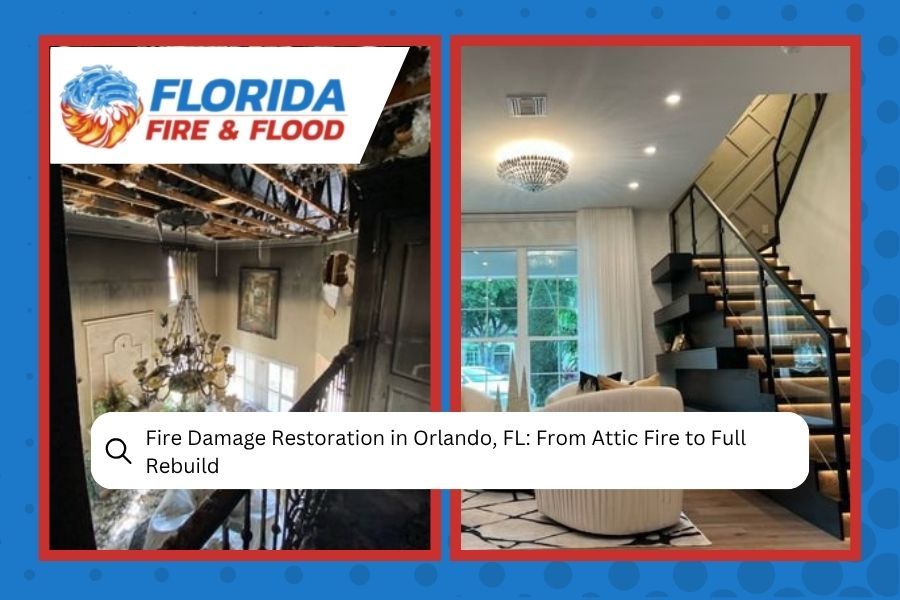
An attic fire took out the top floor of this Orlando home. See how our team rebuilt it, from the first tarp on the roof to finished kitchen and baths.
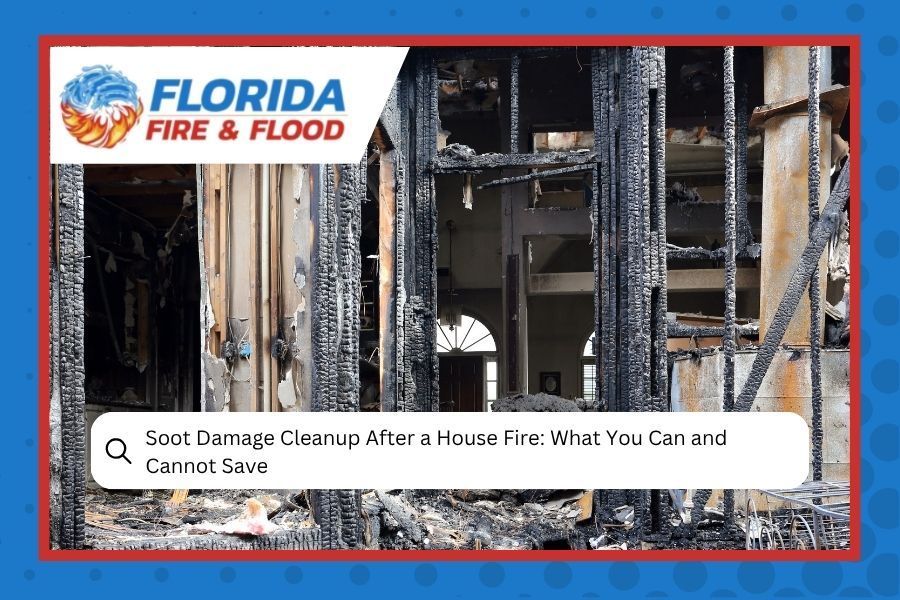
Soot damage cleanup after a house fire: learn what our IICRC certified team can save and what to replace, from textiles to electronics. Free consultation.
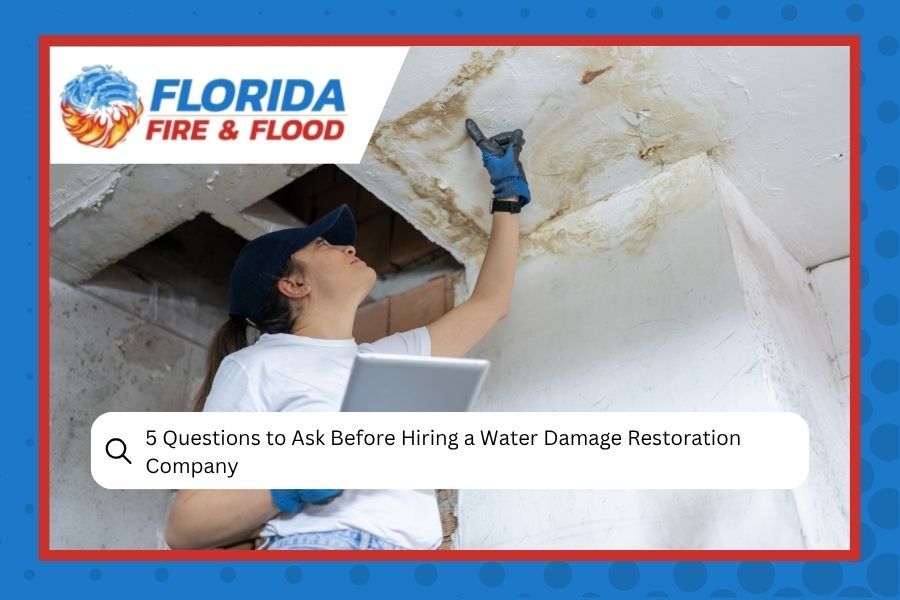
Hiring a water damage restoration company? Ask these 5 smart questions about certification, insurance, response time, gear, and repairs before you sign.