

AMRT - Applied Microbial Technician I, (Mold Remediation)

Why Your Tavares AC Unit Could Be Growing Mold Right Now
April 16, 2026
Randy Lazarus
Jump To:
Your air conditioner is probably the hardest-working appliance in your Tavares home. It runs almost year-round, pushing cold air through your ducts while pulling in warm, humid air. That cycle is exactly what AC mold in Tavares homes needs to grow.
Our IICRC-certified team at Florida Fire & Flood sees it every spring. It catches homeowners off guard.
If you haven't checked your AC since last summer, mold might already be growing inside it. Spring humidity climbs fast here, and your air conditioner becomes a collection point for moisture.
Why Is Your AC a Mold Magnet in Florida?
In states with cold winters, AC units sit idle for months and dry out completely. Here in Tavares, your system barely gets a break. It runs through mild winters and kicks into overdrive once spring humidity starts climbing in March and April.
That near-constant operation means moisture is always present. Cold refrigerant meets warm, humid air on the coils, and condensation forms. That water drips into the drain pan, flows through a small pipe, and exits your home. At least, that's how it's supposed to work.
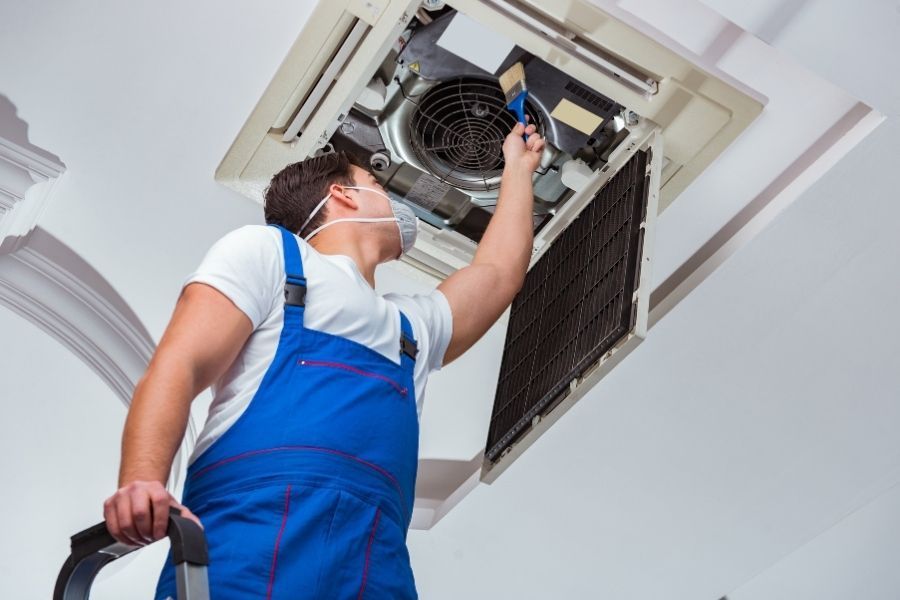
Regular AC servicing helps catch moisture problems before mold takes hold.
When any part of that system clogs or fails, water sits inside your AC. Dust and debris collect on coils and filters. Together, that gives mold spores everything they need. The EPA warns that mold exposure can trigger allergies, asthma, and breathing problems, especially when bad air keeps circling through your home.
What Are the Most Common AC Mold Triggers?
Several specific problems create perfect mold conditions inside your AC system. Knowing what to look for helps you catch issues early.
| AC Problem | Why It Causes Mold | Warning Sign |
|---|---|---|
| Clogged condensate drain line | Water backs up into the drain pan and overflows | Water stains near indoor unit or musty smell |
| Dirty or clogged air filter | Restricts airflow, coils freeze and thaw repeatedly | Reduced cooling, ice on the unit |
| Cracked or rusted drain pan | Water leaks instead of draining properly | Water pooling around the base of the unit |
| Oversized AC unit | Short-cycles without removing enough humidity | Home feels cool but still sticky or damp |
The drain pan under your evaporator coils catches condensation. Over time, algae and debris clog the drain opening. When the pan fills, water sits, and mold colonizes within 24 to 48 hours in Florida's warmth.
Condensation line clogs are just as common. Algae loves growing inside that small PVC pipe. Once it blocks up, water has nowhere to go. We've pulled condensate lines on water damage restoration jobs that were sealed shut with gunk.
Noticing a musty smell from your vents?
Don't wait for visible mold. Our team responds within an hour across Tavares and Central Florida.
Schedule a Free Consultation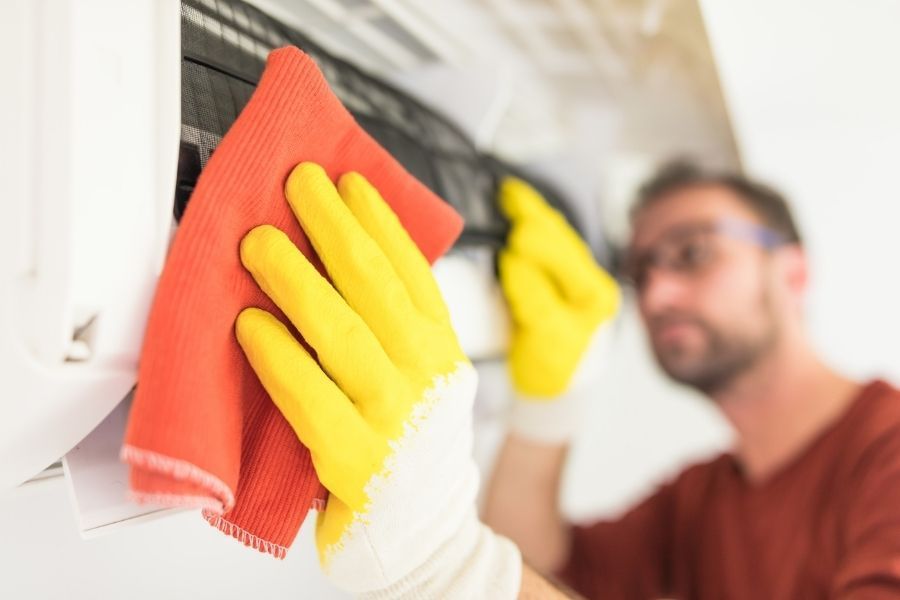
Simple cleaning habits go a long way in preventing AC mold buildup.
Homeowner AC Inspection Checklist for Mold Prevention
You don't need to be an HVAC technician to spot early signs of AC condensation mold growth in Central Florida. Here's what you can check before calling the pros.
Your Spring AC Mold Check:
- Check the air filter. If it's dark, clogged, or musty, replace it immediately.
- Inspect the drain pan. Any standing water or slimy buildup means the drain is compromised.
- Look at your vents. Dark spots or discoloration around supply vents can indicate mold in the ductwork.
- Smell test. A musty, earthy, or sour odor from the vents is a red flag.
- Check the condensate line exit. Water should drip out when the AC runs. No drip means a possible clog.
- Monitor humidity. Indoor humidity above 60% with the AC running means something isn't working right.
If anything raises a concern, get a closer look. Our guide on spring humidity and mold growth patterns covers how fast these situations escalate in Central Florida.
What Should You Do If You Find Mold in Your AC?
Surface mold on a removable vent cover? Clean it with soap and water. But mold on coils, inside the drain pan, or in ductwork needs professional help. The EPA says HVAC mold contamination should be handled by pros because bad cleaning spreads spores through the whole house.
One thing to know: Florida law says mold testing must be done by a licensed hygienist. Our team at Florida Fire & Flood handles the cleanup, but we work with licensed testers to make sure everything is done right.

A clogged filter restricts airflow and creates the moisture conditions mold needs to grow.
Preventing AC Mold Before It Starts
Prevention beats remediation every time. Change your air filter every 30 to 60 days during spring and summer. Pour a cup of white vinegar down your condensate line every few months to kill algae.
Keep indoor humidity between 30% and 50%. Simple stuff. But these small habits save Tavares homeowners from expensive surprises down the road.
If you're dealing with HVAC-related water leaks, our guide on HVAC water leak detection walks through the warning signs. And for overall humidity problems, check out these bathroom ventilation and mold control tips.
Think Your AC Might Have a Mold Problem?
Florida Fire & Flood provides 24/7 emergency mold remediation across Tavares, Mount Dora, Clermont, Leesburg, Orlando, and The Villages. IICRC certified, fully insured, and we work directly with your insurance company so you don't have to.
Get Help NowFrequently Asked Questions
How do I know if there's mold growing inside my AC unit?
The most common signs are a musty or sour smell when the AC kicks on, dark spots around supply vents, and visible slimy buildup on the drain pan or coils. If your allergies seem worse indoors, mold in the AC system could be the culprit.
Can I clean mold out of my air conditioner myself?
You can clean surface mold on removable vent covers with soap and water. However, mold on evaporator coils, inside the drain pan, or within ductwork requires professional remediation to avoid spreading spores throughout your home.
Why does AC mold get worse in spring in Central Florida?
Spring brings a sharp increase in outdoor humidity across Tavares and Central Florida. Your AC works harder to remove that moisture, producing more condensation. Combined with warmer temperatures, spring creates ideal conditions for mold colonization inside AC systems.
Does Florida Fire & Flood do mold testing?
No. Florida law requires that mold testing be performed by a licensed hygienist. Florida Fire & Flood handles the mold remediation process and coordinates with licensed testing professionals to meet state requirements.

Randy Lazarus
About The Author:
Randy Lazarus is the owner of Florida Fire & Flood, a locally owned and family-operated restoration company serving Central Florida communities since 2021. Leading a team of IICRC-certified technicians, Randy has built a reputation for providing 24/7 emergency response and compassionate service to homeowners and businesses facing water damage, fire damage, and mold emergencies. As a member of the Central Florida community, Randy understands the unique challenges property owners face in the region and is dedicated to helping his neighbors restore their properties and get back to normal life.
Read More:
Smoke odor removal vs fire damage restoration explained: why odor and structural damage need different methods, timelines, and claims in Central Florida.
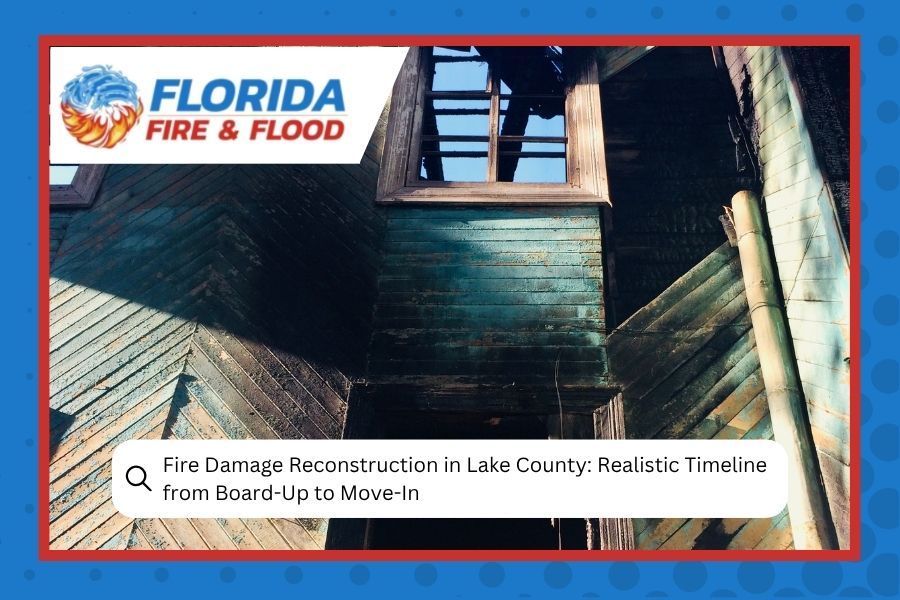
See the fire damage reconstruction timeline Lake County homeowners can expect, from board-up to move-in, plus the permit and insurance delays to plan for.

Firefighting water soaks floors, walls, and ceilings far past the burn zone. Learn why extraction and drying must run alongside fire and smoke cleanup.
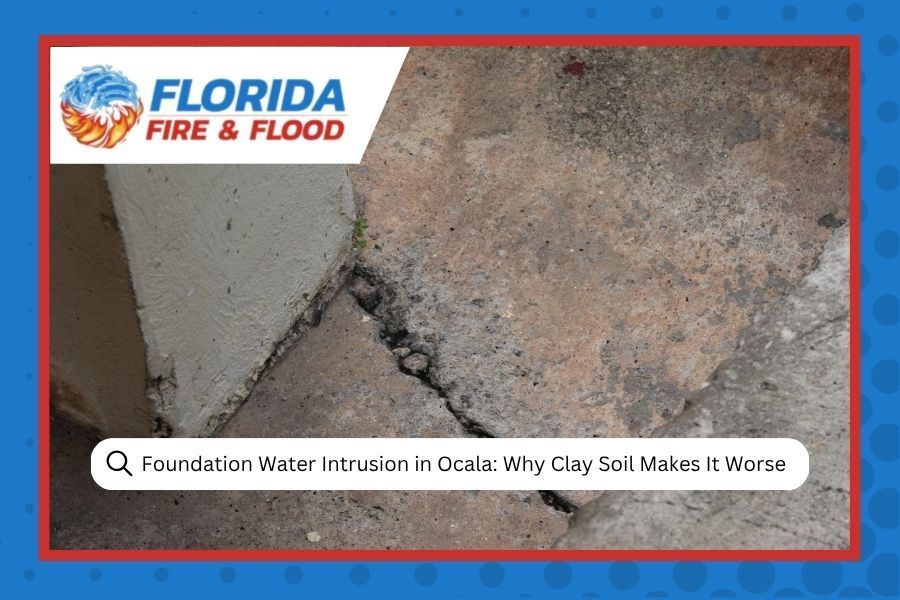
Foundation water intrusion in Ocala starts with clay soil. Learn the warning signs, how it differs from a plumbing leak, and when it is time to call us.
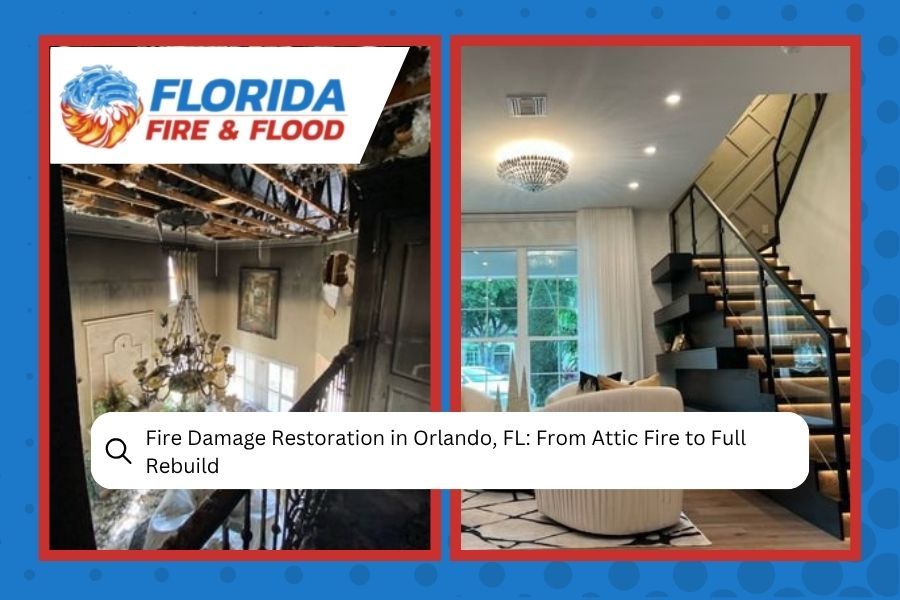
An attic fire took out the top floor of this Orlando home. See how our team rebuilt it, from the first tarp on the roof to finished kitchen and baths.
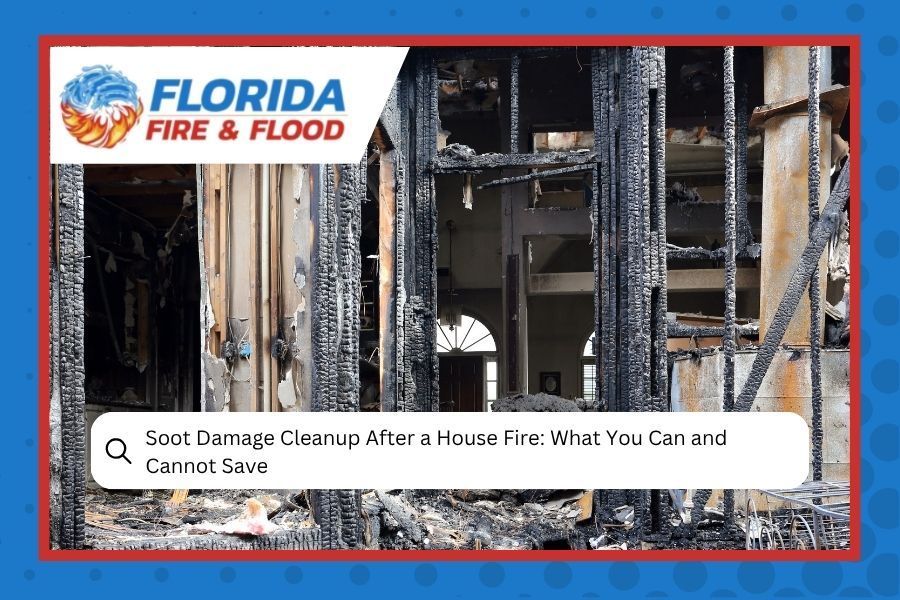
Soot damage cleanup after a house fire: learn what our IICRC certified team can save and what to replace, from textiles to electronics. Free consultation.