

AMRT - Applied Microbial Technician I, (Mold Remediation)

HVAC Water Leak Detection in Crystal River Homes
March 3, 2026
Randy Lazarus
Jump To:
Your HVAC system keeps your Crystal River home comfortable year-round, but it can also be a hidden source of water damage. Slow leaks from air conditioning units, condensate lines, and drain pans often go unnoticed for weeks. By the time you spot a stain on the ceiling or a musty smell near a vent, the damage has already spread. Our IICRC-certified team at Florida Fire & Flood provides water damage restoration across Central Florida, and HVAC-related leaks are one of the most common calls we get from homeowners in Citrus County.
The tricky part? These leaks rarely announce themselves with a dramatic flood. They're sneaky. A small drip behind a wall, a clogged condensate drain quietly pooling in your attic, a rusted pan that's been holding on by a thread. That's what makes early detection so important.
Why Do HVAC Systems Leak Water?
Every air conditioning system produces condensation as it cools your home's air. That moisture collects in a drain pan, travels through a condensate line, and exits the home. Simple enough in theory. But when any piece of that chain breaks down, water ends up where it shouldn't.
Clogged condensate drain lines are the number one culprit. Algae, mold, and dust build up inside the line over time, creating blockages that force water to back up into the drain pan and eventually overflow. In Crystal River, where units run nearly all year due to the subtropical climate, these clogs develop faster than in cooler regions.

Routine HVAC maintenance catches small problems before they turn into water damage.
Other common causes include cracked or rusted drain pans (especially in older units), improper installation that creates drainage issues, frozen evaporator coils that melt and overwhelm the system, and disconnected or damaged condensate lines. According to the IICRC S500 restoration standards, even small, ongoing moisture sources like these can create conditions for significant structural damage if left unaddressed.
Warning Signs of an HVAC Water Leak
Catching an HVAC leak early is the difference between a quick fix and a major restoration project. Here's what to watch for.
⚠ Key Warning Signs
| Sign | What It Means | Urgency |
|---|---|---|
| Water pooling around the indoor unit | Clogged drain line or cracked pan | High |
| Musty or moldy smell near vents | Moisture and possible mold growth | High |
| Ceiling stains or bubbling paint | Leak from an attic-mounted unit | High |
| Unusual humidity spikes indoors | System not draining condensation properly | Medium |
| Higher than normal water bills | Possible hidden leak in the system or supply line | Medium |
If you notice any of these signs, don't ignore them. A small puddle near your air handler today can become a full-blown mold remediation situation within 48 hours, especially in Florida's warm, humid environment.
Think Your HVAC Might Be Leaking?
Our team at Florida Fire & Flood responds within one hour across Central Florida. We'll assess the damage and get you a plan fast.
Get a Free ConsultationHow Crystal River's Climate Makes HVAC Leaks Worse
Crystal River sits right along the Gulf Coast in Citrus County, and that location comes with some specific challenges for your HVAC system. The humidity is relentless. Summer months regularly push above 80% relative humidity, meaning your AC works overtime pulling moisture from the air. More condensation means more strain on drain pans and condensate lines.
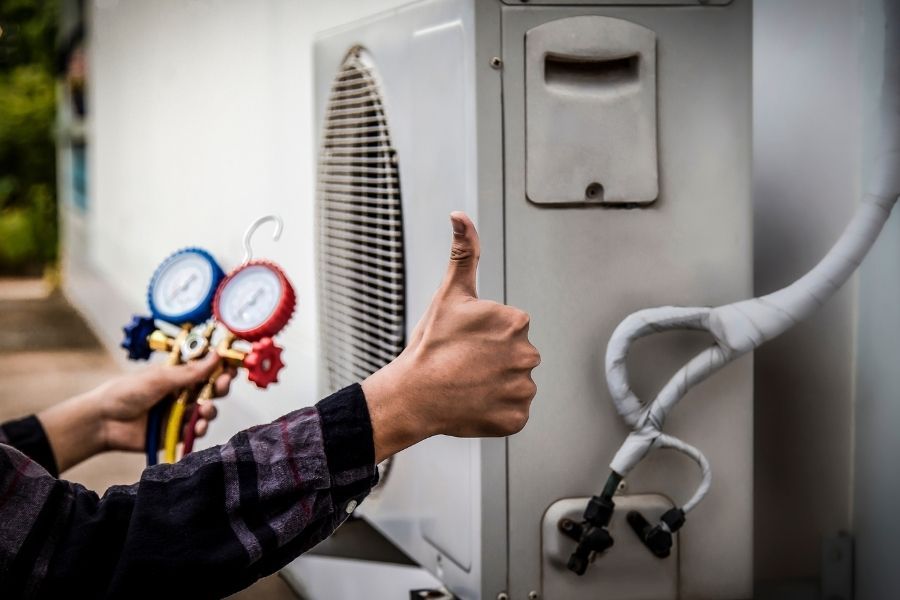
Professional inspections catch issues that aren't visible during a basic visual check.
Then there's salt air. Homes near the coast, particularly those close to Kings Bay and the Crystal River waterfront, deal with accelerated corrosion on metal components. Drain pans and copper condensate lines deteriorate faster in these conditions than in inland areas like Ocala or Tavares.
The EPA notes that controlling indoor moisture is the single most effective way to prevent mold growth in your home. In a climate like Crystal River's, that means your HVAC system's drainage components need more attention than average.
DIY HVAC Leak Inspection Checklist
You don't need to be a technician to catch early signs of trouble. Run through this checklist every month, and you'll stay ahead of most problems.
- Check the drain pan under your air handler. Look for standing water, rust spots, or cracks. Even a small amount of standing water means the drain isn't working right.
- Inspect the condensate drain line. Find where it exits your home (usually a PVC pipe near the outdoor unit). Water should drip steadily when the AC is running. No drip at all could mean a clog.
- Look for moisture around vents and registers. Condensation on or near vents might signal a ductwork issue or an airflow problem causing excess moisture.
- Check your attic if the air handler is up there. Look for water stains on insulation, damp spots on the ceiling from above, or any visible dripping.
- Flush the condensate line quarterly. Pour a cup of white vinegar or diluted bleach through the line to prevent algae and mold buildup.
Our team has responded to plenty of Crystal River homes where a five-minute inspection would have prevented thousands in water damage from appliance leaks. The pattern is almost always the same: slow drip, hidden moisture, then a sudden discovery weeks later.
When to Call a Professional
Some HVAC leaks are easy DIY fixes. Others aren't. Here's the line.
If you flush the condensate line and it drains normally again, great. If you find minor surface moisture around the base of the unit, dry it up and keep an eye on it. Those situations are manageable.
But call a professional if you find water staining on ceilings or walls, detect a persistent musty odor, notice mold growth near vents or the air handler, or discover that water has reached flooring, drywall, or insulation. At that point, you're dealing with potential structural damage that needs proper assessment and equipment.

When water reaches walls or flooring, professional restoration prevents long-term damage.
At Florida Fire & Flood, we use thermal imaging and professional moisture meters to map hidden water damage that visual inspections miss. We've helped homeowners across Crystal River and throughout Central Florida catch and repair HVAC-related water damage before it spiraled into a much bigger project. If your situation involves indoor air quality concerns from hidden moisture, that's another reason to bring in a professional sooner rather than later.
We also work directly with most major insurance companies, so you don't have to play middle man during the claims process. For homeowners who've dealt with similar water damage from household sources, we handle everything from emergency extraction to full reconstruction.
Frequently Asked Questions
How often should I have my HVAC system inspected for leaks in Crystal River?
In Crystal River's humid coastal climate, schedule a professional HVAC inspection at least twice a year, once before summer and once before the mild winter season. Between professional visits, perform your own monthly visual check of the drain pan, condensate line, and surrounding areas for moisture.
Can a small HVAC drip really cause serious water damage?
Absolutely. A slow, consistent drip can saturate drywall, insulation, and wood framing over a period of weeks. In Florida's warm temperatures, mold can begin colonizing damp materials within 24 to 48 hours. What starts as a minor drip can result in thousands of dollars in structural repairs and mold remediation.
Does homeowners insurance cover HVAC water leak damage?
Most homeowners policies cover sudden and accidental water damage from HVAC systems, like a drain pan that cracks unexpectedly. However, damage from gradual leaks due to neglected maintenance is often excluded. Review your specific policy and contact your insurer promptly if damage occurs. Florida Fire & Flood works directly with most major insurance carriers to help streamline the claims process.
What should I do immediately if I find water leaking from my HVAC unit?
Turn off the HVAC system first to stop additional condensation. Then shut off the water supply if the leak involves a supply line. Remove standing water with towels or a wet/dry vacuum, and move any belongings away from the affected area. If the leak has reached walls, ceilings, or flooring, contact a restoration professional for an assessment. Acting quickly limits the extent of the damage and reduces restoration costs.

Randy Lazarus
About The Author:
Randy Lazarus is the owner of Florida Fire & Flood, a locally owned and family-operated restoration company serving Central Florida communities since 2021. Leading a team of IICRC-certified technicians, Randy has built a reputation for providing 24/7 emergency response and compassionate service to homeowners and businesses facing water damage, fire damage, and mold emergencies. As a member of the Central Florida community, Randy understands the unique challenges property owners face in the region and is dedicated to helping his neighbors restore their properties and get back to normal life.
Read More:
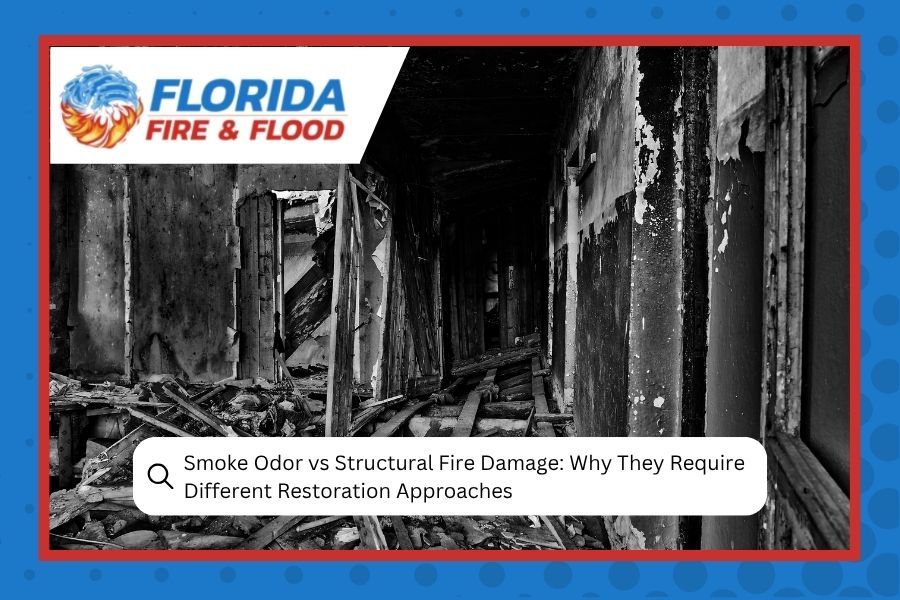
Smoke odor removal vs fire damage restoration explained: why odor and structural damage need different methods, timelines, and claims in Central Florida.
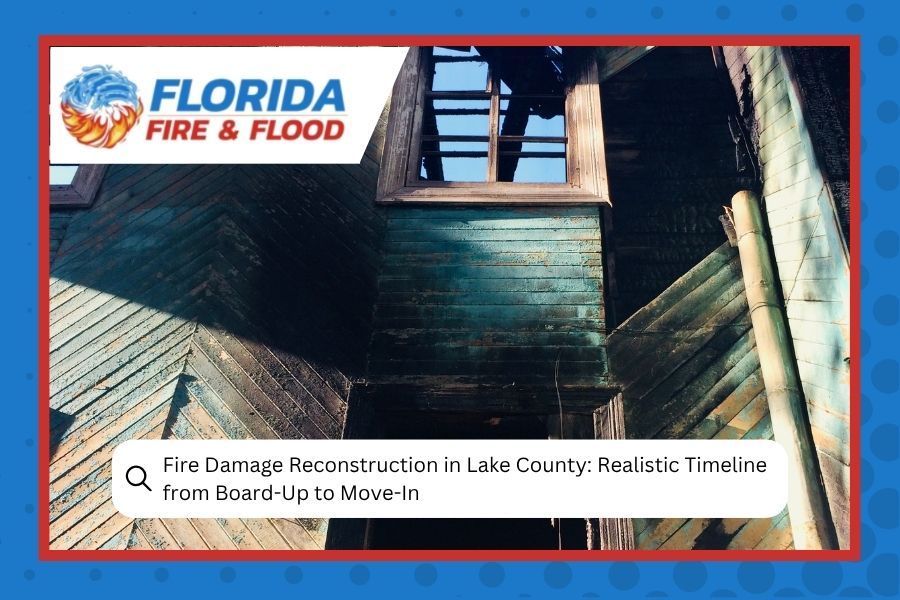
See the fire damage reconstruction timeline Lake County homeowners can expect, from board-up to move-in, plus the permit and insurance delays to plan for.

Firefighting water soaks floors, walls, and ceilings far past the burn zone. Learn why extraction and drying must run alongside fire and smoke cleanup.
Foundation water intrusion in Ocala starts with clay soil. Learn the warning signs, how it differs from a plumbing leak, and when it is time to call us.

An attic fire took out the top floor of this Orlando home. See how our team rebuilt it, from the first tarp on the roof to finished kitchen and baths.
Soot damage cleanup after a house fire: learn what our IICRC certified team can save and what to replace, from textiles to electronics. Free consultation.