
AMRT - Applied Microbial Technician I, (Mold Remediation)
Mobile Home Water Damage Repair Central Florida: Back to Solid Floors and Dry Walls
Water in a manufactured home rarely announces itself. It runs from a supply line or water heater, soaks the subfloor, and spreads under vinyl or carpet where nobody sees it, sometimes for months. By the time a floor goes soft, the repair is bigger than the leak ever was. Our team at Florida Fire & Flood handles mobile home water damage repair across Central Florida, from drying through rebuilding, with mold remediation when growth has started.
Calls We Get From Mobile Home Owners
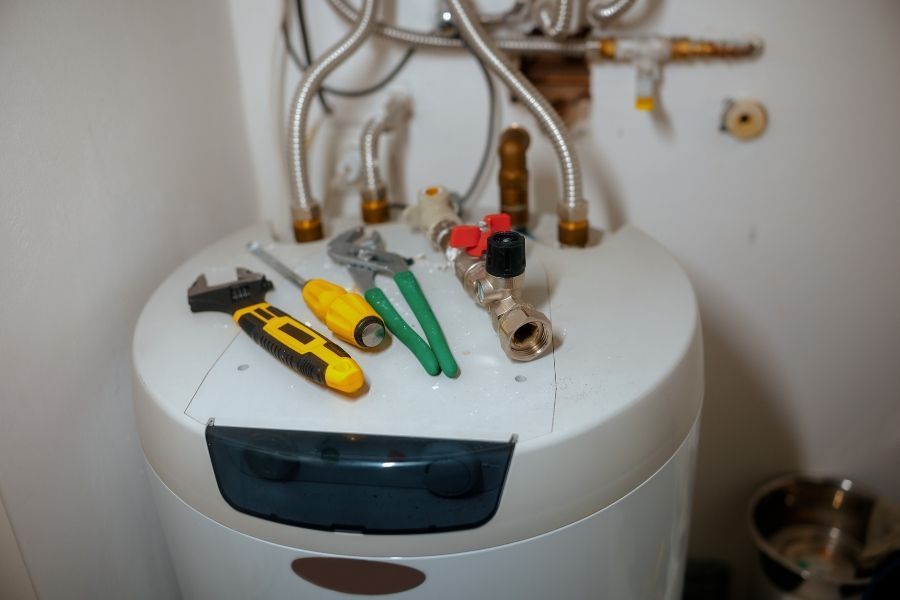
- A water heater leak in Howey-in-the-Hills that went unnoticed for about three months and reached five rooms
- A leak beneath a home in Astatula
- Splitting boards and visible growth in Citra, spotted by a neighbor
- A window AC unit in Davenport that warped the wall around it
- Liquid pooling inside a ceiling light fixture
Water heaters are a frequent source, and our guide to water heater maintenance and leak signs walks through them.
Visible growth like the Citra neighbor spotted needs mold removal and remediation, not bleach, because wet material underneath keeps feeding it
Why Leaks Hide in Manufactured Homes
Many manufactured homes have a fabric or plastic barrier under the floor, often called a belly wrap. Water from a leaking line can collect on it and soak the subfloor from below while the surface looks normal. Wall panels are often thinner than site-built drywall, so they warp faster.
Pressed-wood subfloors lose strength as they absorb water, so a soft spot is a structural warning, not a cosmetic one. Many of these leaks start at a supply line or fitting, which is why they overlap with our plumbing failure water damage repair work.
Nobody can call a floor safe from a photo, so stay off soft or sagging areas until it's checked in person. Our checklist for spotting the signs of water damage helps you catch the next one sooner.
Water Near a Light Fixture: Stay Clear
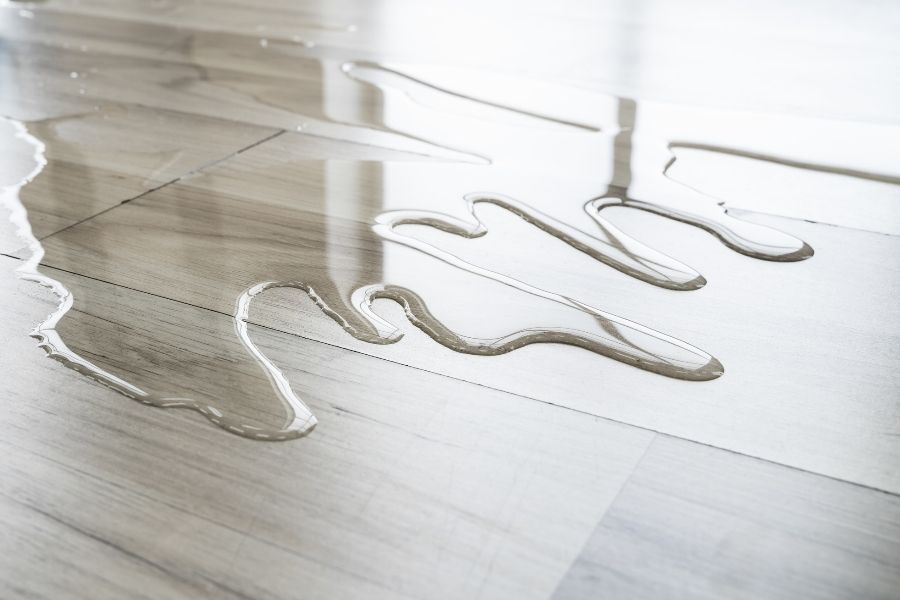
Treat water in a ceiling light as an electrical hazard. Don't touch the fixture or the switch, and don't walk through standing water to reach the breaker. If the main breaker is reachable from a dry spot, shut it off; if not, leave the area and call an electrician or your utility. Ready.gov's flood safety guidance gives the same warning about wet electrical equipment.
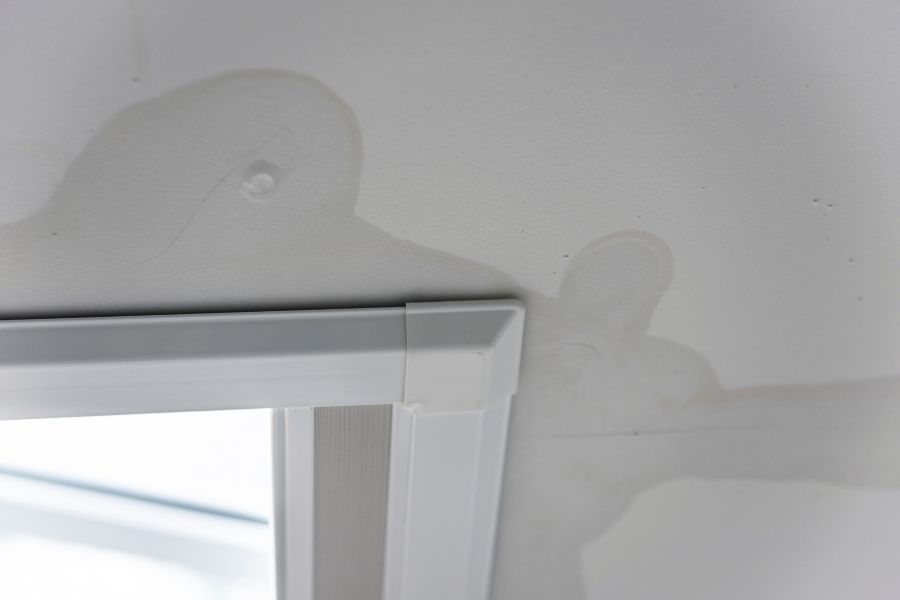
Before, During, and After the Repair
Before: You've noticed a soft floor, a bowed panel, or a musty smell. A plumber or HVAC tech stops the source first; for window and wall units, our page on AC leak water damage cleanup explains who handles what. Then we measure how far the water traveled.
During: Drying follows the same standards our water damage restoration company uses in every home. Flooring and wall panels that can't be saved come out, and mold remediation follows wherever growth has started.
After: Our crew replaces the subfloor, flooring, and wall panels that came out, so the home is back on solid footing.
Helping From Out of Town
Some mobile home calls come from adult children who live hours from a parent's place. Photos and a FaceTime walkthrough let us see the problem early and talk through next steps with both of you. They don't replace an on-site inspection, though; moisture readings and floor checks happen in person, and we'll update you after each visit.
We provide mobile home water damage repair in Ocala, Leesburg, Lake County, and communities across Sumter, Marion, and Orange counties.
Let's Get Your Mobile Home Dry Together
You don't have to sort out the plumber, the insurance call, and the repairs on your own. Our team works through it with you, or with your parent, from the first look to the last panel. Reach out to set up a Free Consultation.
Get A Free INSPECTION
By filling out the form below
Mobile Home Water Damage: Common Questions
See Our Water Damage Restoration Work & Tips
Catch pipe joint failure in your Tavares home early. Learn the warning signs for galvanized, copper, and CPVC pipes, plus a simple inspection schedule.
Foundation water intrusion in Ocala starts with clay soil. Learn the warning signs, how it differs from a plumbing leak, and when it is time to call us.
Hiring a water damage restoration company? Ask these 5 smart questions about certification, insurance, response time, gear, and repairs before you sign.