

AMRT - Applied Microbial Technician I, (Mold Remediation)
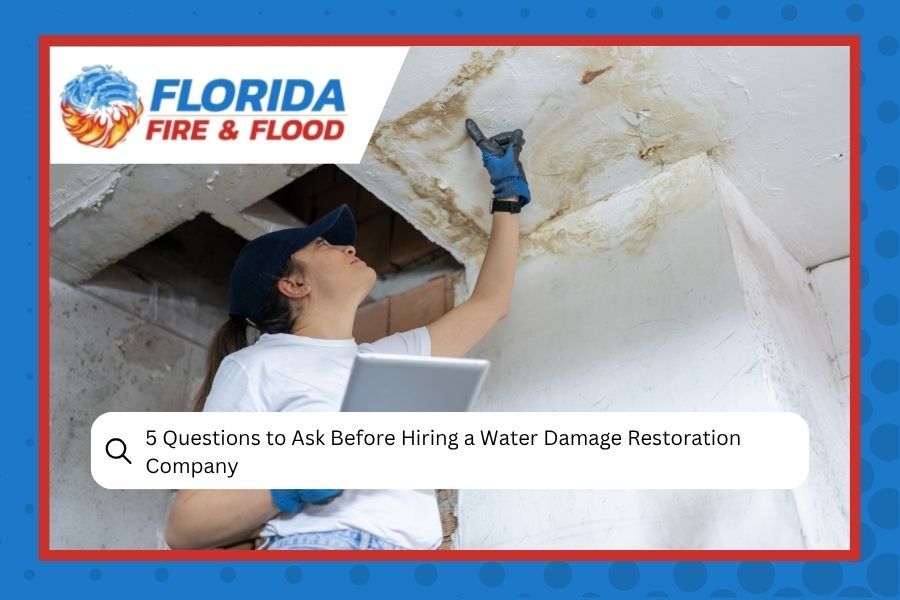
5 Questions to Ask Before Hiring a Water Damage Restoration Company
August 4, 2026
Randy Lazarus
Jump To:
Hiring the right water damage restoration company comes down to five smart questions. A flooded home is stressful enough. You should not also have to wonder whether the crew in your living room knows the work. So we built this checklist of questions to ask before you hire any water damage restoration company in Central Florida, whether you call our team at Florida Fire & Flood or someone else.
Question 1: Are Your Technicians IICRC-Certified?
IICRC training is the clearest sign that a crew knows how to dry a home the right way. The IICRC writes the S500 standard that most insurers follow. A trained tech dries a home fully, not just yanking out wet carpet.
A strong answer names the training, says which techs have it, and offers to show proof.
Watch for these red flags:
- Vague words like "industry trained" with no real training named
- Getting annoyed when you ask to see proof
- Only the owner is trained, while helpers do the work
Follow-up to ask: which techs on my job are certified, and can I see proof?

We work directly with insurers and document everything in Xactimate, so you are not stuck playing middleman on your own claim.
Not sure your current company measures up? Our trained team is on call 24/7.
Get Your Free ConsultationQuestion 2: Do You Work Directly With Insurance Companies?
A company that deals with insurance for you can save hours of phone calls and paperwork. Real insurance help means the crew records the damage, writes clear estimates, and talks to your adjuster. It does not mean promising your claim gets approved. No honest company can promise that.
A strong answer sounds like this: the crew takes photos and writes estimates in Xactimate, the tool most adjusters use. They stay in touch with your insurer. See our guide on when to call your insurance company after flooding.
Watch for these red flags:
- Promising your claim is sure to be approved
- No written estimate at all
- Telling you to handle the insurer yourself
Follow-up to ask: will you send estimates straight to my adjuster?
Question 3: What Response Time Can You Guarantee?
Speed matters more than almost anything after water damage. Within a few hours, it soaks deep into drywall, flooring, and insulation. Mold can start in a day or two. The faster a crew shows up, the less you pay to fix later.
A good company gives a real arrival window, like an hour or two, with a live person answering. The clock is really about drying, so our post on how long a home takes to dry shows why fast action helps.
Watch for these red flags:
- Fuzzy timelines like "we will get to you soon"
- Your call sent to an out-of-state call center
- Promises that sound too good to back up
Follow-up to ask: if I call now, when would a crew be at my door?
Question 4: What Drying and Extraction Equipment Do You Use?
Pro drying gear is the difference between a dry home and one that grows mold in the walls. Store-bought fans and a shop vac cannot pull deep water from floors and drywall. Pros use big machines and meters that see what your eyes cannot.
Here is how pro gear stacks up against consumer gear:
| What The Pros Use | Consumer Gear |
|---|---|
| Truck-mounted water extractors | Household shop vac |
| Commercial air movers | Box fans |
| Large dehumidifiers | Small room unit |
| Moisture meters and cameras | Guessing by touch |
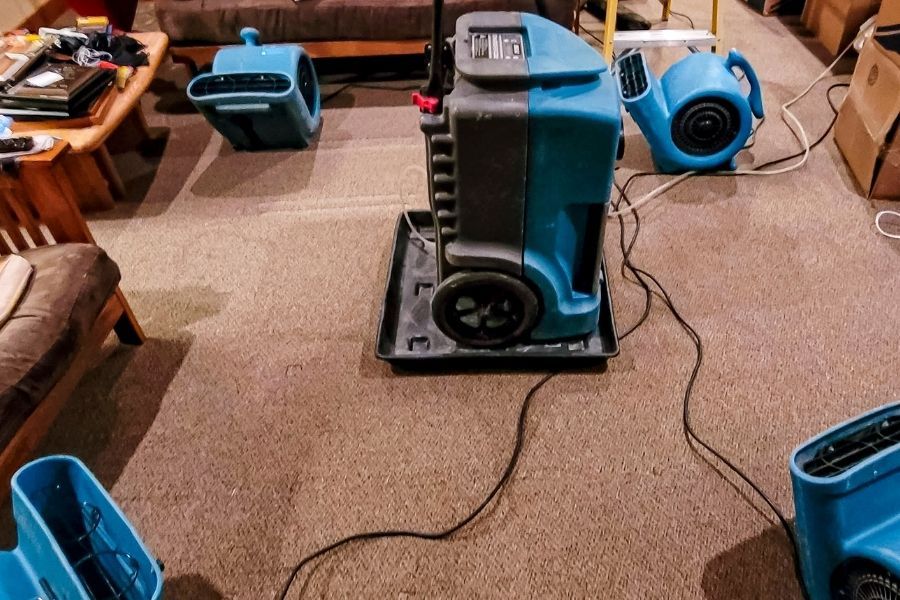
Big air movers and dehumidifiers pull water from spots household fans cannot reach.
Meters and cameras matter most. They find hidden water, so the crew dries the whole problem. The EPA notes that controlling indoor moisture is what keeps mold away. Miss that step, and leftover water leads to mold, which needs full mold remediation.
Watch for these red flags:
- Only fans and a wet vac in the truck
- No moisture meters or cameras
- No plan to find hidden water
Follow-up to ask: how will you prove my home is fully dry?
Question 5: Do You Handle Both Mitigation and Reconstruction?
One company for both the cleanup and the rebuild means one team answers for the whole job. Mitigation is the emergency work: pulling out water, drying, and tossing ruined materials. Reconstruction is putting your home back together. Some crews do only the first part, then hand off the rest.
When one team owns the job, nothing slips between the dry-out crew and the repair crew. Our team at Florida Fire & Flood handles the emergency work and the full damage reconstruction. So you never juggle two companies during a rough week.
Want the terms explained? Our post on mitigation versus remediation breaks it down.
Watch for these red flags:
- Vague answers about who does the repairs
- No clear handoff plan when a sub is involved
- Nobody who owns the job start to finish
Follow-up to ask: who is responsible for my home from day one to the last repair?
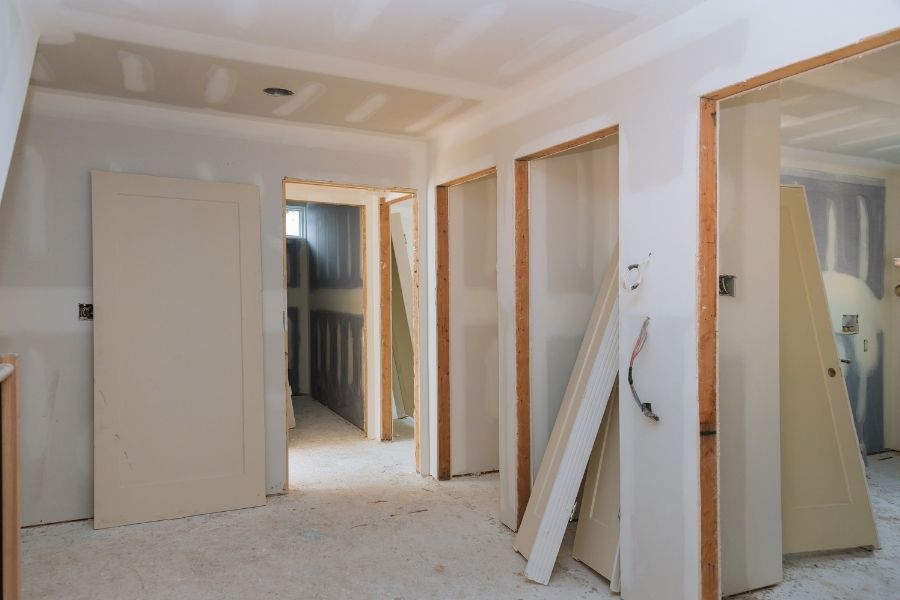
A company like Florida Fire & Flood that can rebuild, not just dry things out, saves you from juggling a second contractor once the demo is done.
Green-Flag Checklist: Signs You Found the Right Company
✓ Names its IICRC training and shows proof
✓ Writes Xactimate estimates for your adjuster
✓ Gives a real arrival window with a live person
✓ Uses big drying gear, moisture meters, and cameras
✓ Handles both the cleanup and the rebuild
The right questions protect your home and your wallet, so ask them before you sign. Our trained team at Florida Fire & Flood answers all five with proof. We are here 24/7 across Central Florida, so a free consultation is always a calm first step.
Frequently Asked Questions
Do I have to use the restoration company my insurance recommends?
No. In Florida, the choice is always yours to make. Your insurer might suggest a preferred vendor, but you are never required to use them.
Is the lowest quote usually the best deal?
Not always. A very low price can mean skipped drying steps or cheap gear. That often leads to bigger repair bills later.
Should a restoration company charge for the first visit?
Many good companies, including ours, offer a free consultation to start with. That covers a full look at the damage and a clear walk-through of your options before you commit to anything.
Can I switch restoration companies partway through the job?
Usually yes, but it gets messy with insurance and unfinished work. Better to ask up front.

Randy Lazarus
About The Author:
Randy Lazarus is the owner of Florida Fire & Flood, a locally owned and family-operated restoration company serving Central Florida communities since 2021. Leading a team of IICRC-certified technicians, Randy has built a reputation for providing 24/7 emergency response and compassionate service to homeowners and businesses facing water damage, fire damage, and mold emergencies. As a member of the Central Florida community, Randy understands the unique challenges property owners face in the region and is dedicated to helping his neighbors restore their properties and get back to normal life.
Read More:

Firefighting water soaks floors, walls, and ceilings far past the burn zone. Learn why extraction and drying must run alongside fire and smoke cleanup.
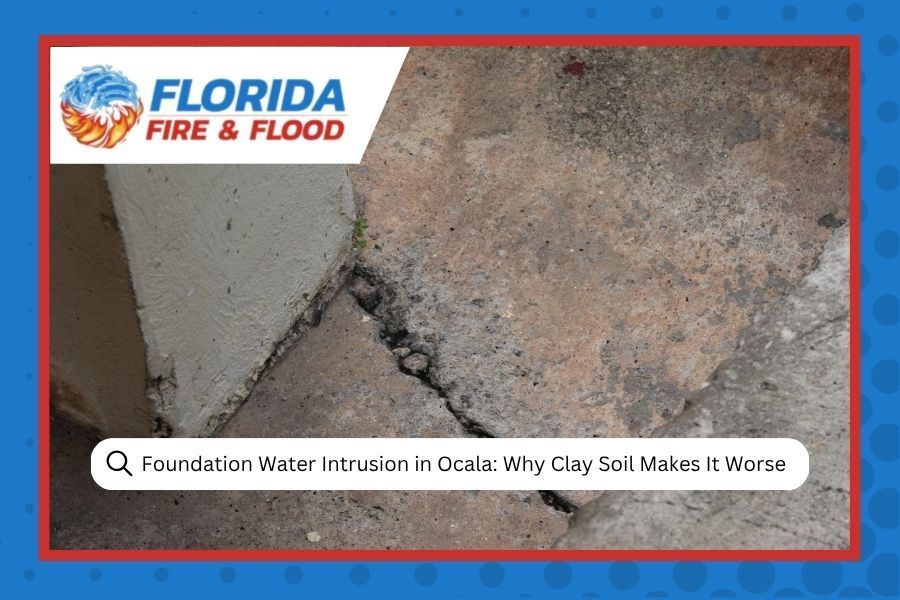
Foundation water intrusion in Ocala starts with clay soil. Learn the warning signs, how it differs from a plumbing leak, and when it is time to call us.
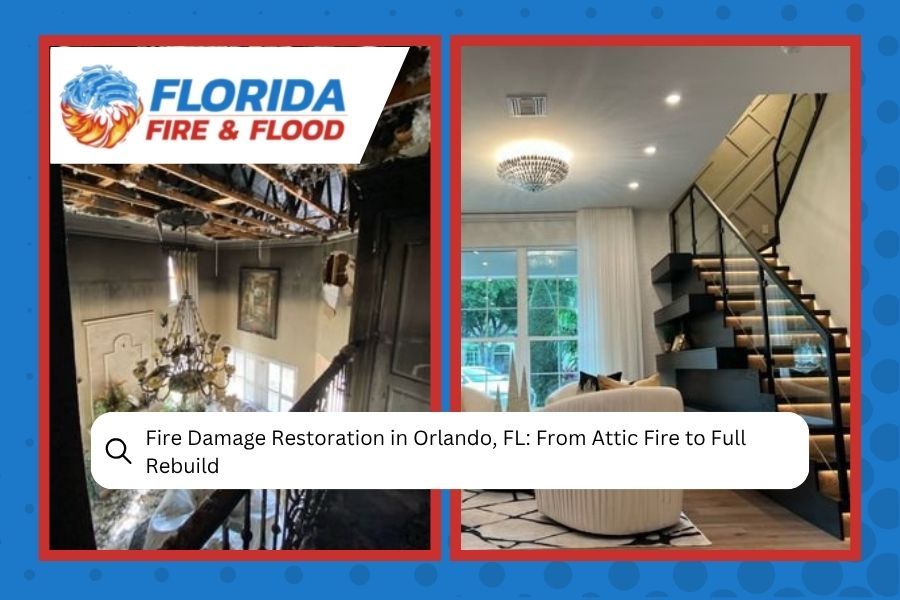
An attic fire took out the top floor of this Orlando home. See how our team rebuilt it, from the first tarp on the roof to finished kitchen and baths.
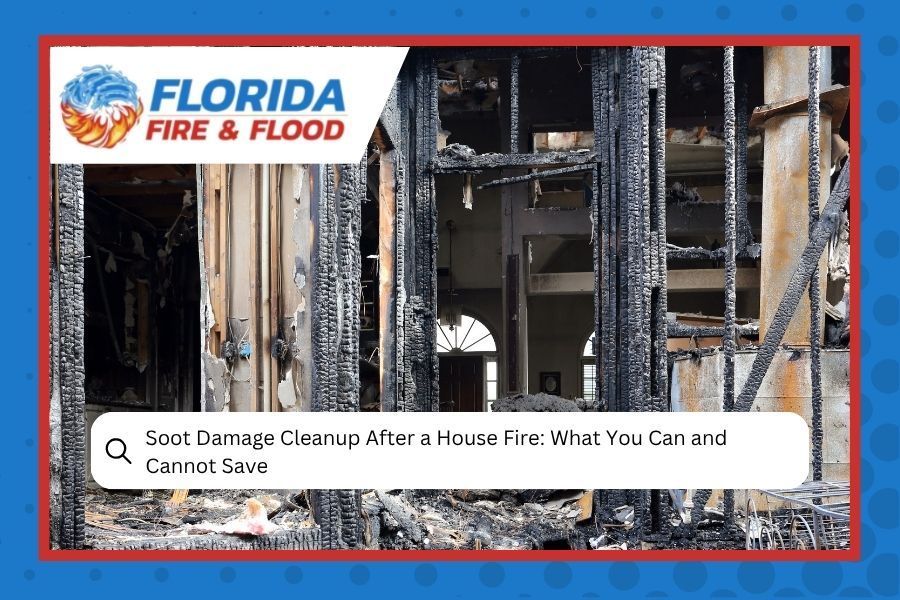
Soot damage cleanup after a house fire: learn what our IICRC certified team can save and what to replace, from textiles to electronics. Free consultation.
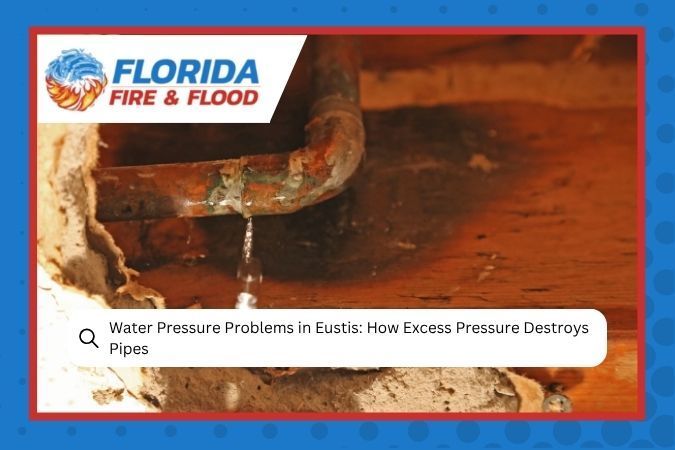
High water pressure damages pipes in Eustis homes. Learn the safe PSI range, regulator warning signs, and how to catch hidden leaks before they spread.

Wondering what water damage restoration costs in Lake County? Florida Fire & Flood breaks down pricing by water category, square footage, and scope.