
AMRT - Applied Microbial Technician I, (Mold Remediation)
Professional Sewage Cleanup Central Florida: Category 3 Water Handled Safely
Sewage cleanup means removing Category 3 water, the most contaminated kind, from a Central Florida home along with everything it soaked into. That water can carry bacteria, viruses, and parasites, so a backed-up toilet is never a mop-and-bleach job. Once the line is cleared, our IICRC-certified team at Florida Fire & Flood handles cleaning, disinfection, drying, and rebuilding.
What Pushes Sewage Back Into a House
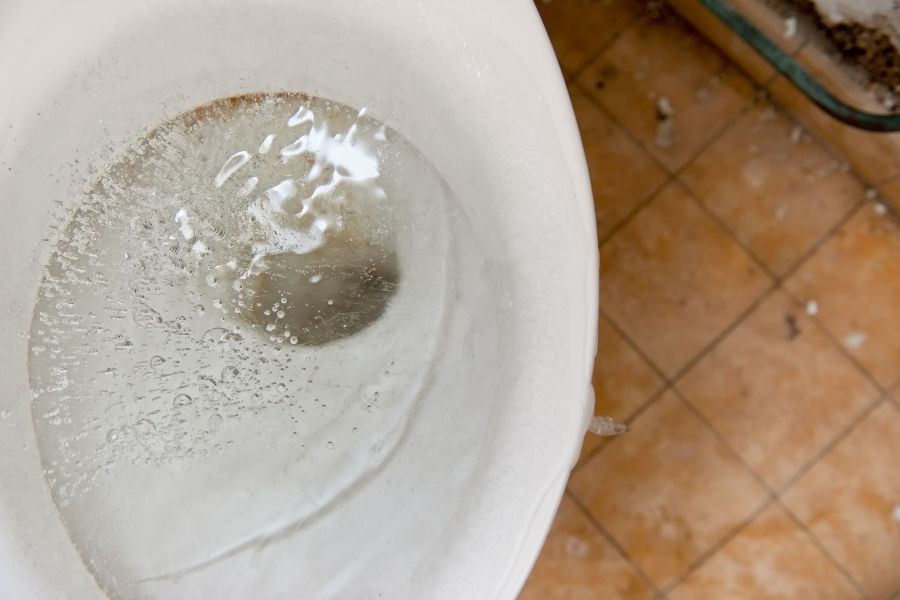
- Blocked drains from grease, wipes, or roots force waste up through the lowest fixture.
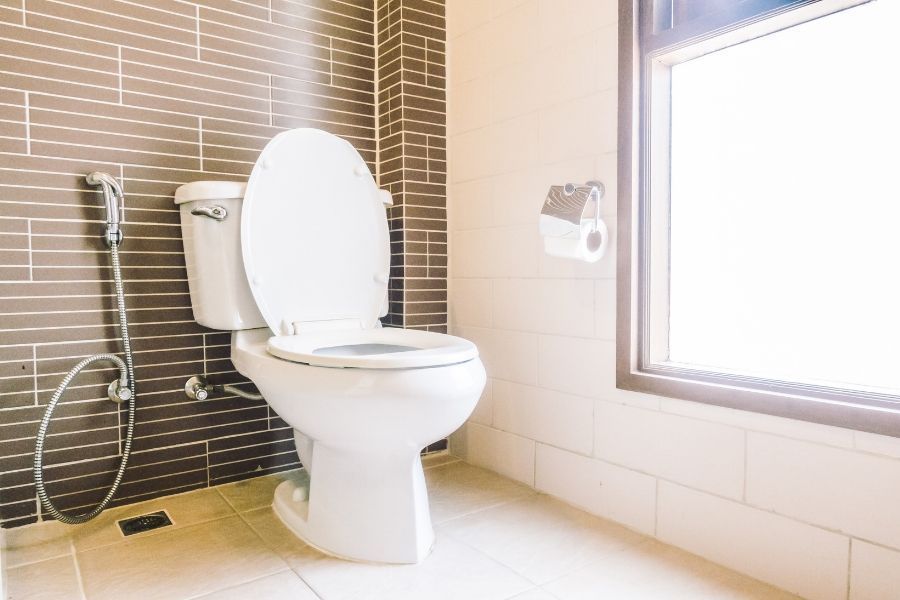
- Toilet backups happen when the line past the toilet is clogged.
- Septic problems, like a full tank or failing drain field, send waste back toward the house.
- Heavy rain can overwhelm lines and push water back up through drains.
Not every toilet overflow is sewage. Supply-line water starts out clean, and our toilet overflow cleanup service page covers both kinds.
Before the next summer storm, read our post on drain backup prevention during heavy rain.
Categories Measure Contamination, Not Volume
Restorers sort water damage into three categories. Category 1 starts clean, Category 2 carries some contamination, and Category 3 is grossly contaminated. A half-inch of sewage on a bathroom floor is still Category 3, while a ceiling full of supply-line water can be Category 1 if caught early.
Our breakdown of the different categories of water damage explains each one.
The categories come from the IICRC S500 water damage standard, the reference our technicians train on.
For sources and risks, read understanding Category 3 water damage.
Why Sewage Exposure Is a Health Risk
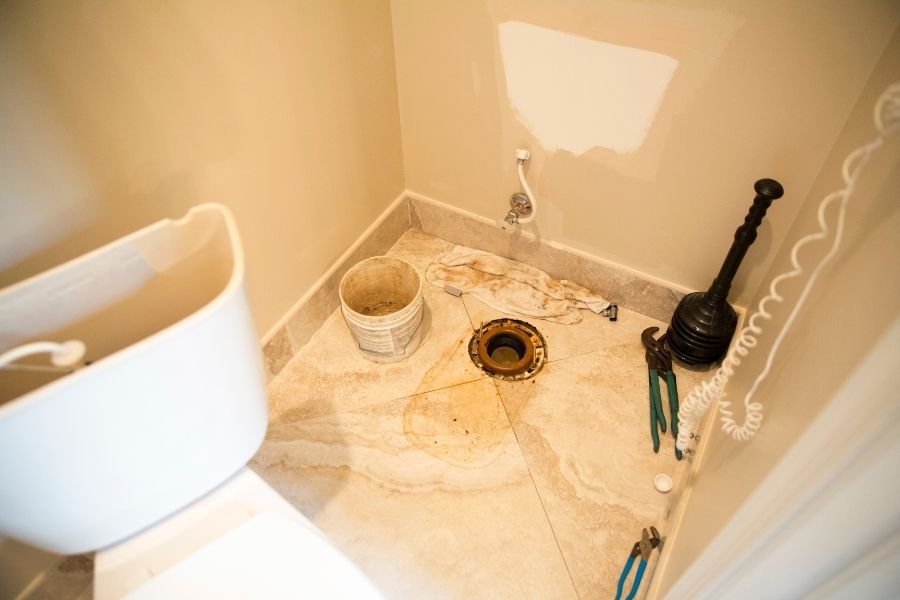
Pathogens in sewage can cause stomach illness and skin or wound infections. Young children, older adults, pregnant women, and anyone with a weakened immune system face the most risk. That's why our crew wears gloves, boots, eye protection, and respirators, and why porous materials soaked by sewage usually get removed instead of cleaned.
To lower the odds of a repeat, see our guide to understanding and preventing sewage backups.
What to Leave Alone Until We Arrive
- Stay out of the affected area, and keep kids and pets away.
- Don't flush, run faucets, or use the washer or dishwasher; anything that drains can push more waste up.
- Don't touch or try to rescue items sitting in sewage water.
- Skip fans and shop vacs, which can spread contamination.
- Stay away from wet outlets and appliances. Shut off power at the breaker only from a dry spot.
- Take photos from a safe distance for your insurer.
How We Clean Up After a Sewage Backup
The line gets fixed first. A plumber clears or repairs the drain; we clean, disinfect, dry, and rebuild. On one Eustis call, a camera inspection found the drain line obstructed by something drilled through it, so the plumbing fault had to be corrected before cleanup could hold.
- Line cleared: Your plumber stops the backup and confirms the drain flows.
- Protective setup: We contain the area and suit up.
- Removal: We extract the water and bag affected porous materials for disposal.
- Disinfection: Hard surfaces and framing are cleaned and treated with antimicrobials.
- Drying: Dehumidifiers and air movers run until readings confirm the structure is dry.
- Rebuild: We replace the drywall, cabinets, and flooring that came out.
Steps 5 and 6 follow the same playbook as our full water damage restoration service.
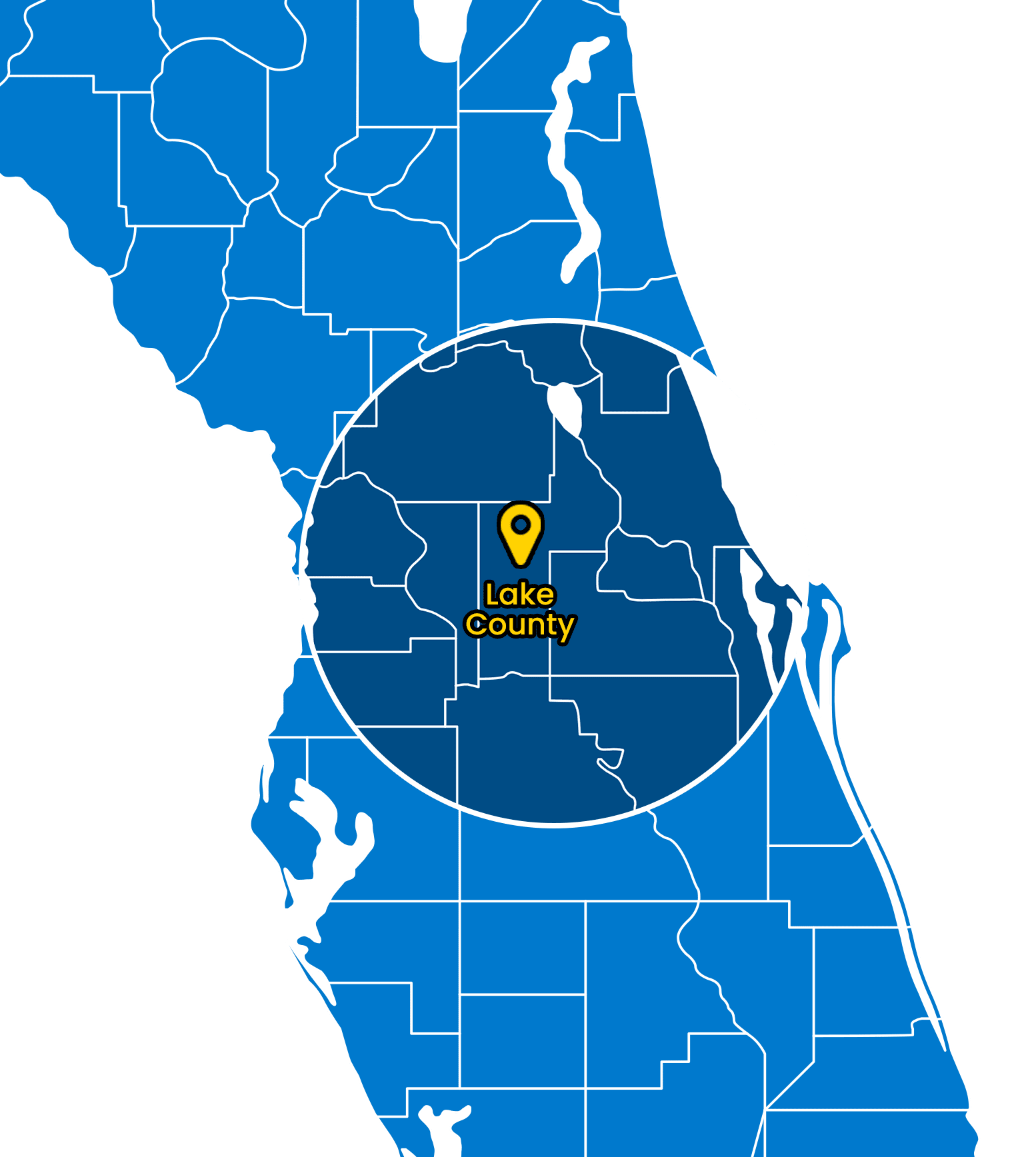
We provide sewage cleanup in Tavares, Ocala, The Villages, and towns throughout Lake, Sumter, Marion, and Orange counties.
Get Your Home Back After a Sewage Backup
It's one of the worst messes a house can have, and you shouldn't face it alone. We're available 24/7; tell us what happened, and we'll take it from there, starting with a Free Consultation.
Get A Free INSPECTION
By filling out the form below
Sewage Cleanup Questions, Answered
See Our Water Damage Restoration Work & Tips
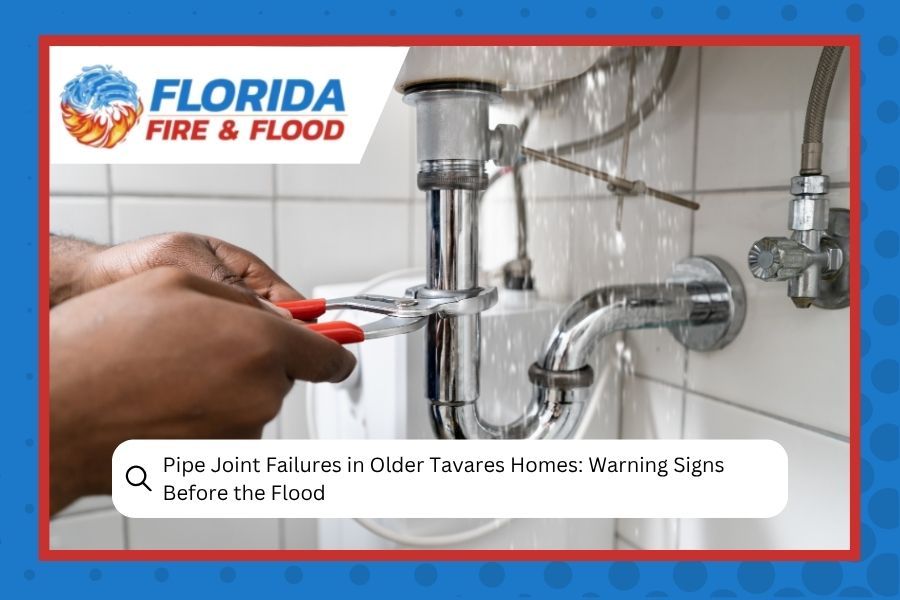
Catch pipe joint failure in your Tavares home early. Learn the warning signs for galvanized, copper, and CPVC pipes, plus a simple inspection schedule.
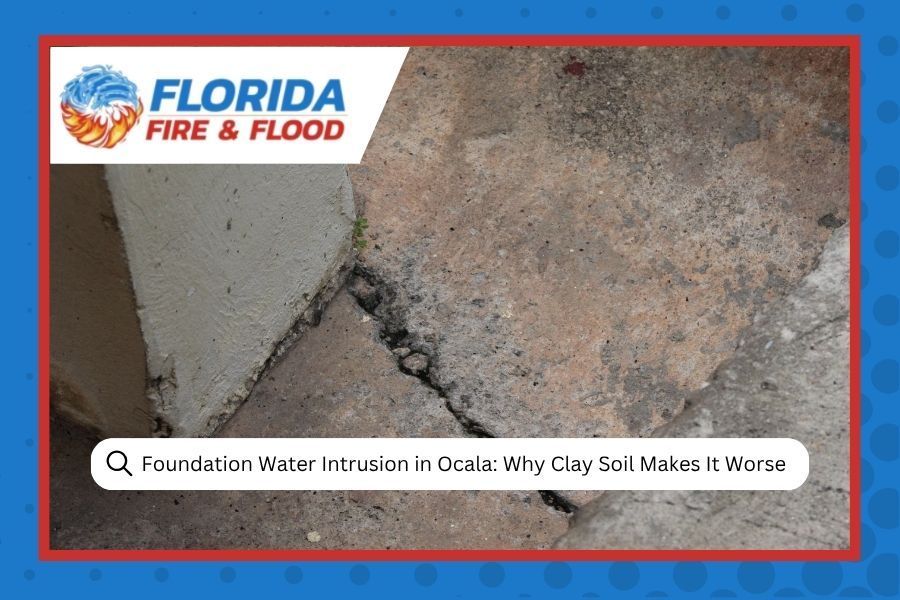
Foundation water intrusion in Ocala starts with clay soil. Learn the warning signs, how it differs from a plumbing leak, and when it is time to call us.
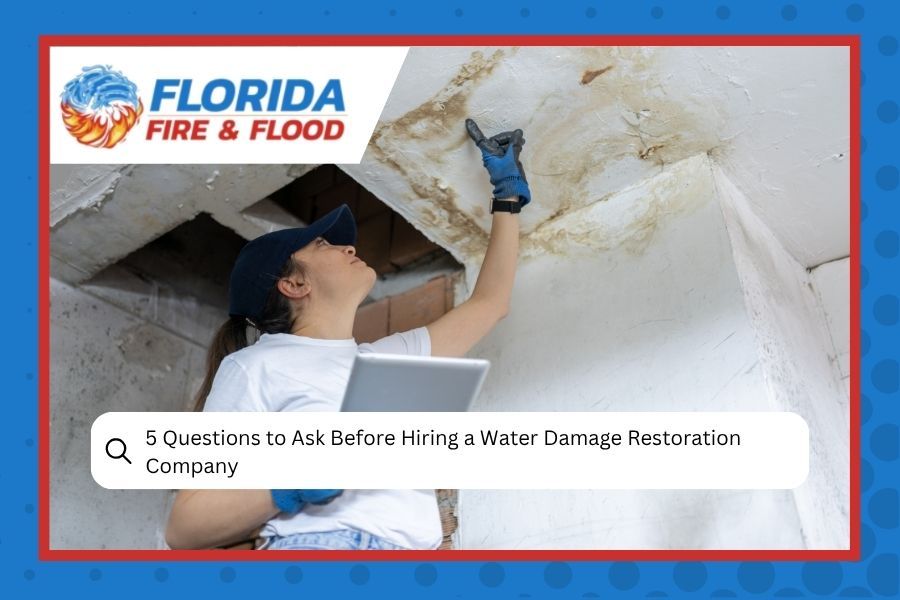
Hiring a water damage restoration company? Ask these 5 smart questions about certification, insurance, response time, gear, and repairs before you sign.