

AMRT - Applied Microbial Technician I, (Mold Remediation)
Can You Stay in Your Home During Mold Remediation?
June 25, 2026
Randy Lazarus
Jump To:
Can You Stay in Your House During Mold Remediation?
Sometimes yes, sometimes no. Whether you can stay home during mold remediation depends on the size of the project, how well the work area is contained, and who lives in the house. Our team at Florida Fire & Flood has worked mold jobs across Central Florida ranging from a single bathroom wall to whole-home contamination, and the right answer shifts with the situation.
Small, well-contained projects often let homeowners stay put. Larger jobs or households with health sensitivities can make temporary relocation the safer call.
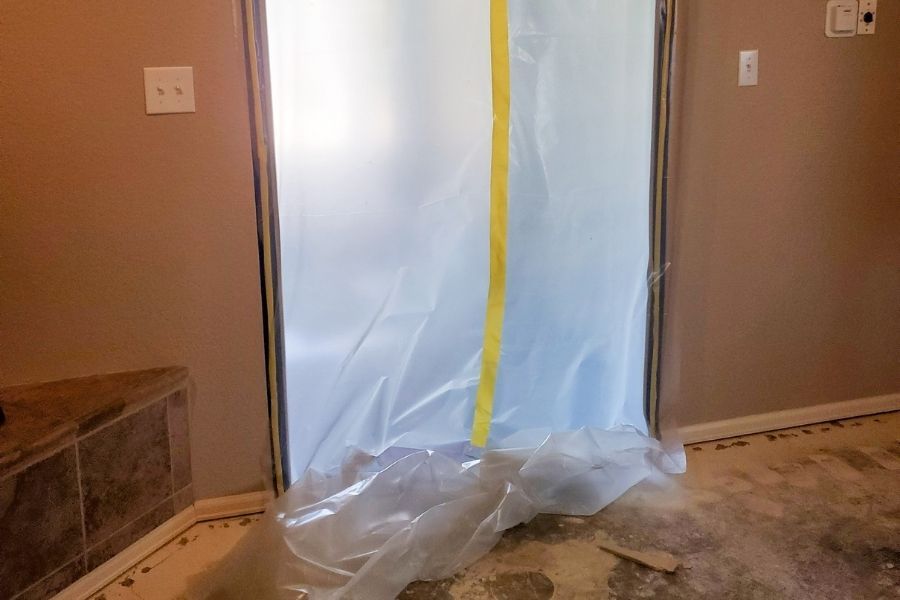
Proper containment is the first thing that determines whether staying home is realistic.
What Determines Whether It Is Safe to Stay Home?
Two factors mostly drive the decision: the size of the mold problem, and the people living in the house. Our IICRC certified technicians look at both before recommending anything.
Size and Scope of the Mold Problem
Mold projects typically fall into three buckets:
- Small isolated area like a bathroom wall, an under-sink cabinet, or a single closet
- Medium project affecting multiple materials or one larger room, such as a laundry room or part of a kitchen
- Large project involving multiple rooms, HVAC concerns, crawl spaces, attics, or widespread moisture damage
If the work touches your HVAC system or spans several rooms, the case for relocating gets stronger fast.
Who Lives in the Home
Even small jobs can warrant relocation when sensitive household members are involved. According to the CDC's guidance on mold and health, people with asthma, allergies, immune conditions, or chronic lung disease can react more strongly to mold and mold-related dust. Check with a healthcare provider if anyone in the home has:
- Asthma or other respiratory conditions
- Known mold allergies or sensitivities
- A weakened immune system
- Pregnancy considerations
Infants, young children, and elderly residents land in the "err on the safe side" group too. Our piece on the health risks of mold from water damage covers why these groups need extra consideration.
How Mold Containment Protects the Rest of Your House
Done right, mold remediation includes a containment setup that seals off the work area from your living space so spores and debris don't drift into clean rooms during the job. A solid containment plan usually includes:
- Plastic sheeting barriers around the work zone
- Sealed entry and exit points, often with a zippered door
- HEPA-filtered air scrubbers running continuously
- Negative air pressure inside the contained area
- Strict no-entry rules for anyone outside the crew
What Is Negative Air Pressure During Mold Remediation?
Negative air pressure is the trick that keeps mold from escaping the work area. In plain English: air gets pulled into the contained zone, run through HEPA filters, and exhausted out, instead of drifting back into the rest of the house. If the seal is good, nothing leaves the work area without going through a filter first.
The IICRC S520 Standard for professional mold remediation spells out exactly how this should be set up, and it's the playbook our crews follow on every job.
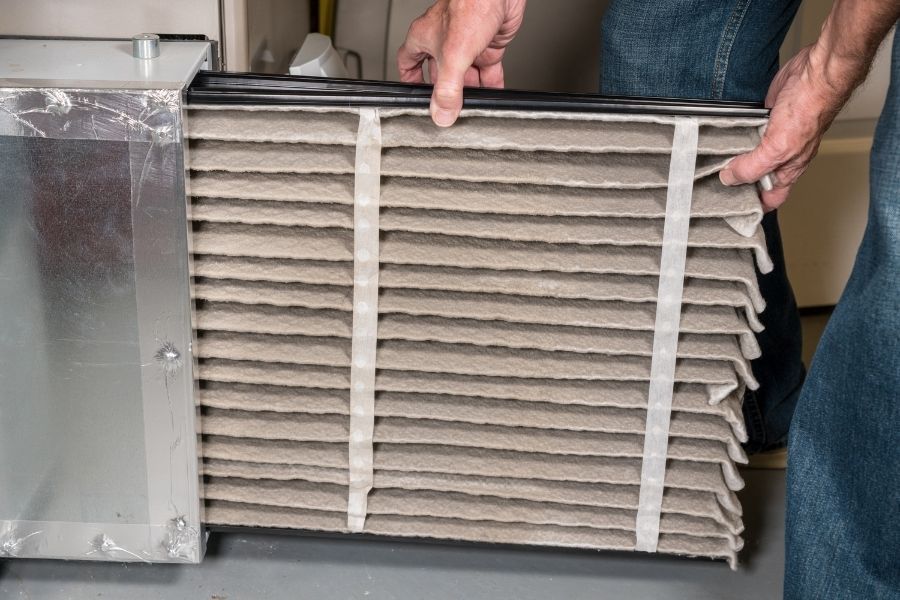
Filters get swapped before, during, and after the job so the HVAC system stops circulating spore-heavy air through the house.
Not Sure If Staying Home Is Right for Your Situation?
Our team can come look at the situation and tell you straight up whether staying home is realistic. No pressure, no jargon.
Schedule a Free ConsultationWhen Temporary Relocation May Be Recommended
There's no rulebook that says everyone has to leave, but some situations make stepping out easier and safer. We typically suggest relocation when:
- The mold problem covers multiple rooms or a large portion of the home
- The HVAC system is suspected of being contaminated
- Containment can't be set up effectively because of the home's layout
- Vulnerable household members would share space with active demolition
- Reconstruction work is needed alongside the remediation
For whole-home contamination, relocation is usually the only practical option. For everything else, it's a conversation, not a mandate.
How Long Does Mold Remediation Take?
Timelines depend on how widespread the mold is, what materials are affected, and whether reconstruction is part of the job. Here's what we typically see on Central Florida projects:
| Project Size | Typical Timeline | Stay Home? |
|---|---|---|
| Small (bathroom wall, under-sink, single closet) | 1 to 2 days | Usually yes |
| Medium (one full room, moderate demo) | 3 to 5 days | Often yes, with disruption |
| Large (multiple rooms, HVAC, attic, crawl space) | 1 to 2+ weeks | Often no |
Reconstruction adds time after the remediation portion wraps. If you also need water damage restoration because moisture caused the mold in the first place, that's another factor to fold into the schedule. For more on what typically drives mold growth, see our breakdown of the most common causes of mold.
What to Expect During the Process
If you do stay home, here's the honest preview:
- Equipment noise from air scrubbers and dehumidifiers, sometimes running 24/7
- A sealed-off section of your house you can't enter
- Restricted access to certain bathrooms, rooms, or HVAC vents
- Crew coming and going during scheduled work hours
- Pets need to stay clear of the contained area at all times
It's not a vacation, but it's manageable for most small to medium jobs.
Quick Reference: Lean Toward Relocation If...
- The affected area is bigger than one room
- HVAC contamination is suspected
- A household member has asthma, allergies, or immune issues
- Containment can't be installed effectively in your space
- The job includes reconstruction alongside remediation
Talk to a Mold Remediation Professional Before the Work Begins
The "can I stay?" question is one of the first things worth settling once you know mold is in the home. A walkthrough makes the answer clear. We'll explain the scope, the containment plan, the timeline, and what staying home would actually look like for your situation. If staying isn't the right call, we'll tell you. Want to prevent the moisture that feeds these problems in the first place? Our guide on how to prevent mold in your Florida home covers the sources we see most often.
Frequently Asked Questions
Do I need to leave my home during mold remediation?
Not always. Small, well-contained projects usually allow homeowners to stay if no one in the household has health sensitivities. Larger jobs, HVAC contamination, or vulnerable family members may make temporary relocation the better choice.
Can my pets stay home during mold remediation?
Pets can stay in the home if kept completely away from the contained work area. Some pets do better elsewhere because of the equipment noise. We'll help you think it through during the walkthrough.
How long does mold remediation take?
Small projects usually wrap in 1 to 2 days, medium projects run 3 to 5 days, and larger jobs involving multiple rooms or HVAC can stretch 1 to 2 weeks or more. Reconstruction adds time after the remediation portion is complete.
What if I need mold testing or clearance testing?
Florida requires mold testing and post-remediation clearance testing to be performed by a licensed mold assessor or industrial hygienist, separate from the remediation company. We coordinate with trusted local hygienists so the testing piece is handled correctly.

When the work covers multiple rooms or affects shared HVAC zones, a few nights elsewhere is usually the easier call.

Randy Lazarus
About The Author:
Randy Lazarus is the owner of Florida Fire & Flood, a locally owned and family-operated restoration company serving Central Florida communities since 2021. Leading a team of IICRC-certified technicians, Randy has built a reputation for providing 24/7 emergency response and compassionate service to homeowners and businesses facing water damage, fire damage, and mold emergencies. As a member of the Central Florida community, Randy understands the unique challenges property owners face in the region and is dedicated to helping his neighbors restore their properties and get back to normal life.
Read More:

Firefighting water soaks floors, walls, and ceilings far past the burn zone. Learn why extraction and drying must run alongside fire and smoke cleanup.
Foundation water intrusion in Ocala starts with clay soil. Learn the warning signs, how it differs from a plumbing leak, and when it is time to call us.
An attic fire took out the top floor of this Orlando home. See how our team rebuilt it, from the first tarp on the roof to finished kitchen and baths.
Soot damage cleanup after a house fire: learn what our IICRC certified team can save and what to replace, from textiles to electronics. Free consultation.
Hiring a water damage restoration company? Ask these 5 smart questions about certification, insurance, response time, gear, and repairs before you sign.
High water pressure damages pipes in Eustis homes. Learn the safe PSI range, regulator warning signs, and how to catch hidden leaks before they spread.