
AMRT - Applied Microbial Technician I, (Mold Remediation)
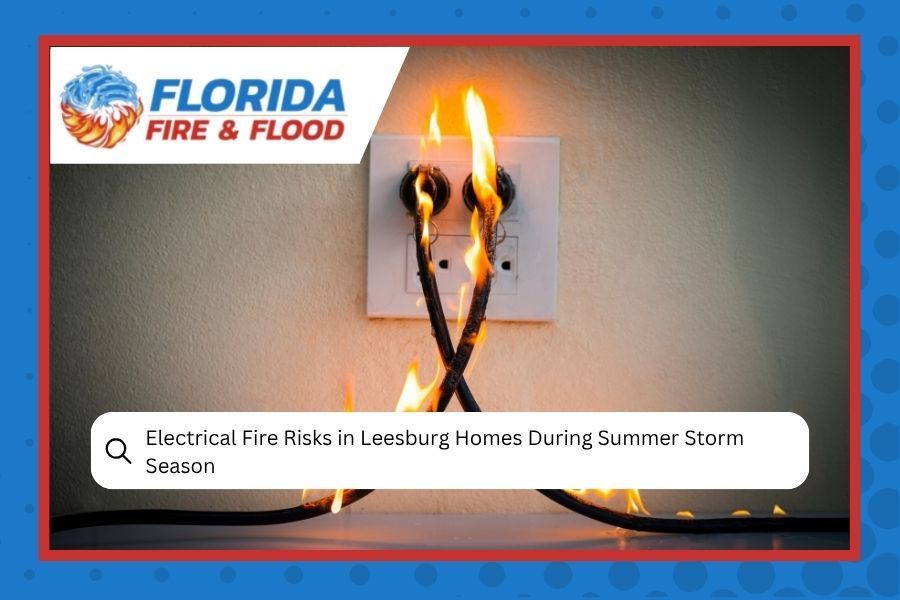
Electrical Fire Risks in Leesburg Homes During Summer Storm Season
July 9, 2026
Randy Lazarus
Jump To:
Florida summers are gorgeous right up until the sky opens up. For homeowners facing electrical fire risks in Leesburg, summer storm season is a real hazard. Florida leads the country in lightning strikes, and that electrical activity puts serious stress on your home's wiring, outlets, and appliances. Most of these risks are preventable. Here's what to know.
Why Florida Storms Are Hard on Your Electrical System
Between June and September, afternoon storms roll through Lake County almost daily. The problem isn't just a direct strike. Surges from nearby lightning quietly damage wiring insulation and push older appliances past their limits. According to the U.S. Fire Administration, electrical fires cause thousands of residential fires every year, and Florida's storm-heavy climate keeps it near the top of the list.
Already dealing with fire damage after a storm? Our IICRC-certified team at Florida Fire & Flood LLC responds within the hour, handles damage assessment and full reconstruction, and works directly with your insurance company.
Get a Free Consultation7 Electrical Fire Risks Leesburg Homeowners Should Know This Summer
Some hazards announce themselves. Most don't. These catch homeowners off guard every storm season.
1. Power Surges and Unprotected Electronics
A surge can damage wiring in your walls in seconds. Power strips aren't sufficient. A whole-home surge protector at the panel is the right call for Florida storm season.
2. Overloaded Circuits During AC Peak Hours
AC systems run hardest when heat and humidity peak during storms. Running multiple high-draw appliances on an older panel pushes circuits toward overheating.
3. Outdated Wiring in Older Leesburg Homes
Many Leesburg homes were built in the 1970s and 1980s. Older aluminum wiring degrades faster under surge stress. If it's been a decade since your last electrical inspection, schedule one.
4. Water Intrusion Near Electrical Panels or Outlets
Heavy rain finds gaps in rooflines, windows, and siding. Water near electrical components is a recurring Florida summer risk that's easy to miss until it's too late.
5. Damaged or Missing GFCI Outlets in Wet Areas
GFCI outlets degrade in humid climates. Test yours monthly and replace any that don't respond.
6. Storm-Damaged Trees and Downed Power Lines
A downed line near your home affects everything connected to your electrical system. Don't touch anything. Call your utility company and wait for the all-clear.
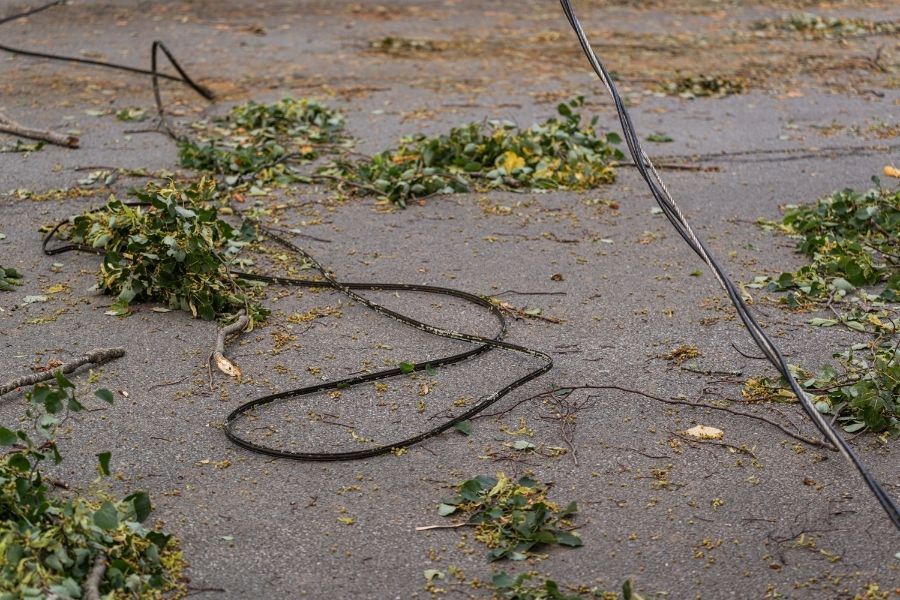
Downed power lines from storm-damaged trees are one of the most serious electrical hazards Central Florida homeowners face each summer.
7. Improperly Stored Generators
Never run a generator indoors or in a garage. Keep it at least 20 feet from the house to avoid carbon monoxide buildup and fire risk.
Quick Fact: Florida's Lightning Risk by the Numbers
- Florida averages more than 1.4 million lightning strikes per year, the most of any U.S. state.
- Central Florida's "Lightning Alley" runs from Tampa to Titusville, passing through Lake County.
- Most residential electrical fires occur between June and September, Florida's peak storm months.
Warning Signs of Electrical Fire Risk You Shouldn't Ignore
Your home signals trouble before something goes seriously wrong. Watch for these after any storm.
| Warning Sign | What It Could Mean | Urgency |
|---|---|---|
| Flickering or dimming lights | Loose wiring or overloaded circuit | High |
| Burning smell near outlets or panel | Insulation burning on wires | Immediate |
| Outlets warm to the touch | Overloaded circuit or faulty wiring | High |
| Breakers that trip repeatedly | Circuit overload or short circuit | High |
| Sparks when plugging in devices | Damaged outlet or wiring | Immediate |
| Buzzing sounds from walls or panel | Arcing electricity in wiring | Immediate |
Anything "Immediate" means shut off the circuit and call a licensed electrician now. Don't wait on "High" items either.
Summer Storm Electrical Fire Prevention for Florida Homes
Good electrical fire prevention in Florida homes is mostly consistent habits. Run through this before peak storm season in Leesburg.
- Install a whole-home surge protector at your electrical panel
- Test GFCI outlets monthly and replace any that don't respond
- Schedule an electrical panel inspection if your home is more than 20 years old
- Trim trees near the home before storm season peaks
- Unplug non-essential electronics when storms are approaching
- Keep generators outdoors and at least 20 feet from the house
- Know where your main breaker is and how to shut it off fast
The National Fire Protection Association recommends a wiring inspection any time you notice repeated breaker trips, flickering lights, or discolored outlets.
If a storm causes fire or smoke damage, Florida Fire & Flood LLC is ready. IICRC certified, locally owned, and available 24/7 for fire damage restoration, smoke cleanup, and full reconstruction.
Explore Our Restoration ServicesWhat to Do Right After a Major Summer Storm in Leesburg
Before flipping a breaker or plugging anything back in, do a quick safety sweep first.
Step 1: Walk the Perimeter Before Restoring Power
Check for downed lines or debris near your panel. If anything looks wrong, call your utility company before touching anything electrical.
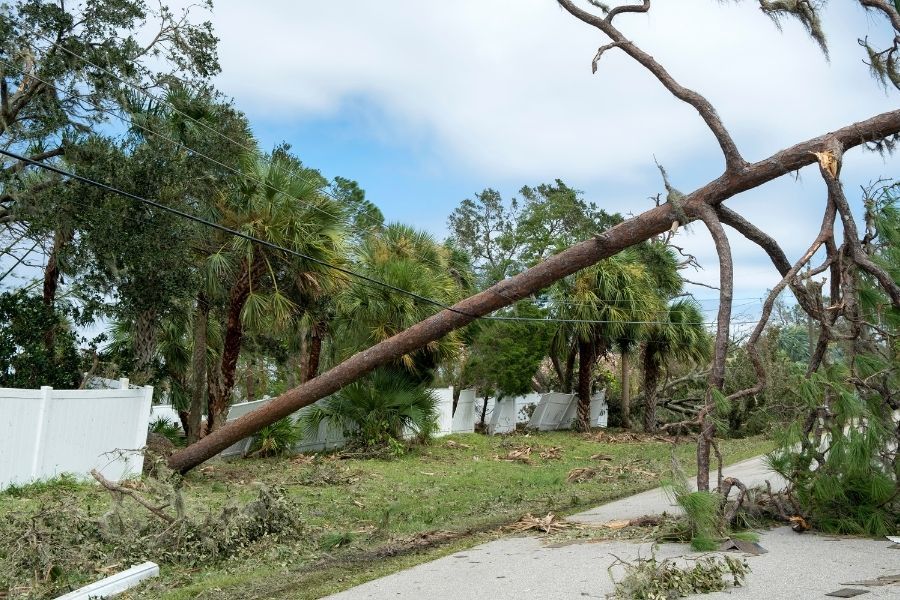
Walk the full perimeter before restoring power. Fallen trees and debris near electrical components are a serious hazard.
Step 2: Smell-Check Before Entering Fully
A burning plastic smell at the door is a red flag. Shut off the main breaker from outside and call a licensed electrician before going in.
Step 3: Check for Water Near Electrical Components
Look around your panel, under sinks, and in the garage. Water near wiring needs attention before power is restored. Document with photos before touching anything since that supports your insurance claim.
Step 4: Call for Help if There's Fire or Smoke Damage
Smoke residue keeps causing damage after flames are out. Professional fire and smoke damage restoration covers soot removal, deodorization, structural drying, and reconstruction. The sooner a team arrives, the better.
More Storm Season Resources
- Lightning Strike Fire Damage in Florida: What to Do in the First 60 Minutes
- Crawl Space Moisture Control Before Summer: A Florida Homeowner's Pre-Summer Checklist
- 6 Places Mold Hides in Clermont Homes Every Summer
Frequently Asked Questions
What makes electrical fire risks higher in Leesburg during summer storm season?
Leesburg sits in Central Florida's lightning corridor. Frequent surges, high humidity, and aging infrastructure make summer the most hazardous season for residential electrical systems in Lake County.
Can a power surge from a storm actually cause a house fire?
Yes. A surge overheats wiring insulation inside your walls, and damaged insulation can smolder for hours before igniting. Flickering lights or a burning smell after a storm are signs worth acting on immediately.
What's the difference between a power strip and a whole-home surge protector?
Power strips offer minimal protection. A whole-home surge protector at your panel covers every outlet and circuit in the house at once, which is what Florida storm season calls for.
If a storm causes fire damage to my home, will Florida Fire & Flood LLC work with my insurance company?
Yes. Our team handles documentation and damage assessment directly with your insurance carrier. We offer a free consultation and respond within the hour. Give us a call anytime, day or night.
Florida's storm season doesn't wait, and neither do we. If a storm has caused fire, smoke, or water damage in Leesburg, Eustis, Mount Dora, or anywhere in Central Florida, our IICRC-certified team at Florida Fire & Flood LLC is available around the clock.
See How We Serve Leesburg
Randy Lazarus
About The Author:
Randy Lazarus is the owner of Florida Fire & Flood, a locally owned and family-operated restoration company serving Central Florida communities since 2021. Leading a team of IICRC-certified technicians, Randy has built a reputation for providing 24/7 emergency response and compassionate service to homeowners and businesses facing water damage, fire damage, and mold emergencies. As a member of the Central Florida community, Randy understands the unique challenges property owners face in the region and is dedicated to helping his neighbors restore their properties and get back to normal life.
Read More:
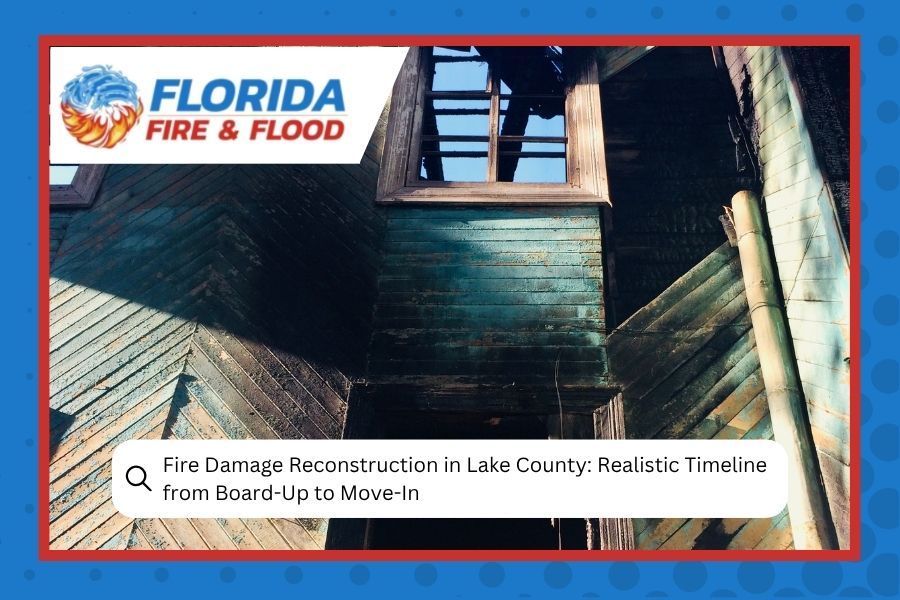
See the fire damage reconstruction timeline Lake County homeowners can expect, from board-up to move-in, plus the permit and insurance delays to plan for.

Firefighting water soaks floors, walls, and ceilings far past the burn zone. Learn why extraction and drying must run alongside fire and smoke cleanup.
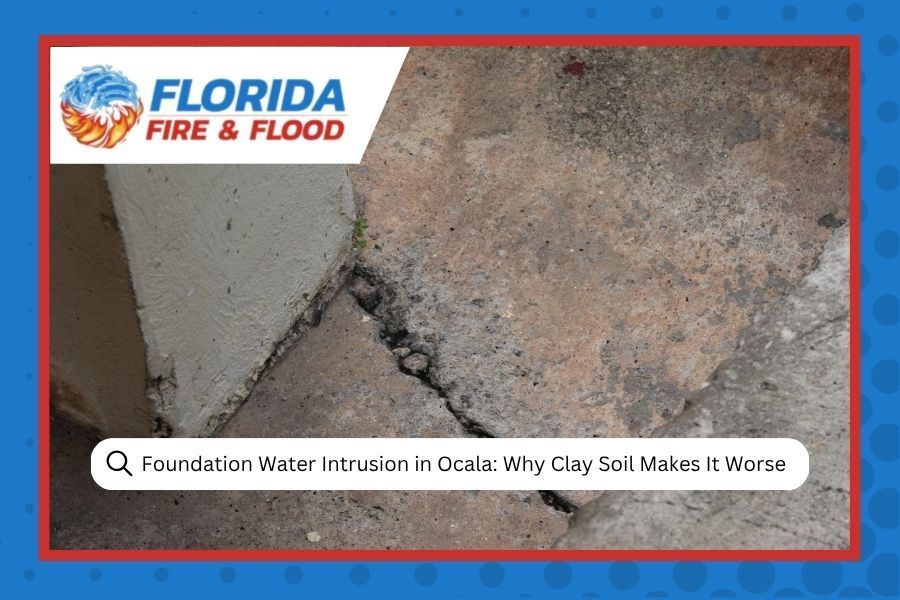
Foundation water intrusion in Ocala starts with clay soil. Learn the warning signs, how it differs from a plumbing leak, and when it is time to call us.
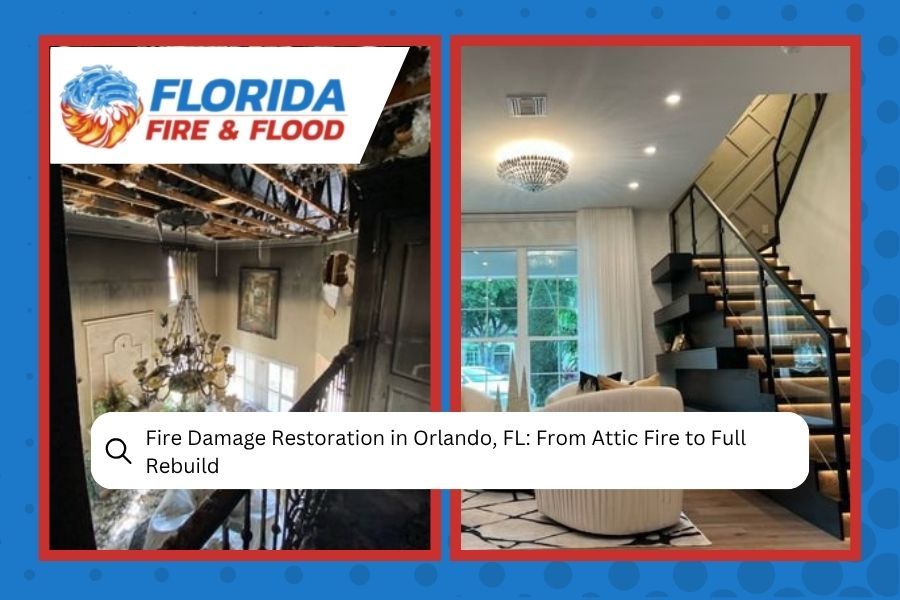
An attic fire took out the top floor of this Orlando home. See how our team rebuilt it, from the first tarp on the roof to finished kitchen and baths.
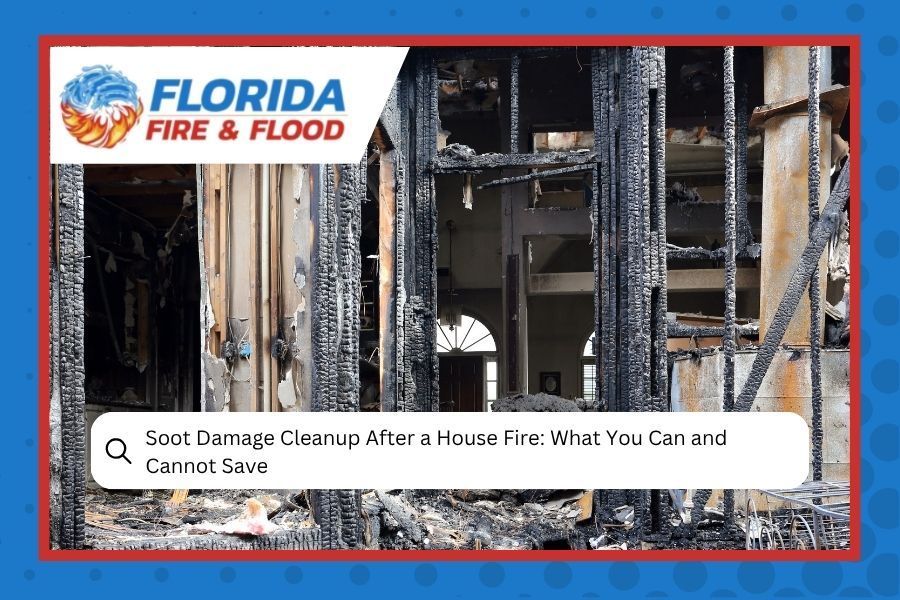
Soot damage cleanup after a house fire: learn what our IICRC certified team can save and what to replace, from textiles to electronics. Free consultation.
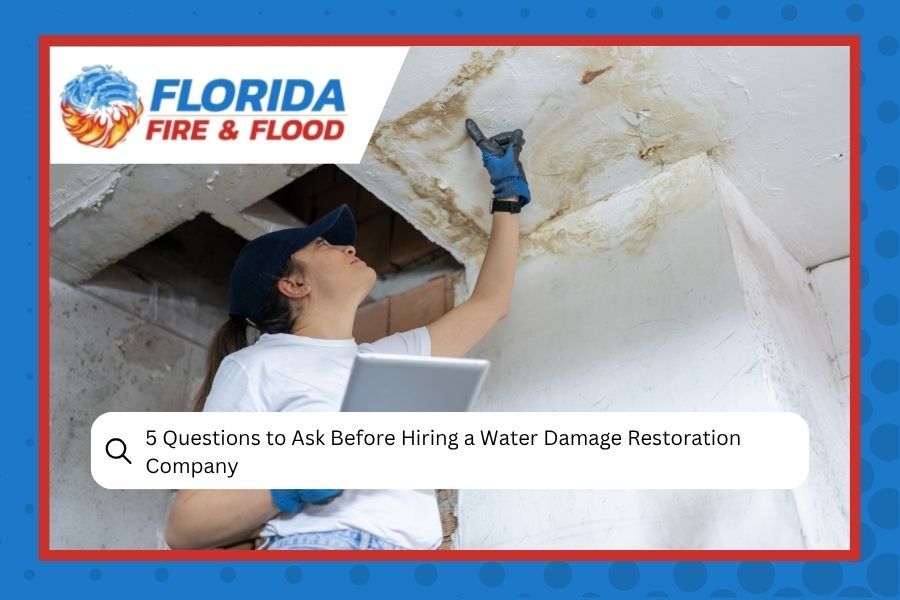
Hiring a water damage restoration company? Ask these 5 smart questions about certification, insurance, response time, gear, and repairs before you sign.