

AMRT - Applied Microbial Technician I, (Mold Remediation)
What Happens During Professional Water Extraction (Timeline and Process)
May 28, 2026
Randy Lazarus
Jump To:
The professional water extraction process starts the moment you call and runs through a structured five-stage workflow: dispatch, assessment, extraction, structural drying, and daily monitoring until your home hits verified dry standards. At Florida Fire & Flood, our IICRC-certified team typically reaches Central Florida homes within an hour, and most single-room jobs wrap up in three to five days. If you're dealing with a sudden flood or slow leak right now, our professional water damage restoration crew handles every step so you don't have to guess what comes next.
Most homeowners have never watched a water extraction happen start to finish. The truck pulls up, hoses come out, equipment gets placed, and then… what exactly? Here's the honest walkthrough of what we're doing in your home and why each step matters.
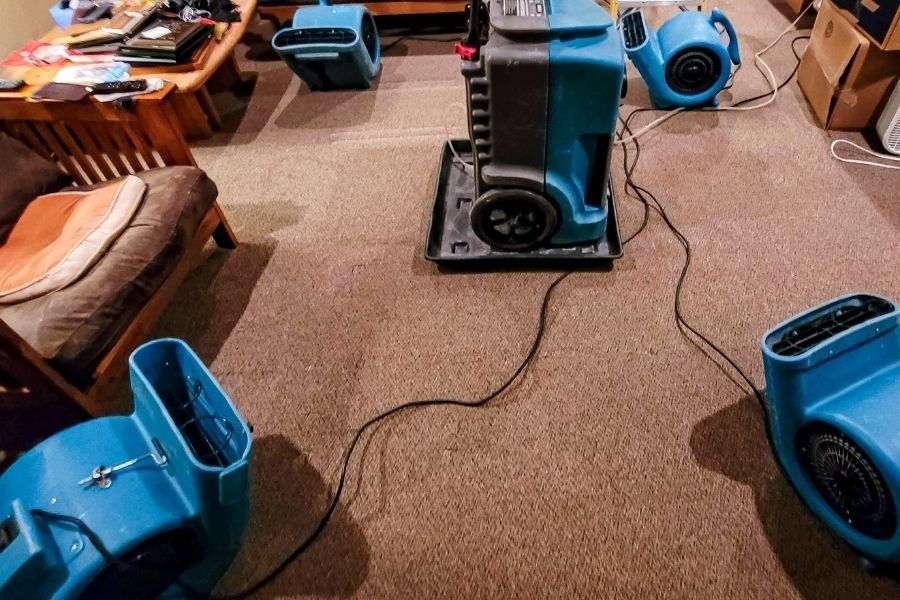
Once the extractor finishes the bulk pull, the air movers and the dehu take over for the slower drying phase.
The First Call: What Happens Before We Arrive
When you call our 24/7 line, we start triaging and dispatching before you hang up. A human answers, asks a handful of quick questions, and gets a crew rolling toward your address. The questions aren't filler. They tell technicians what equipment to load and which building materials to plan around.
We'll ask a few quick things: water source (clean supply line, dishwasher, sewage, storm), how long it's been flowing, and your flooring type. If you can safely shut the main water valve, we'll walk you through it. Power near standing water? Stay out until we arrive.
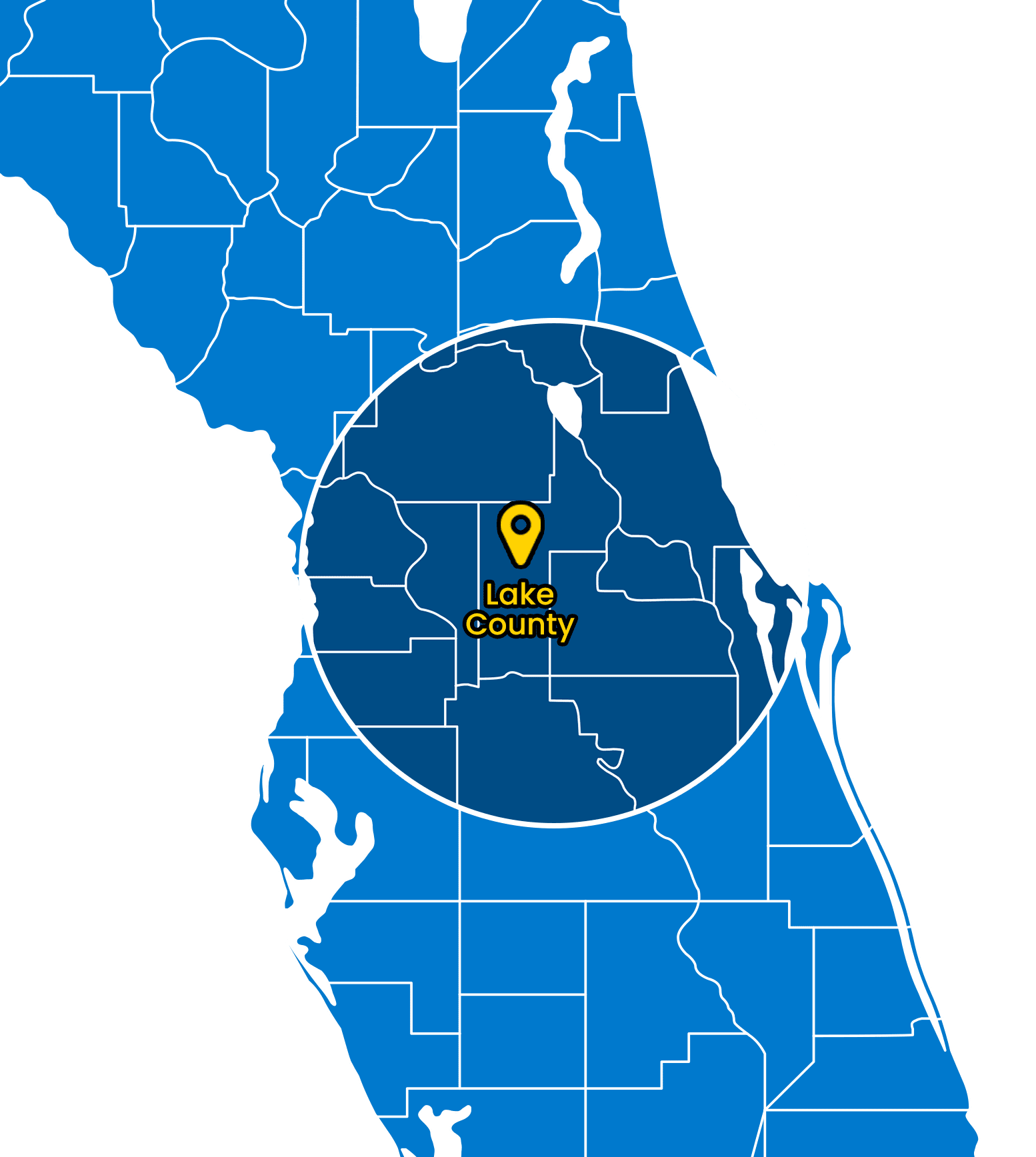
Our target response is one hour across Lake, Orange, Sumter, Marion, and Citrus Counties. Every hour that water sits is another hour it's wicking into baseboards, subfloor, and the bottom plate of your drywall.
On-Site Assessment: Reading Damage You Can't See
Before a single hose turns on, we map the damage with moisture meters and thermal imaging cameras. Standing water is obvious. The problem is what's already wicked into wall cavities, under cabinets, and down into the subfloor. A visual check misses about half of the real wet area on a typical job.
Our lead tech walks the affected area with a pinless moisture meter. It reads moisture content through flooring and drywall without punching holes. Thermal imaging shows temperature differences that usually mean hidden moisture, so we can spot a wet patch two feet up a wall that looks dry to the naked eye.
We're also making a water classification call at this stage. Per the IICRC S500 water damage restoration standard, water falls into Category 1 (clean), Category 2 (gray), or Category 3 (black). That call drives everything downstream: what stays, what gets removed, and how deep the cleaning goes. Our breakdown of the different categories of water damage has more detail.
Setting Up Extraction: Truck-Mounted vs. Portable
Extraction is the physical removal of standing and absorbed water. The equipment we use depends on how much water is in the home and how far we can run hose. Truck-mounted extractors are our default for larger jobs. They pull more suction than portable units and dump into the truck's holding tank.
For upper floors, back rooms, or homes where we can't run hose from the driveway, portable extractors come inside on wheels. Both units use weighted extraction wands that press the carpet pad and squeeze water out of the cushion beneath.
Water still sitting in your home?
Every hour counts. Our Tavares-based team can typically be at your door within 60 minutes.
Request a Free ConsultationFor Category 2 or 3 water, extraction usually pairs with controlled removal of porous materials, carpet pad, baseboards, and sections of drywall that can't be saved. The EPA's flooded homes cleanup guidance explains why contaminated materials can't be dried in place.
Moisture Mapping and Drying Equipment Placement
Once the bulk water is out, we switch from extraction to structural drying, and equipment placement becomes its own skill. The goal is simple: airflow across every wet surface, plus dehumidifiers pulling moisture out faster than the materials can release it. Too few machines and drying stalls. Too many and you've wasted electricity.
A typical setup uses air movers (industrial fans) aimed low along wet walls, plus at least one LGR dehumidifier per affected area. For saturated hardwood or tile over subfloor, we often add a floor drying system that pulls air through the flooring directly.
Air scrubbers with HEPA filtration run alongside the drying equipment to capture airborne particles, and if mold is already present we'll flag whether professional mold remediation needs to run in parallel. Most Category 1 jobs take three to five days of structural drying.
Daily Monitoring Through Clearance
We don't just drop equipment and disappear. A tech returns every 24 hours to take moisture readings, adjust equipment, and document progress. Each visit creates a moisture log showing readings drop toward dry standard for each material. That log becomes part of your insurance file.
Drywall hits dry standard around 16% moisture content, and hardwood lands somewhere between 8 and 12% depending on species. When readings hold at or below dry standard for two consecutive checks, we pull the equipment and close out the mitigation phase. Our guide on how long your home takes to dry breaks this down further by material.
The Full Extraction Timeline at a Glance
| Stage | Typical Duration | What's Happening |
|---|---|---|
| Dispatch + Response | Within 1 hour | Triage call, crew loaded, truck rolling |
| Assessment + Classification | 30 to 60 minutes | Moisture mapping, thermal imaging, water category call |
| Water Extraction | 2 to 6 hours | Truck-mounted or portable extraction, material removal |
| Structural Drying | 3 to 5 days | Air movers, dehumidifiers, air scrubbers running 24/7 |
| Daily Monitoring | Daily until clearance | Moisture readings logged, equipment adjusted |
If you're staring at standing water right now, our team is on call 24/7 across Central Florida. Knowing what to expect makes the whole process less stressful.
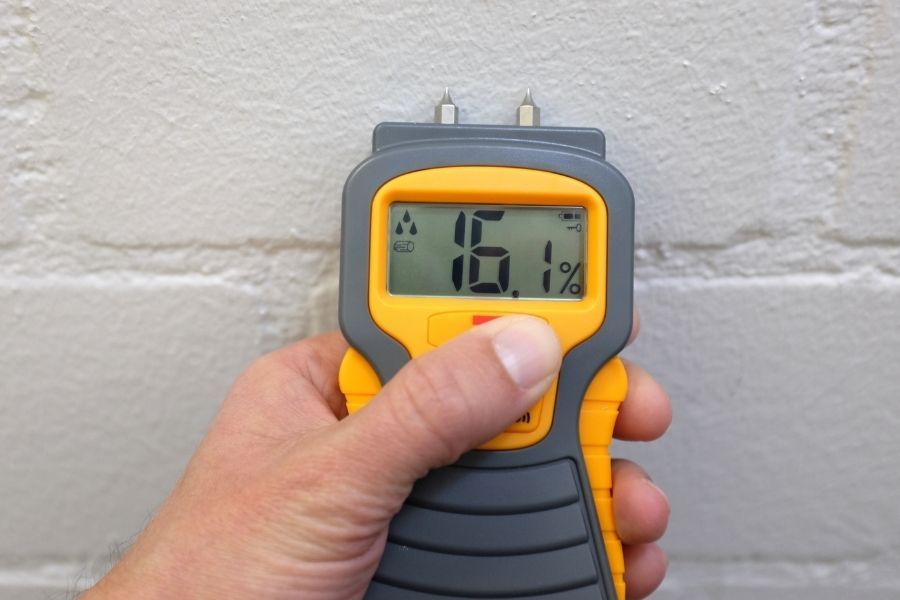
A reading like 16.1 percent in a wall that should be much drier tells our team exactly where to focus the extraction.
Frequently Asked Questions
How long does professional water extraction actually take?
The extraction itself usually runs two to six hours for a typical residential job, depending on square footage and how much water has soaked into flooring. Structural drying adds another three to five days before clearance.
Do I need to leave my house during extraction and drying?
For Category 1 clean water jobs, most homeowners stay in unaffected rooms. Category 2 and 3 jobs, especially those involving sewage, usually require temporary relocation until affected areas are cleared.
Why can't I just rent a wet-vac and do this myself?
Shop vacs pull surface water but leave carpet pad and subfloor saturated, which is where mold starts growing within 24 to 48 hours. Truck-mounted extractors and calibrated drying equipment are what actually get a home to verified dry standard.
Will my insurance cover professional water extraction?
Most homeowners policies cover sudden and accidental water damage, which includes professional extraction and drying. We work directly with most major carriers and document every step so your claim moves smoothly.

Randy Lazarus
About The Author:
Randy Lazarus is the owner of Florida Fire & Flood, a locally owned and family-operated restoration company serving Central Florida communities since 2021. Leading a team of IICRC-certified technicians, Randy has built a reputation for providing 24/7 emergency response and compassionate service to homeowners and businesses facing water damage, fire damage, and mold emergencies. As a member of the Central Florida community, Randy understands the unique challenges property owners face in the region and is dedicated to helping his neighbors restore their properties and get back to normal life.
Read More:
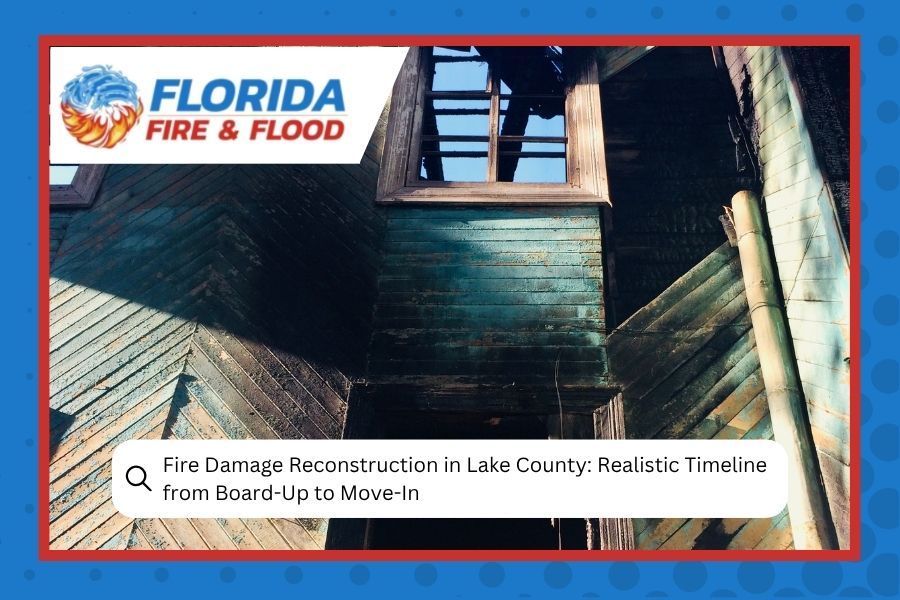
See the fire damage reconstruction timeline Lake County homeowners can expect, from board-up to move-in, plus the permit and insurance delays to plan for.

Firefighting water soaks floors, walls, and ceilings far past the burn zone. Learn why extraction and drying must run alongside fire and smoke cleanup.
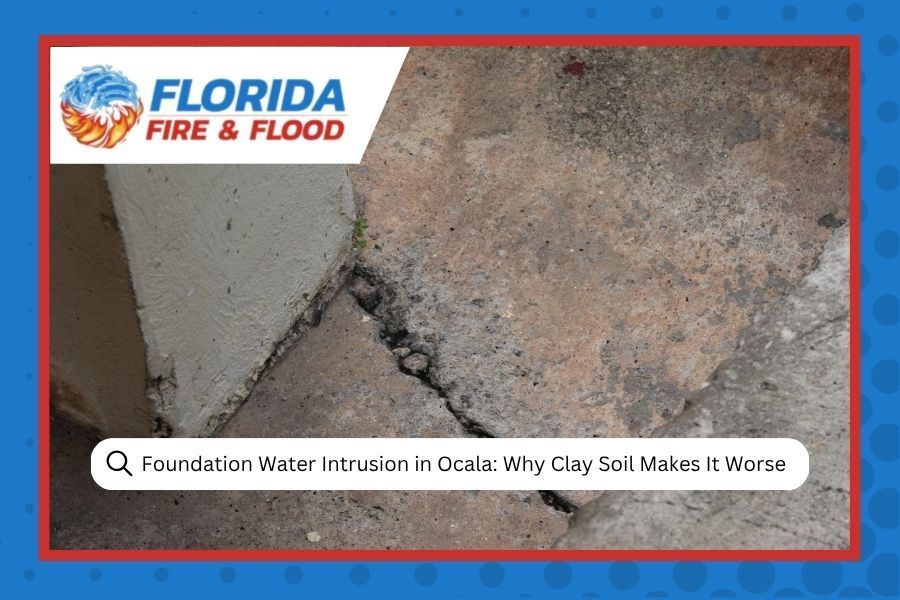
Foundation water intrusion in Ocala starts with clay soil. Learn the warning signs, how it differs from a plumbing leak, and when it is time to call us.
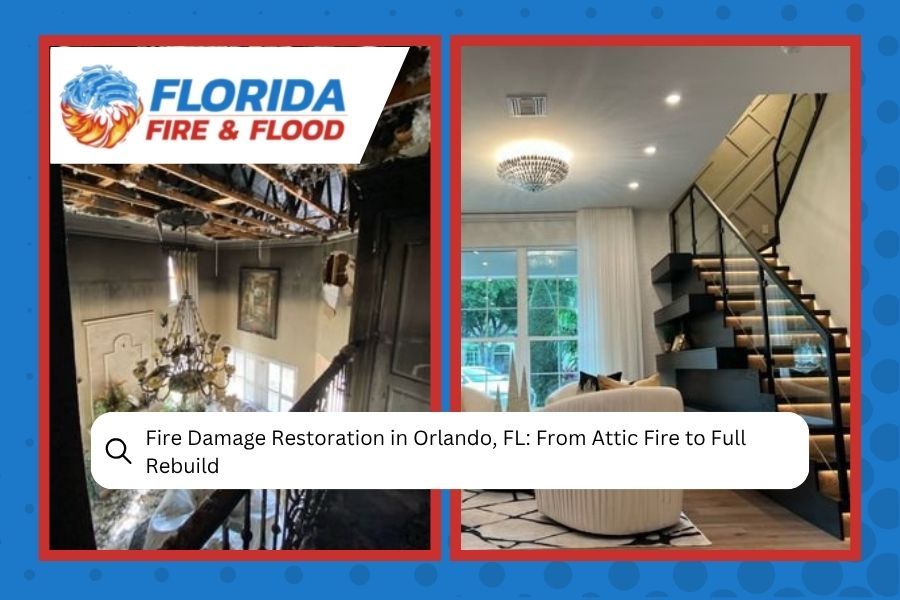
An attic fire took out the top floor of this Orlando home. See how our team rebuilt it, from the first tarp on the roof to finished kitchen and baths.
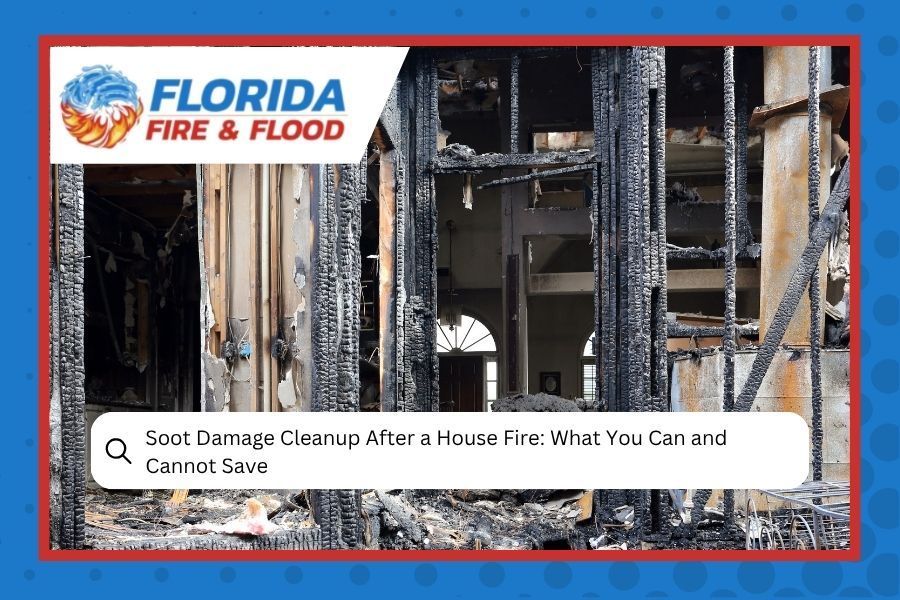
Soot damage cleanup after a house fire: learn what our IICRC certified team can save and what to replace, from textiles to electronics. Free consultation.
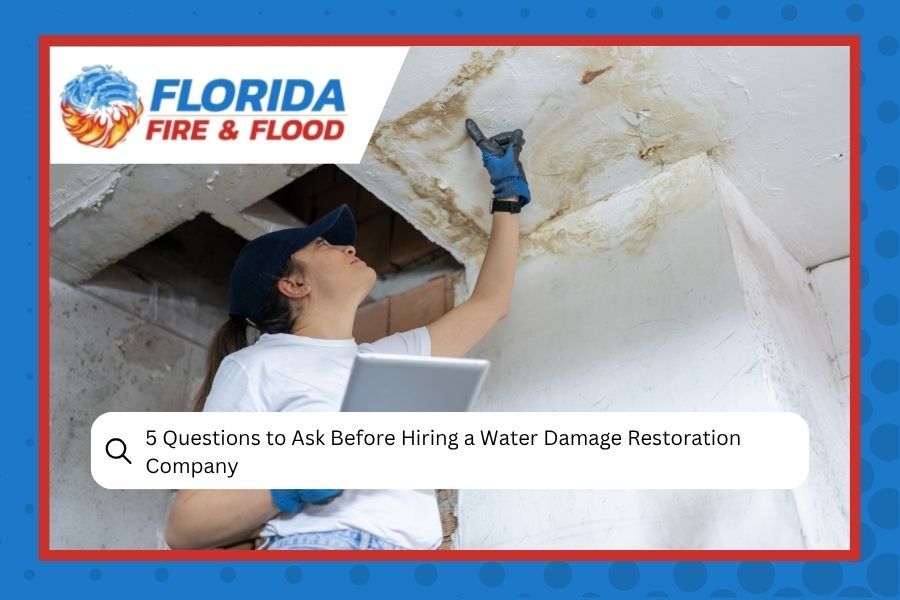
Hiring a water damage restoration company? Ask these 5 smart questions about certification, insurance, response time, gear, and repairs before you sign.