

AMRT - Applied Microbial Technician I, (Mold Remediation)
Toilet Supply Line Failures in Mount Dora: Causes, Costs, and Prevention
June 4, 2026
Randy Lazarus
Jump To:
A failing toilet supply line in Mount Dora can dump hundreds of gallons of water into your home before you realize something is wrong. Because the line stays pressurized 24/7, a hairline crack at 2 AM can flood a bathroom, soak through to the ceiling below, and turn into a costly water damage restoration job before sunrise. At Florida Fire & Flood, almost every case we see was preventable with a quarterly check.
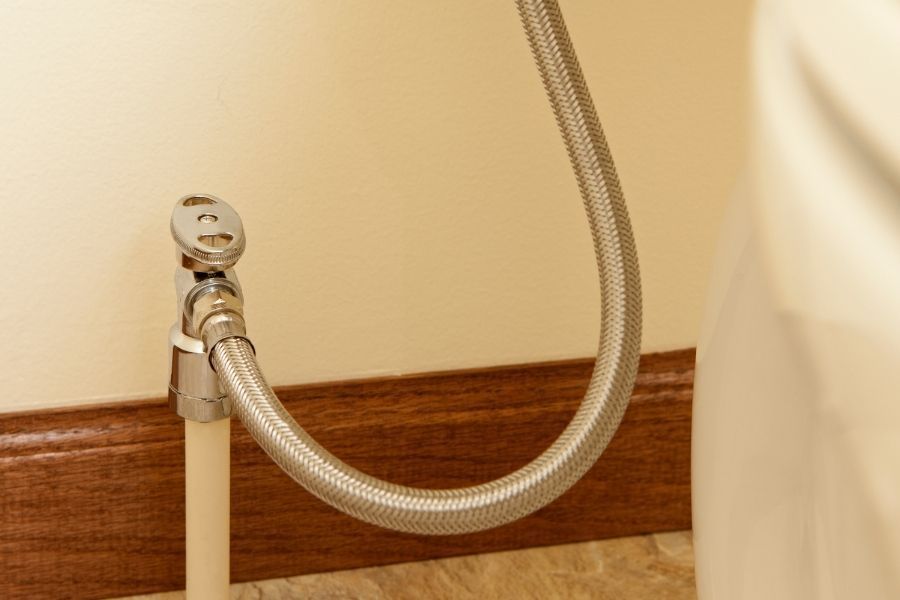
The small flexible hose behind your toilet is one of the most overlooked failure points in any Florida home.
Why Toilet Supply Line Leaks Cause So Much Damage
Toilet supply lines fail catastrophically because they're pressurized at all times, not just when the toilet is in use. A supply line burst pumps water continuously until someone shuts off the valve, which means an overnight or vacation failure can release thousands of gallons before anyone notices.
The water pools under the toilet base, wicks into baseboards, and soaks subfloor plywood. By the time you see a stain, the framing behind the wall is usually already saturated. Hidden moisture also feeds mold growth fast in Florida humidity. According to the EPA's guide to mold and moisture, mold can begin colonizing damp materials within 24 to 48 hours, which is why a slow weep often turns into a mold remediation project, not just a water cleanup.
The Three Types of Supply Lines (And Their Failure Risks)
Not all toilet supply lines are built the same, and the one behind your toilet right now may be the cheapest version a builder could install. The three common types are rigid plastic, chrome-plated copper, and braided stainless steel, each with a different lifespan and failure mode.
| Supply Line Type | Typical Lifespan | Common Failure Mode |
|---|---|---|
| Plastic (PVC nut) | 3 to 5 years | Brittle cracking from heat and UV exposure |
| Chrome-plated copper | 5 to 8 years | Pinhole corrosion at bends and connections |
| Braided stainless steel | 5 to 10 years | Inner rubber liner failure, weeping at crimps |
Braided stainless steel is the most reliable option when properly installed, but it isn't invincible. The braided sheath protects an inner rubber liner, and that liner is what eventually fails. Our rule of thumb: replace any toilet supply line about every five years. Florida humidity, hard water, and constant pressure shorten lifespans.
Already dealing with water damage from a supply line failure?
Hidden moisture turns into mold within 48 hours. Our IICRC-certified crew responds 24/7 across Mount Dora.
Schedule a Free ConsultationWarning Signs Your Supply Line Is About to Fail
Most supply lines give off warning signs for weeks before they burst, but you have to know what to look for. The hose hides behind the toilet bowl in a spot most people never inspect. A five-minute look once a season catches most problems before they flood anything.
Watch for these signs on the line, fittings, and floor underneath:
- Bulging or ballooning anywhere along the hose
- Green, white, or rust-colored corrosion on the metal nuts
- Cracking, fraying, or kinking on plastic lines
- Damp spots or weeping at the connection points
- Staining, warping, or soft spots on the floor around the toilet base
- A faint musty smell in the bathroom, even after cleaning
If you spot any of these, don't just tighten the connection and walk away. Over-tightening cracks the plastic nut or strips the threads, turning a slow weep into a full burst. For more on warning signs across your plumbing, our guide on spotting the signs of water damage is worth a read.
How to Test the Shut-Off Valve
The shut-off valve behind your toilet is your first line of defense, but only if it actually works when you need it. Older multi-turn valves can seize up from mineral buildup, and the rubber washer inside can dry out and fail. Many homeowners find this out the hard way during an emergency.
Test yours every few months:
- Turn the valve clockwise until it stops. Don't force it.
- Flush the toilet. The bowl should refill slowly or not at all.
- Turn the valve back counter-clockwise to restore flow.
- Check the valve body for drips after you reopen it.
If the valve won't turn, drips, or doesn't fully stop the water, replace it. A quarter-turn ball valve is a more reliable upgrade and costs about the same. For more on how aging plumbing creates risk, see our piece on faulty plumbing and water damage risk.
The 10-Minute Quarterly Inspection Checklist
A short quarterly check is the single most effective thing a Mount Dora homeowner can do to prevent toilet supply line water damage. Set a reminder for the first of each season. The whole walk-through takes about ten minutes for a home with two or three toilets.
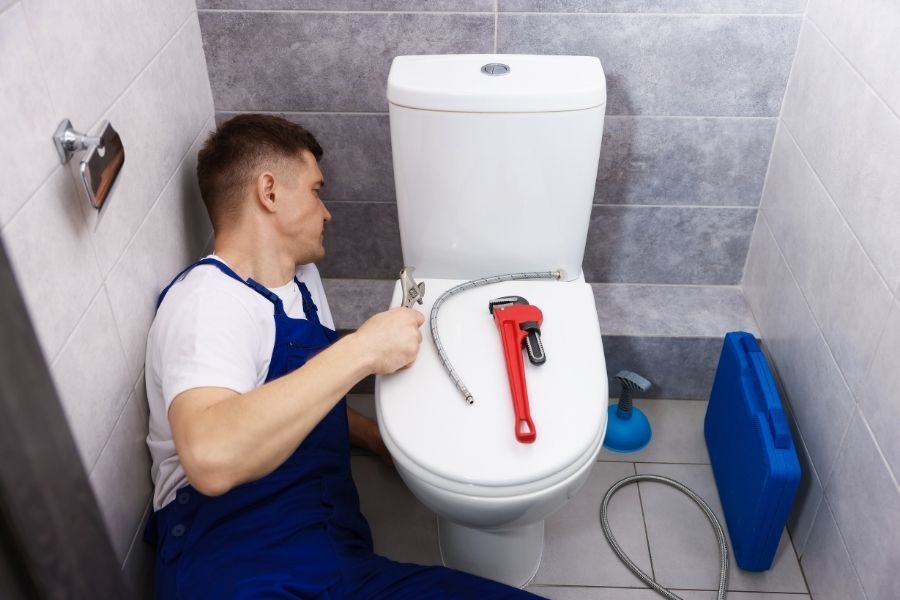
A quick seasonal walk-through catches most supply line failures before they flood anything.
For each toilet:
- Look behind and underneath for moisture, mineral staining, or rust
- Gently feel the supply line from valve to tank for soft spots or bulges
- Inspect the nuts at both ends for corrosion or weeping
- Press the floor around the base for soft, warped, or discolored spots
- Test the shut-off valve using the steps above
- Replace any line older than five years
A ten-dollar braided line beats a ten-thousand-dollar floor repair every time.
When to Replace, Tighten, or Call a Pro
The general rule: replace the supply line outright rather than trying to fix it. These hoses are inexpensive, and once they show wear, tightening fittings or wrapping connections with tape only buys a few weeks. Replacement takes about fifteen minutes and a trip to the hardware store.
Call a plumber if the shut-off valve won't close or you find active leaking behind the wall. Call a restoration company if you already see stained drywall, warped flooring, swollen baseboards, or a musty smell. Plumbers fix the pipe. We fix what the pipe damaged.
Our crews work to the IICRC S500 water damage restoration standard and use Xactimate to document and price every job, which makes the insurance side smoother. For local coverage, see our Mount Dora service area page.
Frequently Asked Questions
How often should I replace my toilet supply line in Florida?
Every five years, and sooner if you see corrosion, bulging, or moisture at the connections. Florida humidity and hard water shorten lifespans compared to cooler climates.
Are braided stainless steel supply lines really better?
Yes, when installed correctly and not overtightened. They handle pressure surges better than plastic or chrome. They still fail eventually at the crimp fittings, so the five-year rule still applies.
What should I do first if I find a leaking toilet supply line?
Turn the shut-off valve clockwise until the water stops. If the valve won't close, shut off the main water supply. Then check the floor, walls, and ceiling below for hidden damage before calling for help.
Does homeowners insurance cover toilet supply line water damage?
Sudden bursts are typically covered, but gradual leaks from a worn line often aren't. Documenting your quarterly inspections and replacement dates helps if you ever need to file a claim.

Randy Lazarus
About The Author:
Randy Lazarus is the owner of Florida Fire & Flood, a locally owned and family-operated restoration company serving Central Florida communities since 2021. Leading a team of IICRC-certified technicians, Randy has built a reputation for providing 24/7 emergency response and compassionate service to homeowners and businesses facing water damage, fire damage, and mold emergencies. As a member of the Central Florida community, Randy understands the unique challenges property owners face in the region and is dedicated to helping his neighbors restore their properties and get back to normal life.
Read More:
Smoke odor removal vs fire damage restoration explained: why odor and structural damage need different methods, timelines, and claims in Central Florida.
See the fire damage reconstruction timeline Lake County homeowners can expect, from board-up to move-in, plus the permit and insurance delays to plan for.

Firefighting water soaks floors, walls, and ceilings far past the burn zone. Learn why extraction and drying must run alongside fire and smoke cleanup.
Foundation water intrusion in Ocala starts with clay soil. Learn the warning signs, how it differs from a plumbing leak, and when it is time to call us.
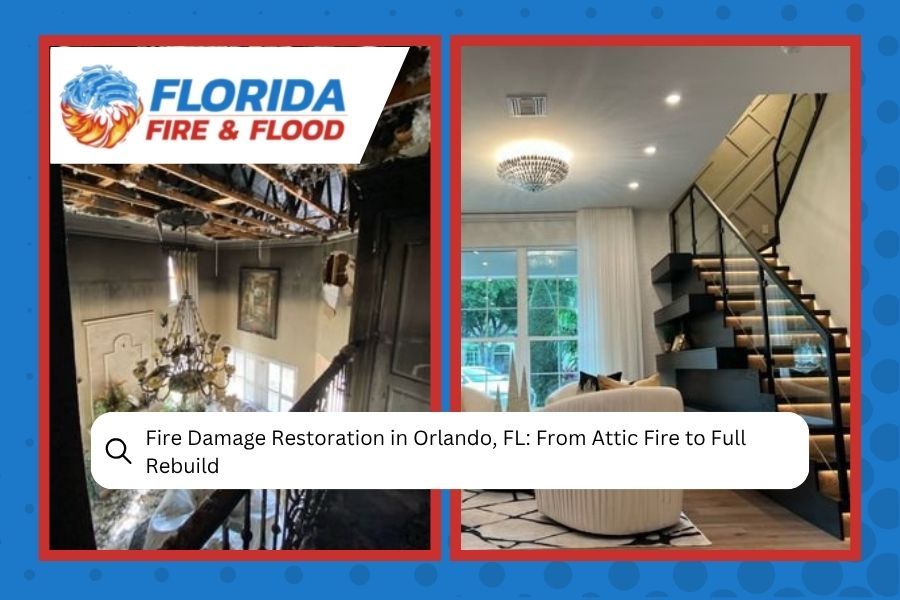
An attic fire took out the top floor of this Orlando home. See how our team rebuilt it, from the first tarp on the roof to finished kitchen and baths.
Soot damage cleanup after a house fire: learn what our IICRC certified team can save and what to replace, from textiles to electronics. Free consultation.