

AMRT - Applied Microbial Technician I, (Mold Remediation)
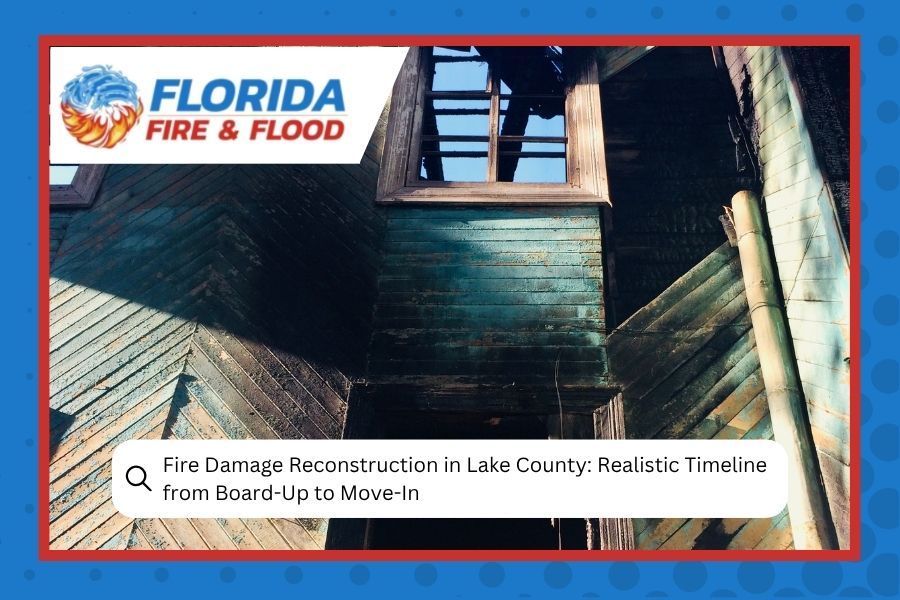
Fire Damage Reconstruction in Lake County: Realistic Timeline from Board-Up to Move-In
October 7, 2026
Randy Lazarus
Jump To
When a fire damages more than a room or two, the rebuild from board-up to move-in usually takes about three to six months. That's the honest fire damage reconstruction timeline Lake County families should plan around. Our IICRC certified team at Florida Fire & Flood handles each phase, and we'll show you where the weeks go.
Nobody wants to hear "months" while living out of a suitcase. But knowing the phases makes the wait easier.
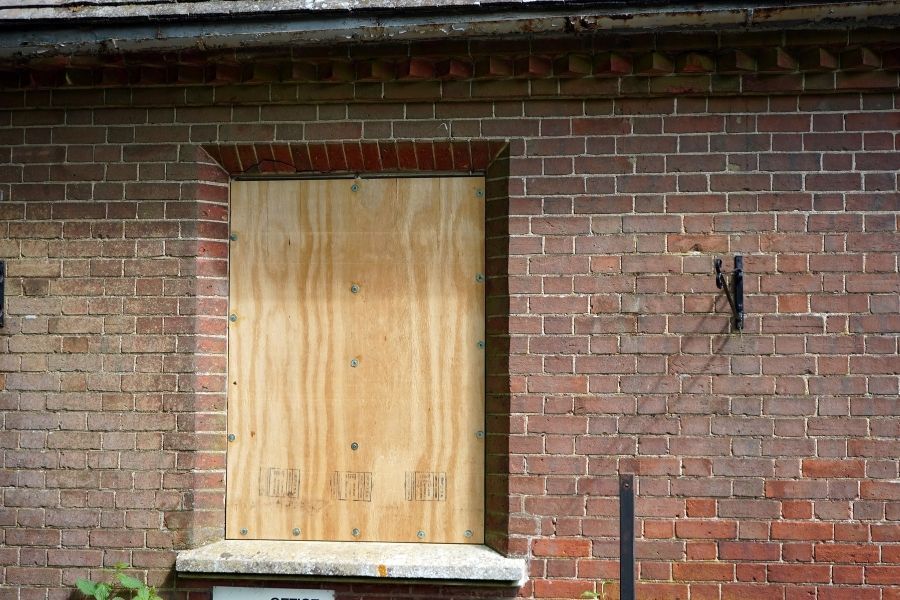
Board-up usually happens in the first few days, and it protects the house while every later phase plays out.
How long does fire damage reconstruction take in Lake County?
Fire damage reconstruction in Lake County can take a few weeks for a small kitchen fire or more than six months for a whole-home loss. The phases overlap, so the total runs shorter than adding each range end to end. Scope, permits, and insurance approvals decide where you land.
Your Fire Rebuild at a Glance
Tap a phase for details.
Phase 1: Board-up and securing Days 1 to 3
Tarps and plywood stop the spread.
Phase 2: Assessment and insurance Weeks 1 to 2
We build a line-by-line Xactimate estimate and meet your adjuster.
Phase 3: Demolition and hazard removal Weeks 2 to 4
Ruined materials come out and the house dries.
Phase 4: Permits 2 to 6 weeks
Plans go in, often while cleanup continues.
Phase 5: Structural rebuild 4 to 12 weeks
Framing, roof, windows, and doors go back in, built to current Florida code.
Phase 6: Electrical, plumbing, and HVAC During the rebuild
New systems go in while walls are open.
Phase 7: Finishing and inspection 2 to 4 weeks
Drywall, paint, floors, cabinets, and a final sign-off.
Phase 8: Walkthrough and move-in Final days
We check every room with you.
What happens first in the fire damage restoration process in Florida?
The first two weeks are about stopping more damage and getting everyone on the same page. Board-up and water removal happen in the first few days, and a detailed damage assessment and your insurance claim follow. Getting both right saves time down the road.
Days 1 to 3: Emergency board-up and securing the home
Once firefighters clear the scene, the house needs to be closed up fast. The U.S. Fire Administration's After the Fire guide explains that firefighters may break windows and cut holes in the roof and walls to put out a fire.
Those openings let in rain, animals, and trespassers. We aim to arrive within about an hour, depending on distance, to tarp the roof and board up the openings. We also pack out belongings worth saving for offsite cleaning.
Water is the other emergency, since firefighting hoses soak floors and walls far from the flames. That secondary water damage from firefighting needs drying equipment right away.
Weeks 1 to 2: Damage assessment and insurance coordination
We photograph each room, take moisture readings, and write a line-by-line estimate in Xactimate, the same software many insurance adjusters use. That shared format means fewer arguments over what belongs on the list.
We walk the damage with your adjuster and work directly with your insurer, so you don't have to play middle man. Smoke often reaches rooms the flames never touched, and those belong on the claim too. Our guide to smoke damage insurance claims in Florida covers the details.
Just had a fire in your home?
We're available 24/7 to board up, start drying, and document the damage, so your rebuild starts on solid ground.
See Our Fire Damage Restoration ServicesWhat has to happen before construction starts?
Before anyone frames a new wall, the damaged parts of the house have to come out and the permits have to come in. Tear-out, cleanup, and drying usually take two to four weeks. Permit review can take two to six weeks, often at the same time.
Weeks 2 to 4: Demolition and hazard removal
Hazard removal means clearing out anything unsafe or ruined. That includes charred drywall, sagging ceilings, soaked insulation, and soot-coated cabinets.
Lightly charred framing can often be cleaned and sealed with an odor-blocking primer. Deeply burned wood gets replaced. Air scrubbers run the whole time to catch the fine soot that tear-out stirs up.
Everything also has to dry completely before new walls go up. Trapped moisture plus Central Florida humidity is how mold gets started, so thorough drying is a core part of professional water damage restoration.
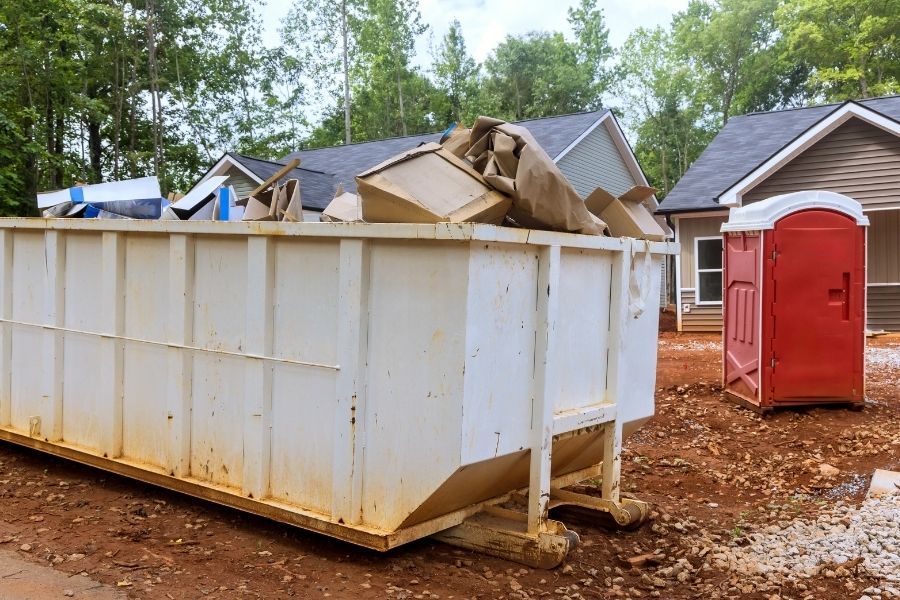
Tear-out runs roughly weeks two through four. Since we handle the rebuild too, there's no gap waiting on a second contractor's schedule.
Permits: 2 to 6 weeks, depending on scope
Structural, roofing, electrical, plumbing, and HVAC work all need permits. Who issues them depends on your address. Lake County's building office covers unincorporated areas, while cities like Tavares, Clermont, and Leesburg run their own.
Simple repairs can clear review in about two weeks. Bigger structural jobs may need engineered drawings first. We handle the paperwork and schedule inspections, so nothing sits in a stack.
What does the rebuild look like from framing to move-in?
The rebuild is the longest stretch, usually six to sixteen weeks from new framing to the final walkthrough. Structural work comes first, then electrical, plumbing, and HVAC, then the finishes you'll see. Walls can't close until the rough-in inspections pass.
Structural reconstruction: 4 to 12 weeks
This is where the house takes shape again. Crews replace burned framing, rebuild damaged roof sections, and install new windows and doors that meet today's Florida Building Code.
One damaged room lands near the low end. A lost roof or second floor pushes toward the high end. For a real example, see how our team took one Orlando home from attic fire to full rebuild.
Systems installation: electrical, plumbing, and HVAC
Heat can damage wiring inside walls that never saw a flame. Plastic water lines can soften and warp, too. Electricians and plumbers replace what's damaged while the framing is still open.
If your AC was running during the fire, it probably pulled soot through the ducts. Those get cleaned or replaced before the system runs again.
Finishing and final inspection: 2 to 4 weeks
Next come insulation, drywall, paint, flooring, cabinets, and fixtures, the parts that make it feel like home. The phase wraps up with a final inspection from the county or city.
Final walkthrough and move-in
Before you move back, we walk every room with you, list any touch-ups, and check for lingering smoke odor. Then your cleaned belongings come home, and so do you.
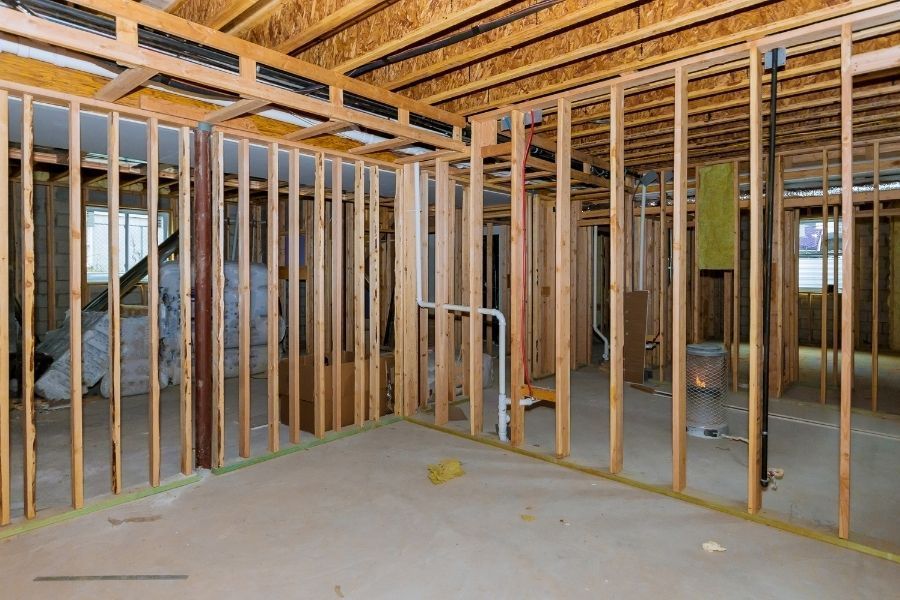
Walkthrough tip: a paint scuff is much easier to fix before the furniture comes back.
What can stretch a fire reconstruction timeline?
Permit delays, insurance disputes, material availability, and the overall scope of damage are the biggest reasons fire rebuilds run long. Hurricane season can make all four worse, since storms stretch crews and supplies across Central Florida. Here's why each one adds time and what helps.
| What slows it down | Why it adds time | What helps |
|---|---|---|
| Permit delays | Reviewers may ask for changes or engineered drawings. | Complete plans and quick answers. |
| Insurance disputes | Disagreements over scope or line items can pause work. | Detailed photos and an itemized estimate early. |
| Material availability | Cabinets and wind-rated windows and doors can take weeks to arrive. | Choosing finishes early and approving orders fast. |
| Scope of damage | Hidden damage often shows up once walls are open. | Planning for a claim supplement. |
How you can help keep things on track
You can't control the permit office, but you can control how fast decisions get made on your end.
- Report the claim right away and ask how to protect the home until repairs start.
- Save every receipt for hotels, meals, and supplies.
- Ask whether your policy includes loss of use coverage for temporary housing.
- Look after your family, too. The American Red Cross guide to recovering after a home fire suggests paying attention to how everyone handles stress.
Rebuilding after a fire in Lake County?
Florida Fire & Flood is a family-owned team that's served Central Florida since 2021. From our home base in Tavares, we handle every step from board-up to move-in, so you're never juggling separate crews.
Call us 24/7 for a Free Consultation. You'll get a straight answer about your timeline, not a sales pitch.
See Our Lake County Service AreaWhat else do Lake County homeowners ask about fire rebuilds?
Most questions we hear after a fire come back to one worry: when can we go home? Every house is different. These answers cover the questions Lake County families ask us most, from moving back early to making upgrades while crews work.
Can we move back in before the rebuild is finished?
Sometimes, if the fire stayed in one area and the power, water, and air conditioning are safe to use. Soot and construction dust are the bigger concerns, so we'll give you an honest answer after our assessment.
Do we have to wait for insurance approval before work starts?
Not for emergency work. Board-up, water removal, and drying should start right away, and most policies require you to prevent further damage. Rebuilding usually begins once your insurer approves the scope.
Is it faster to use one company for cleanup and reconstruction?
Usually, yes. When one team handles both, there's no gap between crews and no new contractor learning the job from scratch. Your adjuster also reviews one estimate instead of two.
Can we make upgrades while the house is being rebuilt?
Yes, and plenty of families do. Upgrades beyond what your policy covers are usually paid for separately. Changing plans mid-project can add time, so it's best to decide early.

Randy Lazarus
About The Author:
Randy Lazarus is the owner of Florida Fire & Flood, a locally owned and family-operated restoration company serving Central Florida communities since 2021. Leading a team of IICRC-certified technicians, Randy has built a reputation for providing 24/7 emergency response and compassionate service to homeowners and businesses facing water damage, fire damage, and mold emergencies. As a member of the Central Florida community, Randy understands the unique challenges property owners face in the region and is dedicated to helping his neighbors restore their properties and get back to normal life.
Read More:

Firefighting water soaks floors, walls, and ceilings far past the burn zone. Learn why extraction and drying must run alongside fire and smoke cleanup.
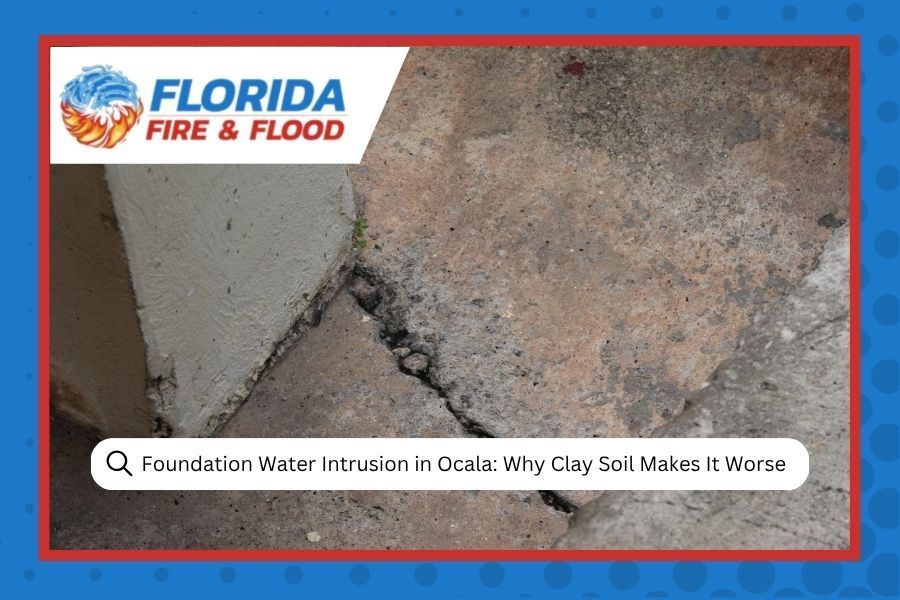
Foundation water intrusion in Ocala starts with clay soil. Learn the warning signs, how it differs from a plumbing leak, and when it is time to call us.
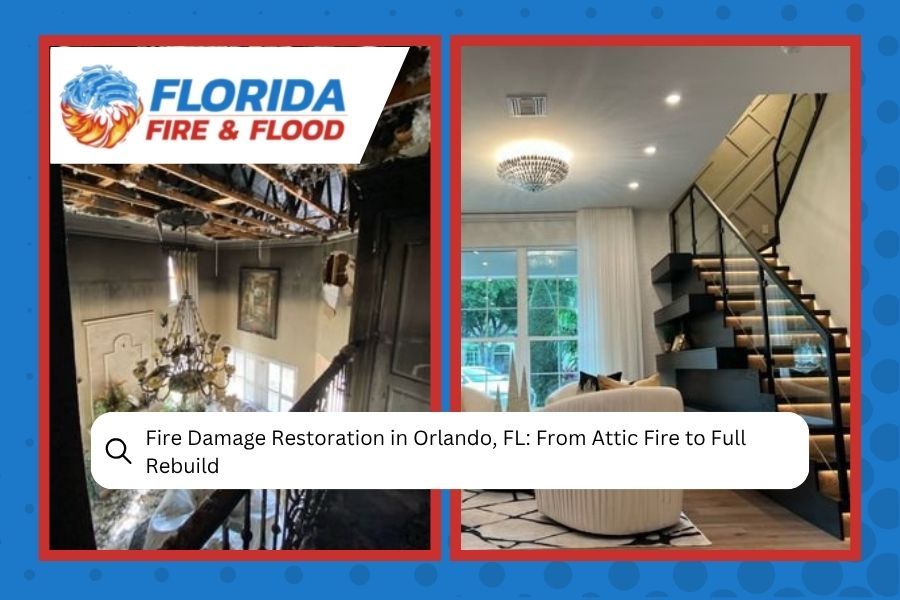
An attic fire took out the top floor of this Orlando home. See how our team rebuilt it, from the first tarp on the roof to finished kitchen and baths.
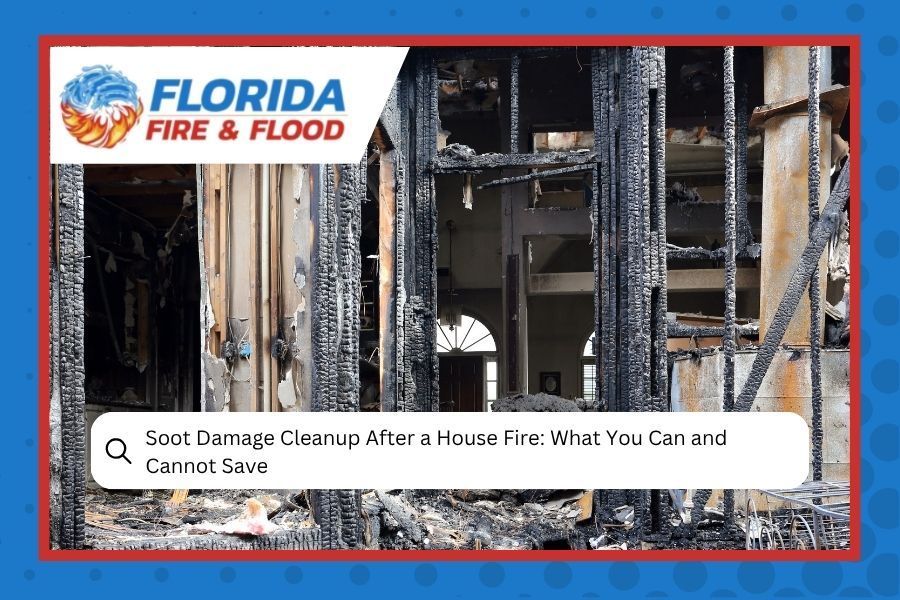
Soot damage cleanup after a house fire: learn what our IICRC certified team can save and what to replace, from textiles to electronics. Free consultation.
Hiring a water damage restoration company? Ask these 5 smart questions about certification, insurance, response time, gear, and repairs before you sign.
High water pressure damages pipes in Eustis homes. Learn the safe PSI range, regulator warning signs, and how to catch hidden leaks before they spread.