
AMRT - Applied Microbial Technician I, (Mold Remediation)
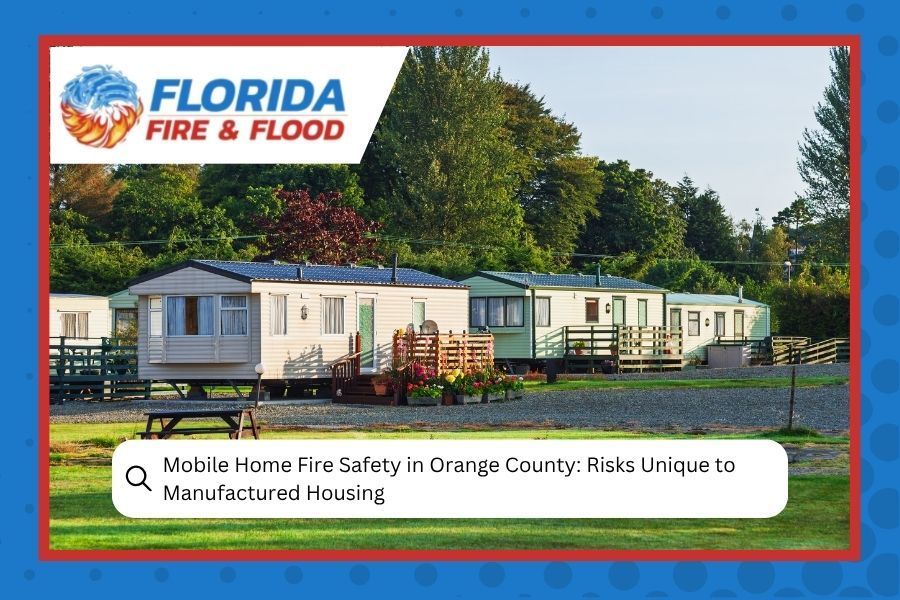
Mobile Home Fire Safety in Orange County: Risks Unique to Manufactured Housing
November 3, 2026
Randy Lazarus
Jump To:
Manufactured homes face a few fire risks that most site-built houses don't, and nearly all of them are simple to fix. Our IICRC certified team at Florida Fire & Flood cleans up after fires across Central Florida, so we know where these homes are vulnerable. Here's the mobile home fire safety Orange County families can put to work this weekend.
November brings space heaters and mountains of holiday laundry. Cooking is still the leading cause of house fires, but mobile homes add a few risks of their own.
Why Is Fire Safety Different in Orange County's Mobile Home Communities?
Fire safety works differently in Orange County's mobile home communities because the homes are lighter, sit closer together, and burn faster. The county has well over 100 mobile home parks, with big clusters around Apopka, Zellwood, and east Orlando. One fire can reach the neighbors in minutes.
That's why minutes matter. Ready.gov's home fire guidance shows just how fast a house fire grows. Even the fastest fire crew can't beat that clock, so prevention counts most.

Carports, sheds, and tight rows give a fire an easy path from one home to the next.
How Fast a Home Fire Moves
Tap each stage. Source: Ready.gov
30 seconds
A small flame can become a major fire.
2 minutes
Smoke and heat can turn deadly.
5 minutes
The whole home can be engulfed.
Which Manufactured Home Fire Risks Should Florida Owners Check First?
The six biggest manufactured home fire risks in Florida are old aluminum wiring, space heaters near walls, cluttered skirting, limited exits, stuffy water heater closets, and crushed dryer vents. Each one has a simple fix, though a couple need a licensed pro.
1. Aging Aluminum Wiring
Lots of mobile homes built from the mid-1960s to the early 1970s used aluminum wiring. It expands and shrinks more than copper, so connections loosen and run hot. Watch for warm switch plates, flickering lights, or a burning plastic smell.
Have a Licensed Electrician Check the Connections
Don't DIY this one. Our post on electrical fire risks in Apopka covers more warning signs for older homes.
Already had a close call?
Even a small fire leaves smoke, soot, and water behind. We handle board-up through rebuild and work directly with your insurer, so you don't have to play middle man.
See How We Rebuild After Fires
2. Space Heaters Too Close to Thin Walls
A chilly 45-degree morning sends folks digging for the space heater. Rooms are small, so heaters end up inches from curtains and beds. Older homes often have thin wood paneling that lights fast.
Keep Heaters 3 Feet From Anything That Burns
Plug heaters straight into the wall, never a power strip. Choose one with tip-over shutoff, and turn it off before bed.
3. Skirting That Traps Heat and Clutter
Skirting keeps critters out, but it also creates a closed pocket that holds heat. It's tempting to stash gas cans and the mower in there. Add dry leaves and you've built a fuel bed under your floor.
Clear Out the Space Under the Home
Move fuel to a shed, rake debris away from the skirting, keep vents open, and park grills at least 10 feet from the home.

Space heaters need about three feet of clear space on every side, which is tough to find in a narrow single-wide living room.
4. Limited Escape Routes in Single-Wide Layouts
A single-wide is long and narrow, with one hallway and two doors. If fire blocks the hallway, the far bedroom's only exit may be a window. And honestly? We find back doors blocked by freezers all the time.
Plan and Practice Two Ways Out of Every Room
Make sure bedroom windows open and security bars release from inside. Put smoke alarms in each bedroom and the hallway, then practice your plan twice a year.
5. Poor Ventilation in the Water Heater Closet
Many manufactured homes tuck a gas water heater into a small outside closet. The burner needs fresh air to run safely. Pack that closet with mops and paint cans, and heat and fumes build up.
Keep the Closet Empty and the Vents Clear
Treat it as a no-storage zone. Have the flue checked yearly, and confirm any new heater is approved for manufactured homes.
6. Crushed Dryer Vents Behind the Unit
Dryers often get shoved back into tight closets, which squeezes flimsy foil duct flat. Lint piles up in the kinks, and lint is basically kindling with a fan blowing on it.
Swap Foil Duct for Rigid Metal
Empty the lint trap every load, clean the duct yearly, and vent it outside the skirting. The NFPA's home fire safety resources have more dryer tips.
Mobile Home Fire Prevention at a Glance
| Risk | Warning Sign | Check It |
|---|---|---|
| Aluminum wiring | Warm outlets, flickering lights | Once, by a pro |
| Space heaters | Hot cords, scorch marks | Every use |
| Skirting | Stored fuel, leaf piles | Monthly |
| Escape routes | Stuck windows, blocked doors | Twice a year |
| Water heater closet | Soot marks, clutter | Yearly |
| Dryer vent | Long dry times, hot dryer top | Lint every load, duct yearly |
What Should You Do If Fire Damages Your Mobile Home?
If fire damages your mobile home, get everyone out, call 911, and stay out until firefighters say it's safe. Then a different clock starts. Smoke, soot, and water move through lightweight walls and floors fast, so cleanup should begin within a day or two.
Firefighters use a lot of water, and that secondary water damage from firefighting efforts can soak subfloors well past the burned area.

Aluminum wiring loosens at connections over time and runs hot. Scorch marks like these mean it’s time to call a licensed electrician.
Our IICRC certified crews secure the home, dry it out, clean smoke and soot, and rebuild. We write estimates in Xactimate, the software most adjusters use. From Apopka to east Orlando, our restoration crew serving the Orlando area usually arrives within an hour, depending on distance.
Need help after a fire? We're up.
Florida Fire & Flood is locally and family owned, IICRC certified, and available 24/7 across Central Florida. Call us for a Free Consultation.
Mobile Home Fire Safety FAQs
These are the fire safety questions Orange County mobile homeowners ask us most. They tend to come up during walkthroughs, after a close call, or in the middle of a claim. Don't see yours? Call us and we'll talk it through.
Are newer manufactured homes safer than older mobile homes?
Generally, yes. Homes built on or after June 15, 1976 follow the federal HUD Code, which set fire safety rules for materials, smoke alarms, and exits. Older homes deserve a closer look.
Does insurance cover fire damage to a manufactured home?
Most mobile home policies cover fire, but limits and exclusions vary, so read yours now. We work directly with most major insurance companies and handle the calls with your adjuster.
Can a manufactured home be repaired after a fire?
Often, yes. Smaller fires can usually be cleaned up and rebuilt, while severe structural damage may make replacement the smarter move. A professional assessment tells you which way to go.

Randy Lazarus
About The Author:
Randy Lazarus is the owner of Florida Fire & Flood, a locally owned and family-operated restoration company serving Central Florida communities since 2021. Leading a team of IICRC-certified technicians, Randy has built a reputation for providing 24/7 emergency response and compassionate service to homeowners and businesses facing water damage, fire damage, and mold emergencies. As a member of the Central Florida community, Randy understands the unique challenges property owners face in the region and is dedicated to helping his neighbors restore their properties and get back to normal life.
Read More:
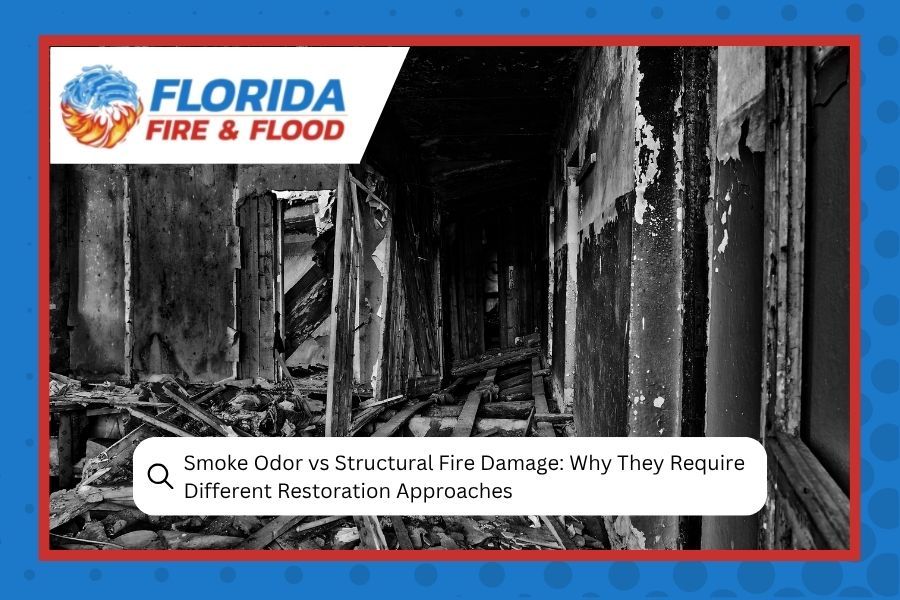
Smoke odor removal vs fire damage restoration explained: why odor and structural damage need different methods, timelines, and claims in Central Florida.
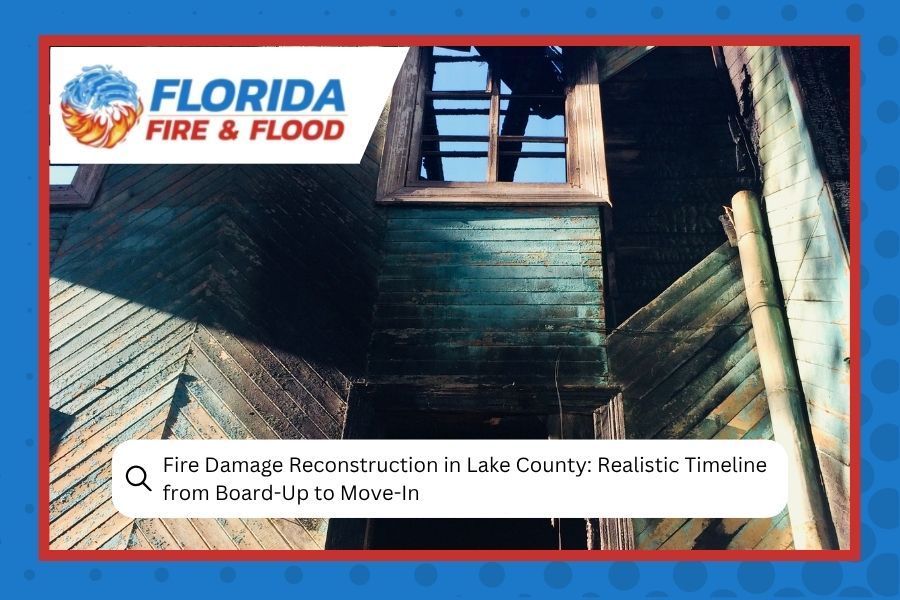
See the fire damage reconstruction timeline Lake County homeowners can expect, from board-up to move-in, plus the permit and insurance delays to plan for.
Firefighting water soaks floors, walls, and ceilings far past the burn zone. Learn why extraction and drying must run alongside fire and smoke cleanup.
Foundation water intrusion in Ocala starts with clay soil. Learn the warning signs, how it differs from a plumbing leak, and when it is time to call us.
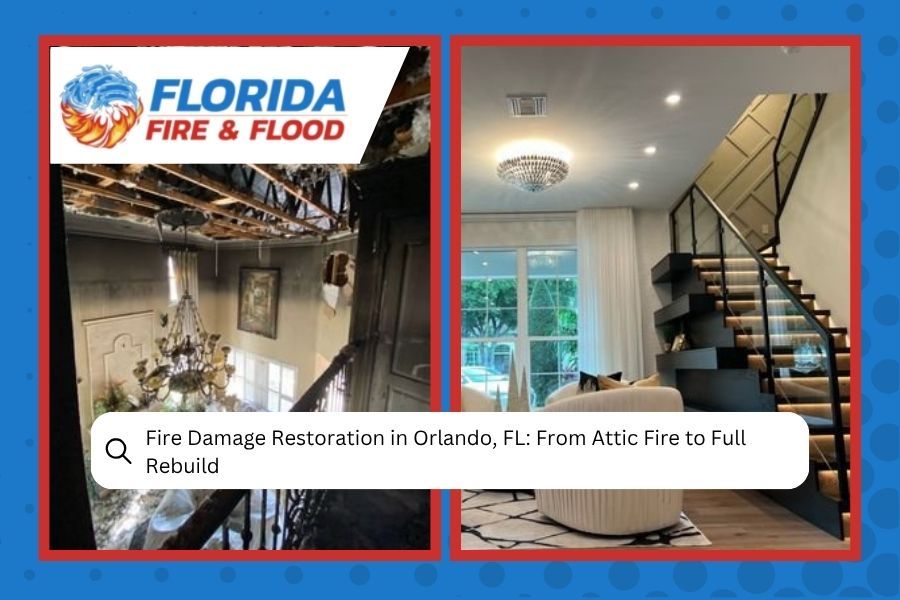
An attic fire took out the top floor of this Orlando home. See how our team rebuilt it, from the first tarp on the roof to finished kitchen and baths.
Soot damage cleanup after a house fire: learn what our IICRC certified team can save and what to replace, from textiles to electronics. Free consultation.