
AMRT - Applied Microbial Technician I, (Mold Remediation)
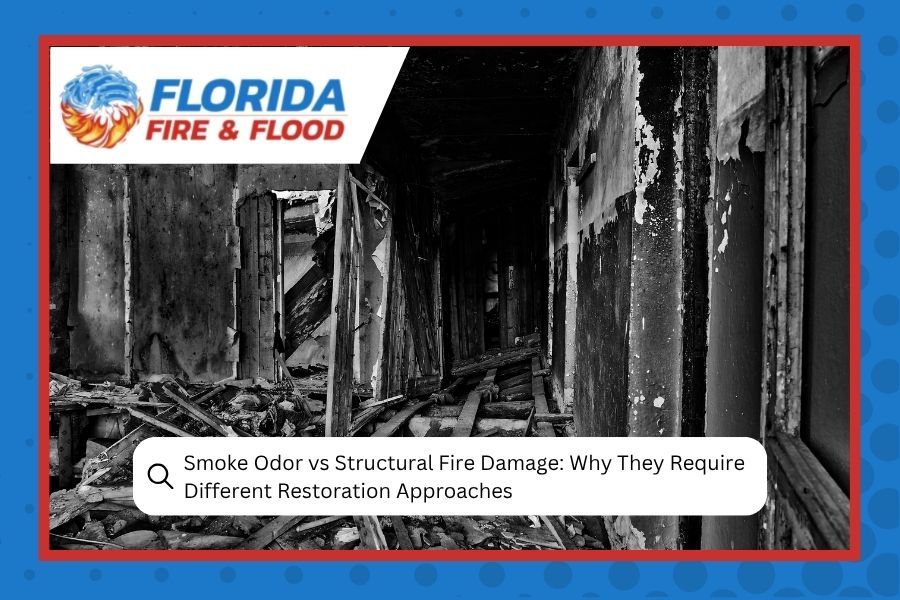
Smoke Odor vs Structural Fire Damage: Why They Require Different Restoration Approaches
October 14, 2026
Randy Lazarus
Jump To
Smoke odor and structural fire damage need different repair plans. Odor soaks into porous materials and usually comes out with deep cleaning, while burned materials get torn out and rebuilt. At Florida Fire & Flood, our IICRC certified team settles the smoke odor removal vs fire damage restoration question first, since it shapes your claim, timeline, and cost.
Some fires never leave the kitchen but still send smoke into every bedroom, while others take out walls and framing. We've handled both across Central Florida since 2021.
What's the Difference Between Smoke Damage and Fire Damage?
Smoke damage is residue and odor, while structural fire damage is material that heat and flames destroyed. Smoke can reach every room, but the walls underneath usually stay sound. Burned or weakened drywall, framing, flooring, and roofing have to come out and be rebuilt.
The industry draws the same line. The IICRC S700 fire and smoke standard covers residue and odor cleanup but leaves reconstruction outside its scope.
| Smoke Odor Damage | Structural Fire Damage | |
|---|---|---|
| What gets damaged? | Surfaces, belongings, and porous materials | Framing, drywall, flooring, roofing, and wiring |
| How far does it spread? | Anywhere air moved, even closets and ducts | Mostly the burn zone and nearby rooms |
| What's the main fix? | Cleaning, deodorizing, and sealing | Tear-out, drying, and rebuilding |
| Is demolition needed? | Little to none | Often down to the studs |
| How long does it take? | A few days to two weeks | Several weeks to a few months |
| Are permits needed? | Rarely | Usually |
Smoke Smell or Charred Walls? We Handle Both.
Our IICRC certified team checks for both on-site and handles everything from the first cleaning pass to the final coat of paint. It starts with a Free Consultation.
Explore Our Reconstruction ServicesHow Does Smoke Odor Reach Rooms the Fire Never Touched?
Smoke rides hot air, so it reaches any room that air can reach. Heat and pressure push it through door gaps, outlets, attic openings, and HVAC ducts, especially if the AC was on. The particles are tiny. That's why a bedroom down the hall can smell like a campfire without a single scorch mark.
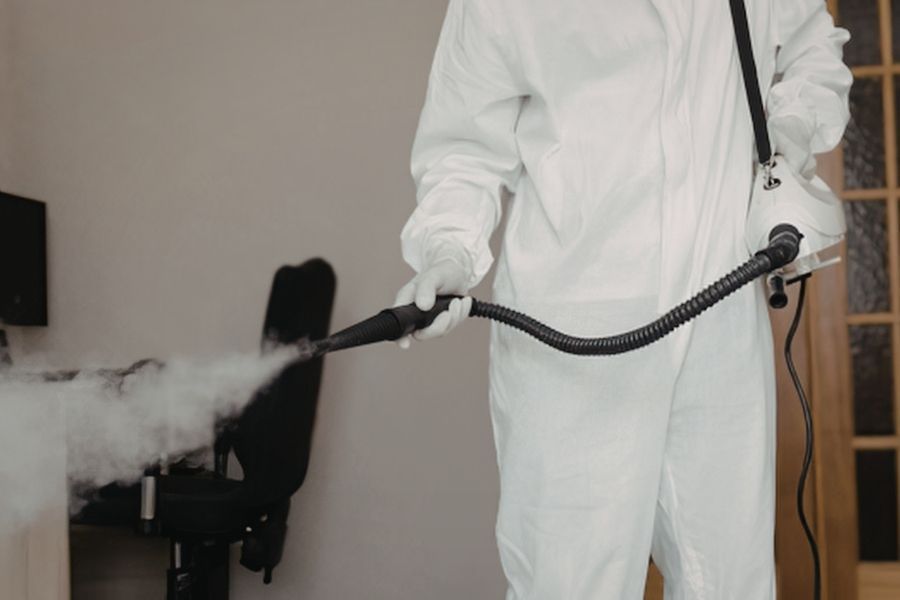
Fogging works because the treatment travels the same way smoke did, reaching into porous surfaces instead of cutting them out.
Why Porous Materials Hold Onto Odor
Drywall, insulation, fabrics, and unsealed wood are full of tiny pores. Smoke settles into those pores and keeps releasing odor long after the fire. The U.S. Fire Administration's After the Fire guide warns that things the flames never touched can still be ruined by smoke.
Not All Smoke Residue Is the Same
- Dry smoke: hot, fast fires leave powdery soot that's easier to clean.
- Wet smoke: smoldering plastics leave sticky residue and a sharp smell.
- Protein residue: kitchen fires leave a nearly invisible film with a strong odor.
What Does the Smoke Damage Restoration Process Look Like?
The smoke damage restoration process removes residue first, then treats the odor left behind. Crews clean each affected surface and the ductwork, then replace smoke-soaked items that won't come clean, like attic insulation. Deodorize too early, and the smell sneaks back.
The Odor Removal Toolkit
Tap each method to learn more.
1
Specialized Cleaning
Dry soot sponges, HEPA vacuums, and degreasers lift residue. This step comes first.
2
Thermal Fogging
A heated deodorizer forms a fog that follows smoke's path into cracks and fabrics. Nobody stays home during treatment.
3
Hydroxyl Treatment
Hydroxyl units use UV light to break down odor molecules. They're slower, but you can usually stay home.
4
Ozone Treatment
Ozone knocks out stubborn odors fast but irritates lungs and can crack rubber. It's used only where appropriate, in an empty home.
Your belongings follow the same logic. Our guide on what soot cleanup can save covers everything from textiles to electronics.
What Does Structural Fire Damage Restoration Involve?
Structural fire damage restoration means removing burned or weakened materials and rebuilding them to code. Heat can char framing, warp subfloors, melt wiring, and crack drywall far beyond what you can see. Firefighters may also cut into walls and roofs to vent smoke and make sure the fire is really out. Cleaning can't bring back lost strength.
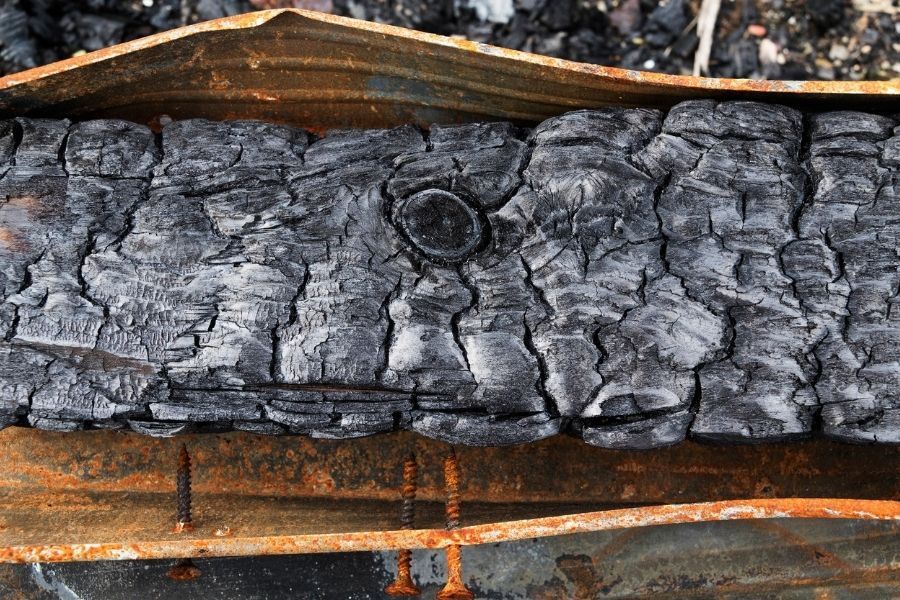
With the burned drywall out, we can see how deep the char goes and which studs can stay.
The Four Stages of a Structural Fire Job
- Secure the home with board-up and roof tarps.
- Extract firefighting water and dry the structure.
- Tear out burned drywall, insulation, and flooring, and replace weak framing.
- Seal the framing that stays so odor can't bleed through, then rebuild.
Stage two is a job of its own. Fire hoses soak walls and subfloors past the burn zone, so most rebuilds start with water damage restoration and drying.
On one Orlando attic fire rebuild, the fire took out the top floor, and our crew rebuilt it from the first roof tarp to a finished kitchen and baths.
How Do Timeline, Cost, and Insurance Scope Compare?
Odor-only jobs often finish within two weeks, while rebuild jobs can run for months. Each stage of a rebuild adds time and cost, from demolition and drying to permits, inspections, and trades. Odor work skips most of that, so the scope, the bill, and your time away from home all shrink.
How Scope Shapes Your Insurance Claim
Your claim only covers what the scope lists. Odor claims often come up short when hidden sources like ductwork, attic insulation, and closet contents get missed. We write our estimates in Xactimate, the software many adjusters use. We also work directly with your insurance company, so you don't have to play middle man.
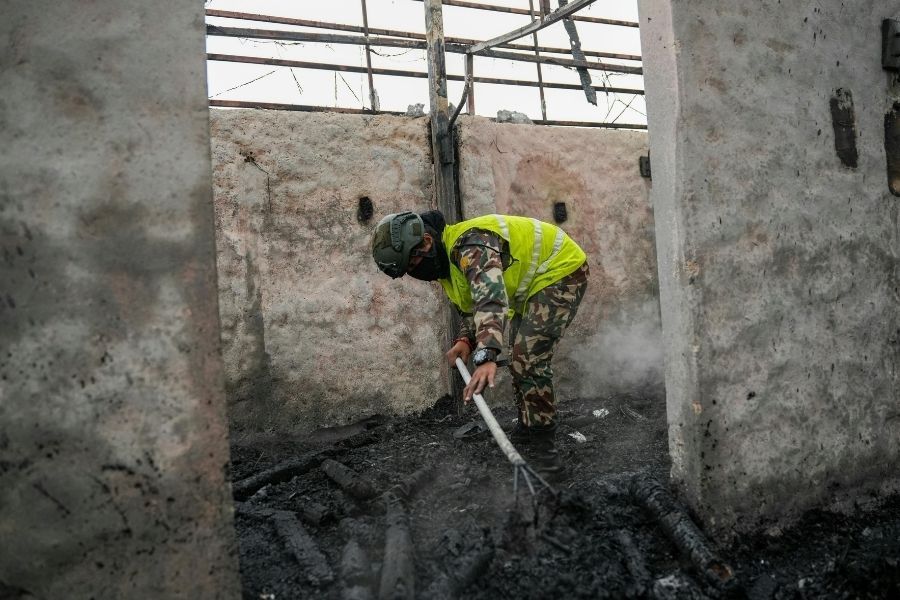
Structural losses start with clearing what's left, which is why these jobs run weeks or months longer than an odor-only restoration.
For coverage basics, see our guide to smoke damage insurance claims in Florida.
Whether it's a lingering smell or charred framing, you don't have to sort it out alone. Florida Fire & Flood is family-owned, IICRC certified, and available 24/7 across our Central Florida service areas. Call (352) 644-7969 for a Free Consultation. We'll walk you through what your home needs next.
Smoke Odor and Fire Damage FAQs
Can air fresheners or a rental ozone machine fix smoke odor?
Not for long. Air fresheners only cover the smell, and ozone alone can't lift the soot that keeps producing it. Without source cleaning, the odor usually returns, often on the first muggy Florida day.
Does homeowners insurance cover smoke damage if nothing burned?
Many homeowners policies cover smoke damage from a sudden fire, even in rooms the flames never reached. Coverage varies, so check with your agent. Room-by-room photos and notes help your adjuster see everything that needs cleaning.
How do you know if charred framing can stay?
We check how deep the char goes and whether the wood is still solid. Lightly charred studs can often be cleaned or sanded, then sealed. Deeply burned framing gets replaced so the structure stays safe.

Randy Lazarus
About The Author:
Randy Lazarus is the owner of Florida Fire & Flood, a locally owned and family-operated restoration company serving Central Florida communities since 2021. Leading a team of IICRC-certified technicians, Randy has built a reputation for providing 24/7 emergency response and compassionate service to homeowners and businesses facing water damage, fire damage, and mold emergencies. As a member of the Central Florida community, Randy understands the unique challenges property owners face in the region and is dedicated to helping his neighbors restore their properties and get back to normal life.
Read More:
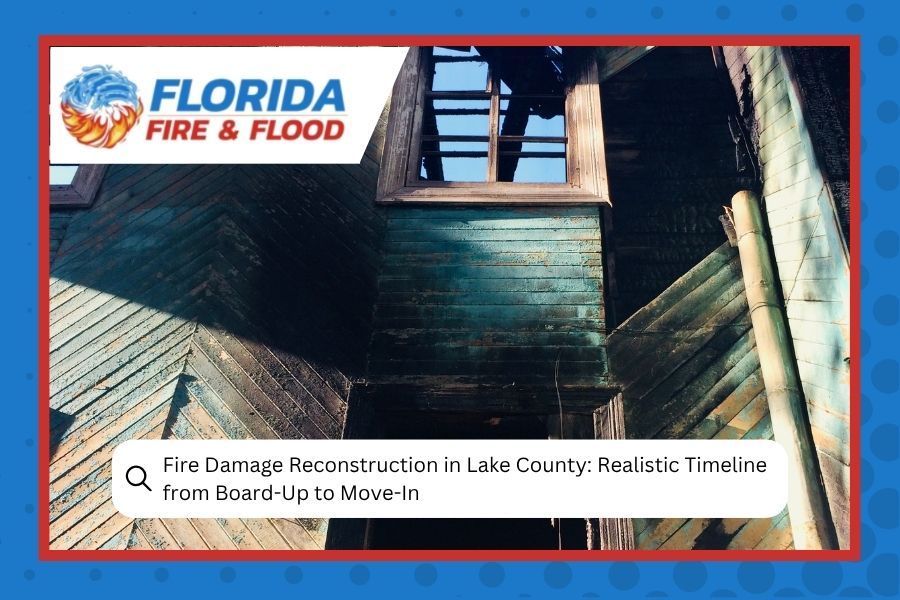
See the fire damage reconstruction timeline Lake County homeowners can expect, from board-up to move-in, plus the permit and insurance delays to plan for.

Firefighting water soaks floors, walls, and ceilings far past the burn zone. Learn why extraction and drying must run alongside fire and smoke cleanup.
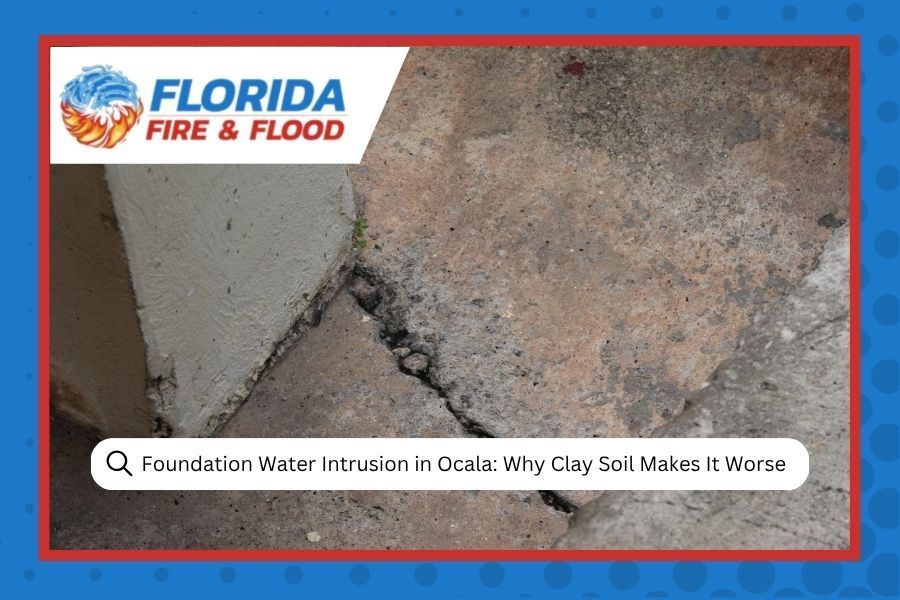
Foundation water intrusion in Ocala starts with clay soil. Learn the warning signs, how it differs from a plumbing leak, and when it is time to call us.
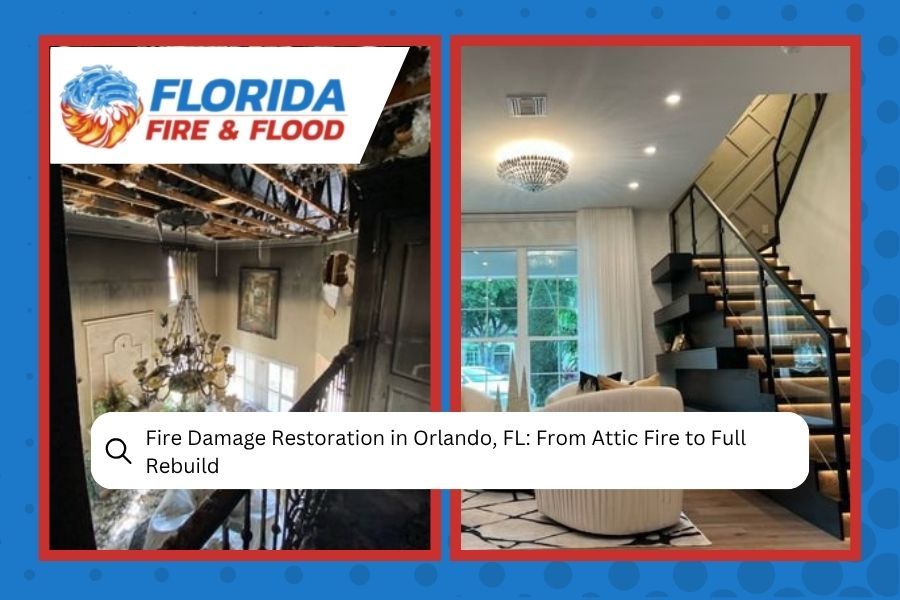
An attic fire took out the top floor of this Orlando home. See how our team rebuilt it, from the first tarp on the roof to finished kitchen and baths.
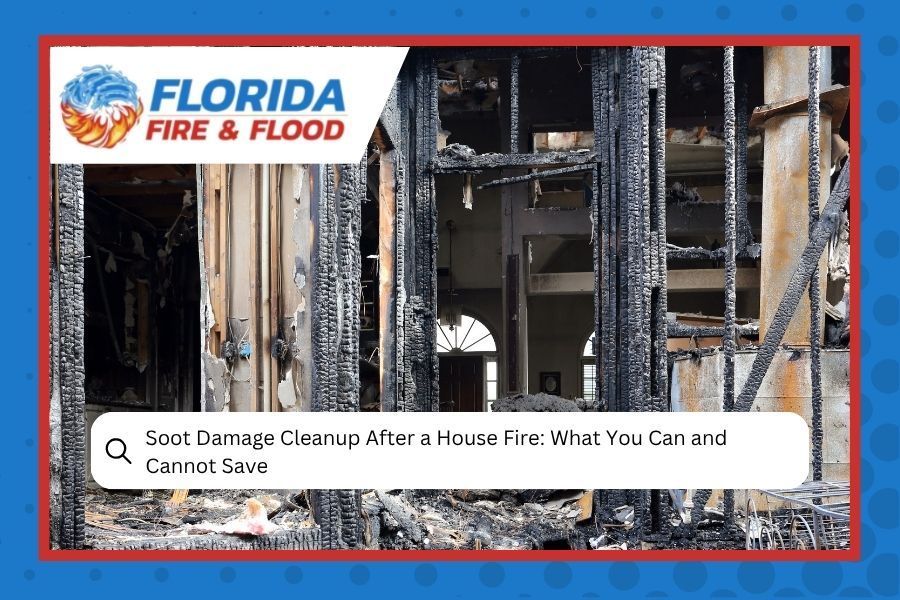
Soot damage cleanup after a house fire: learn what our IICRC certified team can save and what to replace, from textiles to electronics. Free consultation.
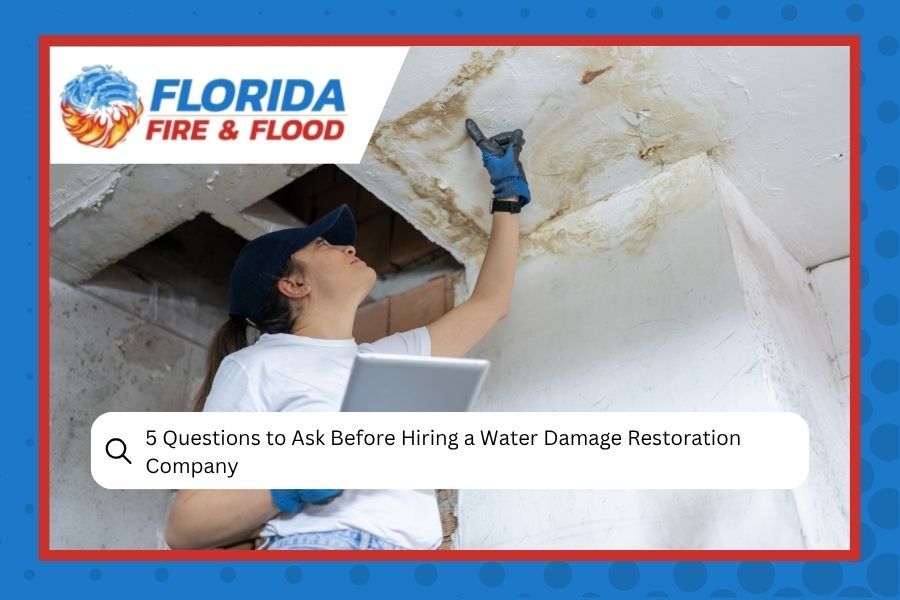
Hiring a water damage restoration company? Ask these 5 smart questions about certification, insurance, response time, gear, and repairs before you sign.