

AMRT - Applied Microbial Technician I, (Mold Remediation)

Secondary Water Damage from Firefighting Efforts: The Restoration Most Homeowners Forget
September 9, 2026
Randy Lazarus
Jump To
Water damage from firefighting usually reaches further into a home than the fire itself did. Hoses open up, and thousands of gallons hit the house in minutes. That is why water damage from firefighting gets its own scope of work, right beside the smoke and soot. Our IICRC certified team at Florida Fire & Flood handles both sides, all over Central Florida.
How Much Water Ends Up in Your House?
A single attack line can push well over 100 gallons a minute into a burning house. Even a quick knockdown adds up. Twenty minutes of water on a kitchen fire can mean a few thousand gallons inside your cabinets, floors, and walls. The flames stop, but the water keeps going.
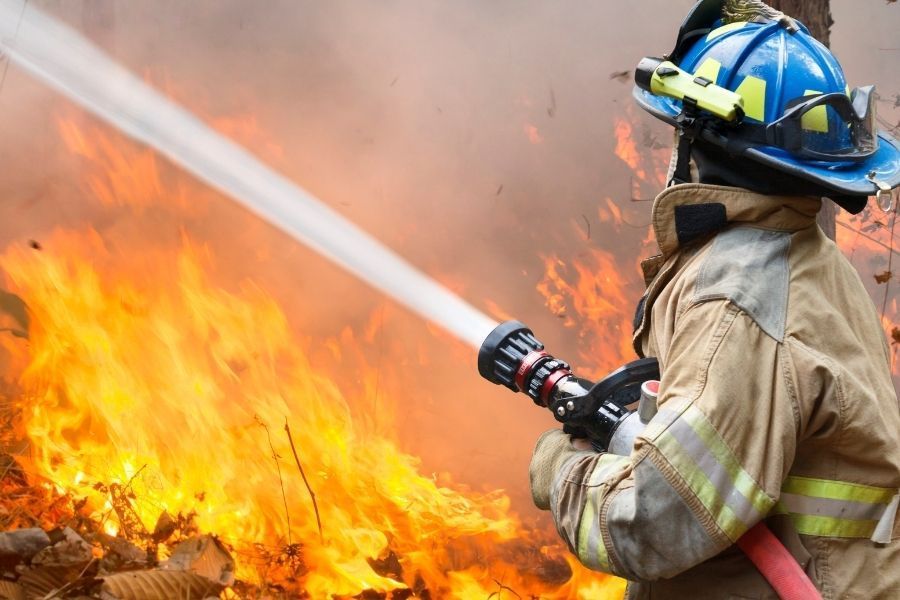
Fire crews use volume to stop the spread, and that volume ends up somewhere inside the house.
Firefighters are not there to protect your drywall. Their job is people first and spread second, and that takes real volume. We are thankful for it on every call. Somebody still has to deal with what all that water leaves behind, and that part is on us.
Fire is out, but the water is still sitting?
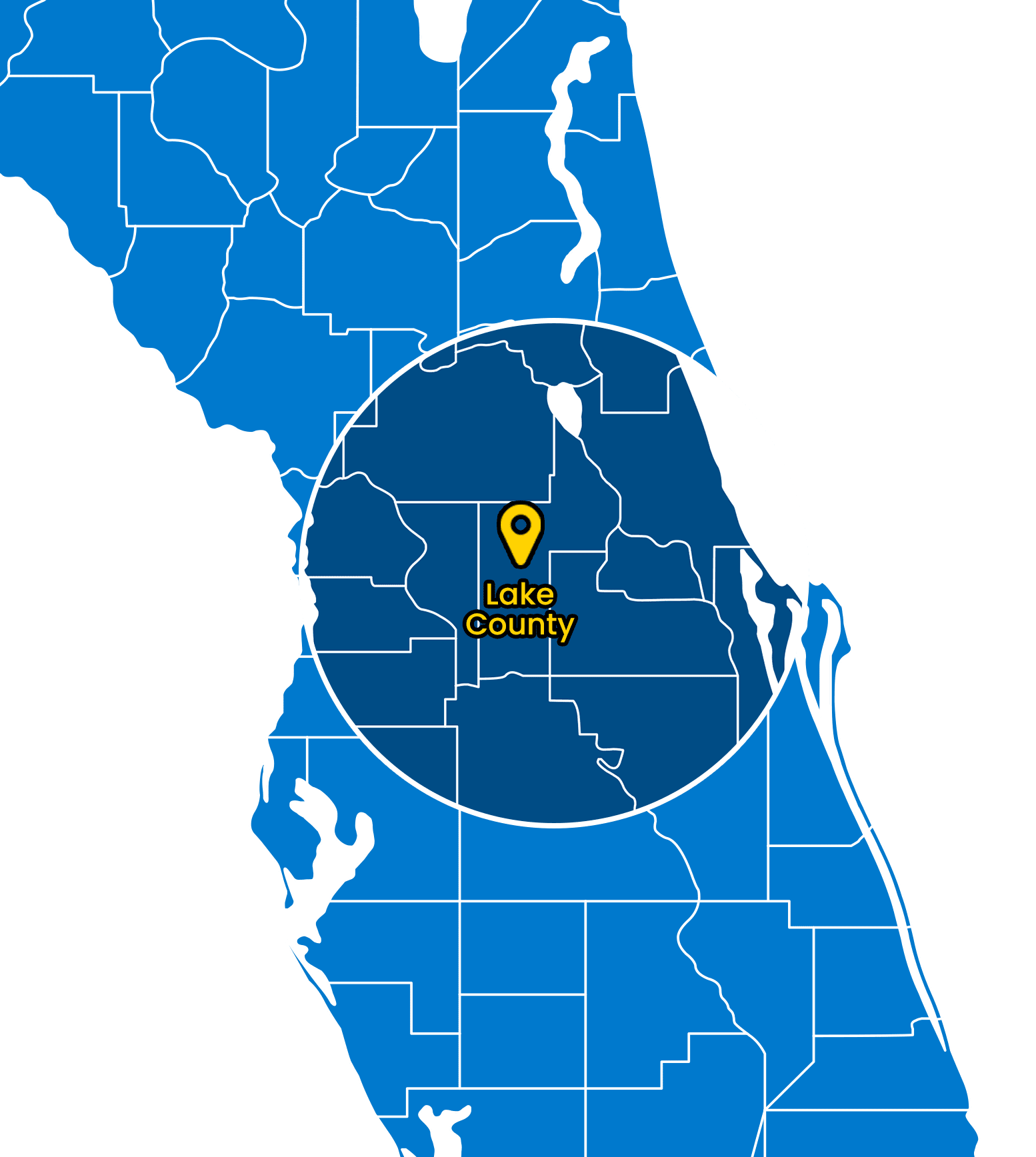
Every hour it sits, it moves deeper into the structure. We answer the phone around the clock across Lake, Orange, Sumter, Marion, and Citrus Counties.
Get a Free Consultation
Where Firefighting Water Hides After the Flames Are Out
Firefighting water follows gravity, not the burn pattern. It runs under flooring, drops inside wall cavities, and soaks through ceilings into rooms that never saw a flame. Most Central Florida homes sit on a concrete slab. Water spreads sideways there, then wicks up into the bottom of every wall it touches.
| Where the water goes | What it does there |
|---|---|
| Wall cavities and insulation | Wet insulation holds water for weeks and feeds mold |
| Under tile, wood, and laminate floors | Water tracks along the slab and creeps up baseboards |
| Ceilings below the fire room | Water pools on top of drywall until it sags or lets go |
| Cabinets and vanities | Pressed wood swells and stays damp long after it feels dry |
| Ducts and the air handler | Damp ducts carry smoke odor and spores into clean rooms |
None of that shows up in a walkthrough. We map it with moisture meters and thermal cameras. Guessing is how ceilings come down three weeks later.
Why Drying and Smoke Cleanup Happen at the Same Time
Extraction and drying have to run alongside the fire work, not after it. In Florida humidity, mold can take hold in 24 to 48 hours. Wet soot smears and sets. Wait for the smoke cleanup to finish and a fire job quietly turns into a mold remediation job.
Soot is acidic. Add water and it soaks in instead of resting on top. Then it goes to work on metal, glass, and grout. Our fire damage restoration crews pull standing water and set drying gear on day one, then clean as the house dries.
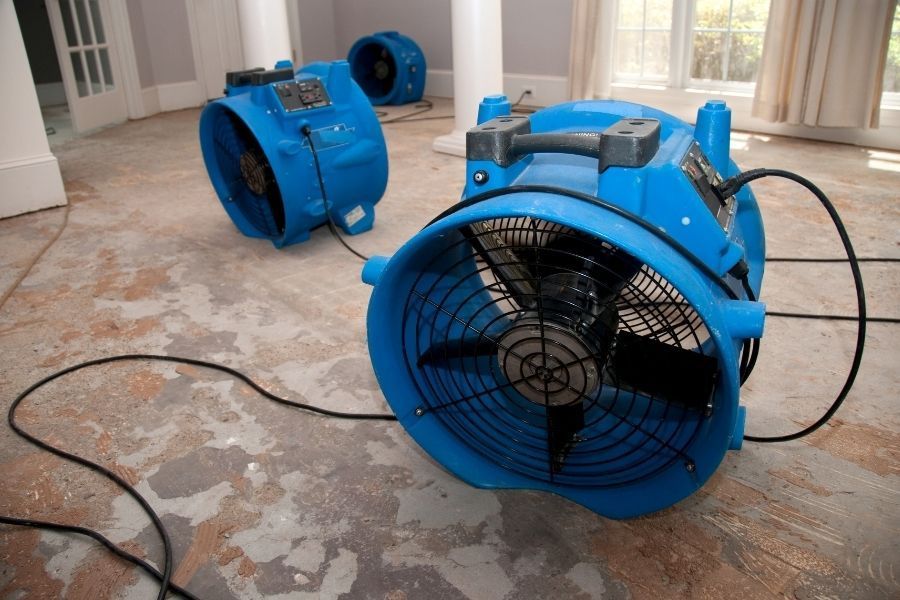
Drying equipment goes in while soot cleaning is still underway, not once it is finished.
The trade has two rulebooks here, S500 for water damage and S700 for fire and smoke damage. Read them side by side and the overlap jumps out. Odor is a water problem too. A wet house still smells like smoke, no matter how hard anyone scrubs.
Tap through the first 72 hours
Hours 0 to 6: stop the loss
Board up openings, tarp the roof, cut power to wet circuits, and pull standing water before it travels.
Hours 6 to 24: open it up and dry
Pull wet insulation and ruined materials, then set air movers and dehumidifiers to a written dry standard.
Hours 24 to 72: clean and watch
Soot cleaning and odor work begin, while daily readings prove the house is really drying out.
We broke down what happens during professional water extraction in a separate post. Our guide to soot damage cleanup after a house fire covers what survives that mix.
Documenting Fire and Water Damage in One Claim
Both losses belong in the same claim file, recorded at the same time. Most policies treat water used to put out a fire as part of the fire loss. Same event, same claim. If nobody captures the water side while it is still visible, it gets much harder to argue for later.
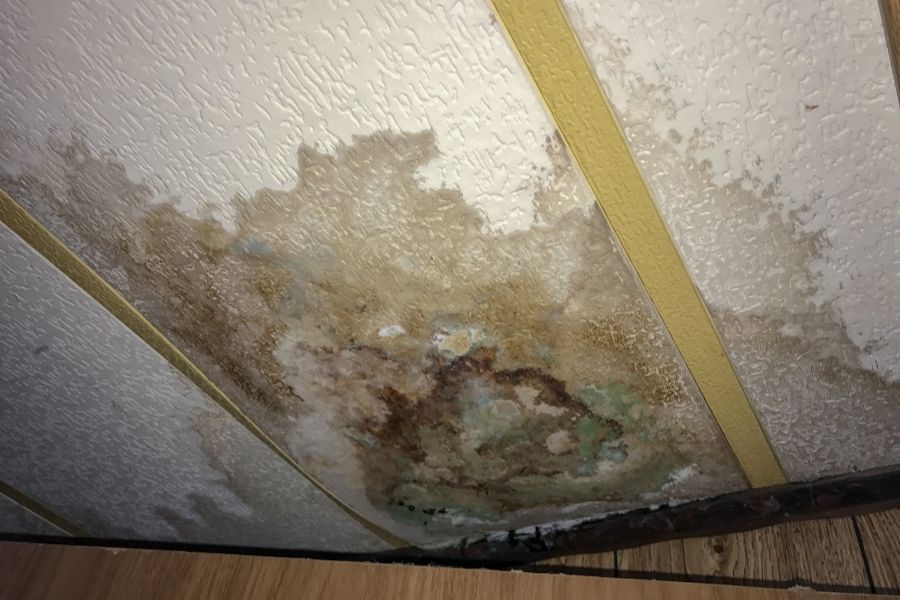
Damage like this sits one floor below the burn zone and often gets missed on the first walkthrough.
Here is what we photograph before anything moves:
- Wide shots of every room, including the ones that only got wet
- Tight photos of soaked carpet, swollen baseboards, and sagging drywall
- Moisture readings with dates, room by room
- The water line on walls and cabinet bases
- A written list of contents that were wet rather than burned.
We write estimates in Xactimate, the same software most adjusters use. The fire scope and the water scope land in one file, in the format they expect. That matters more than people think. Our post on smoke damage insurance claims in Florida covers the coverage side.
Want a second set of eyes? The USFA and FEMA guide After the Fire: Returning to Normal is worth ten minutes before the adjuster shows up.
Fire and Water, One Job
The fastest recoveries happen when one team owns the fire damage and the water damage together. No finger pointing over who dries the subfloor. No second trip. Our family owned crew is IICRC certified in both, works directly with your insurer, and covers Central Florida around the clock.
Questions We Hear After a Fire
Does homeowners insurance cover water damage from putting out a fire?
In most cases, yes. Water used on a covered fire is usually handled inside that same fire claim, not as a separate water claim. Check your policy, and record both types of damage together so the full loss is on file.
How long does it take to dry a house after a fire?
Three to five days is common. Homes with hardwood, plaster, or water trapped under a slab often run longer. Moisture readings decide when equipment leaves, not the calendar.
Can mold really grow in a house that just burned?
It can, and it does. Fire does not sterilize a building, and the water left behind creates exactly the damp conditions mold needs. Central Florida humidity shortens that window to roughly 24 to 48 hours.
Should the water be removed before soot cleaning starts?
Standing water comes out first, always. After that, drying and soot cleaning run at the same time. Cleaning surfaces in a house that is still soaking wet means redoing the work once materials finish moving.

Randy Lazarus
About The Author:
Randy Lazarus is the owner of Florida Fire & Flood, a locally owned and family-operated restoration company serving Central Florida communities since 2021. Leading a team of IICRC-certified technicians, Randy has built a reputation for providing 24/7 emergency response and compassionate service to homeowners and businesses facing water damage, fire damage, and mold emergencies. As a member of the Central Florida community, Randy understands the unique challenges property owners face in the region and is dedicated to helping his neighbors restore their properties and get back to normal life.
Read More:
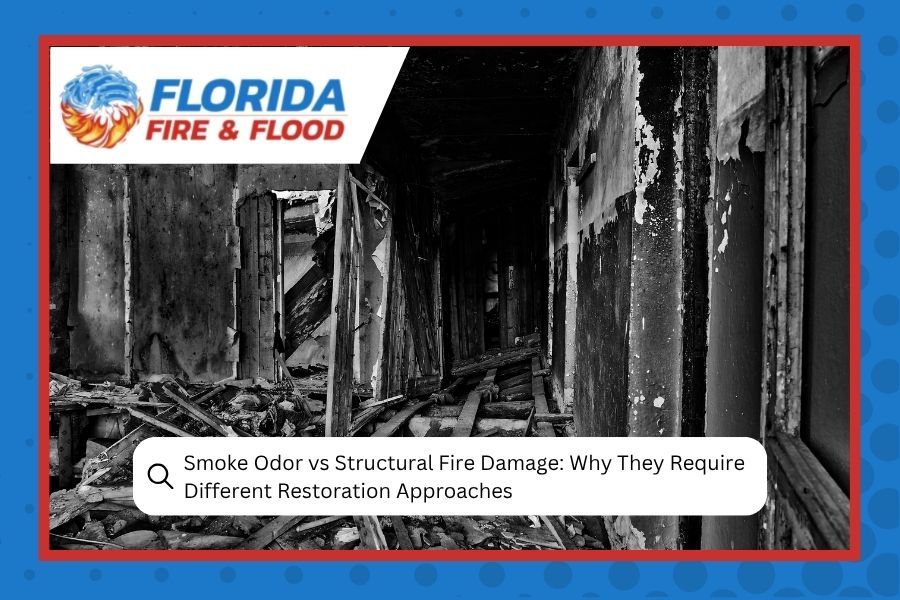
Smoke odor removal vs fire damage restoration explained: why odor and structural damage need different methods, timelines, and claims in Central Florida.
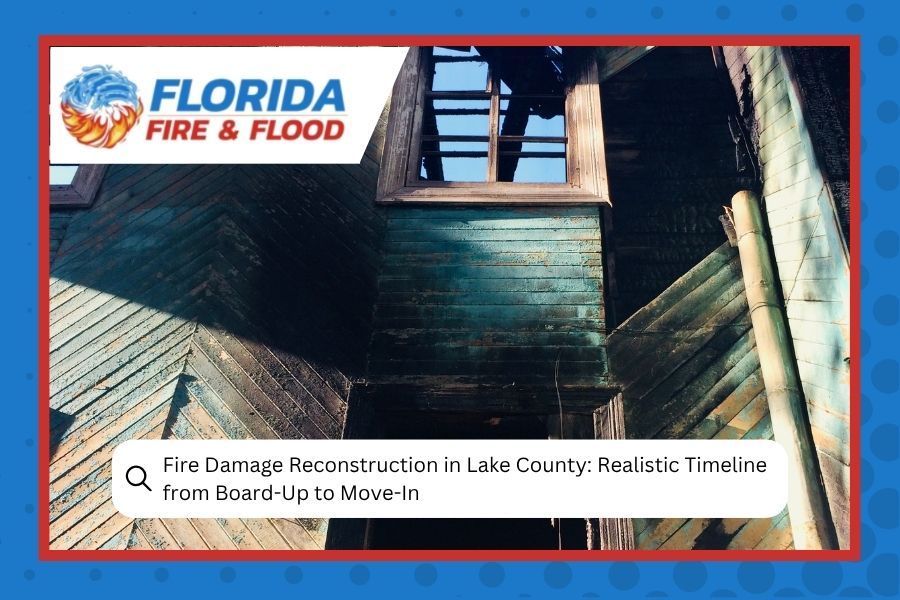
See the fire damage reconstruction timeline Lake County homeowners can expect, from board-up to move-in, plus the permit and insurance delays to plan for.
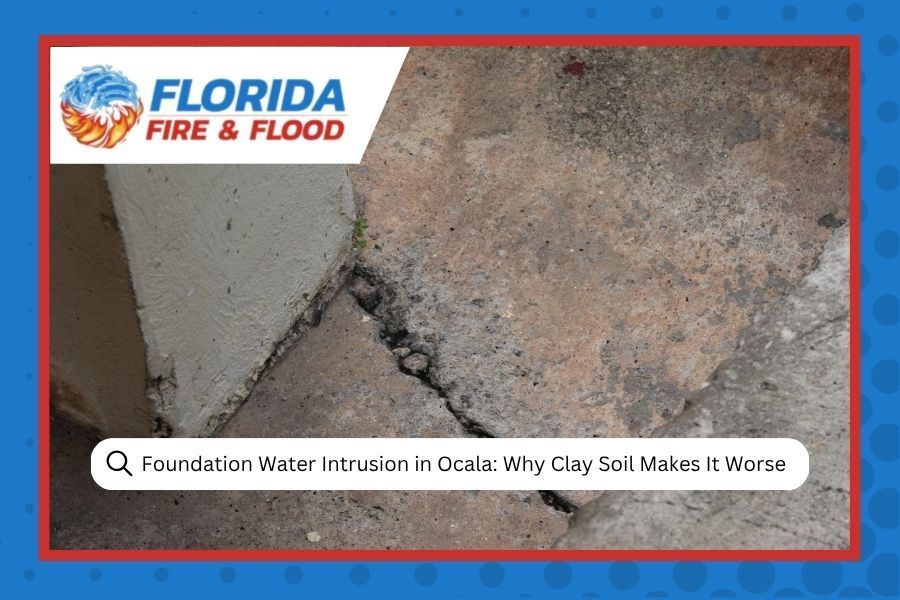
Foundation water intrusion in Ocala starts with clay soil. Learn the warning signs, how it differs from a plumbing leak, and when it is time to call us.
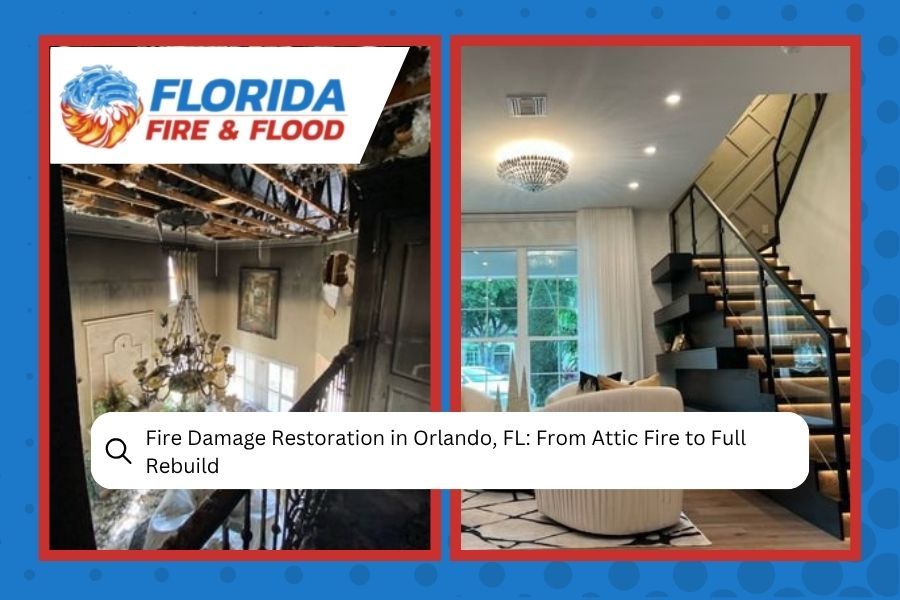
An attic fire took out the top floor of this Orlando home. See how our team rebuilt it, from the first tarp on the roof to finished kitchen and baths.
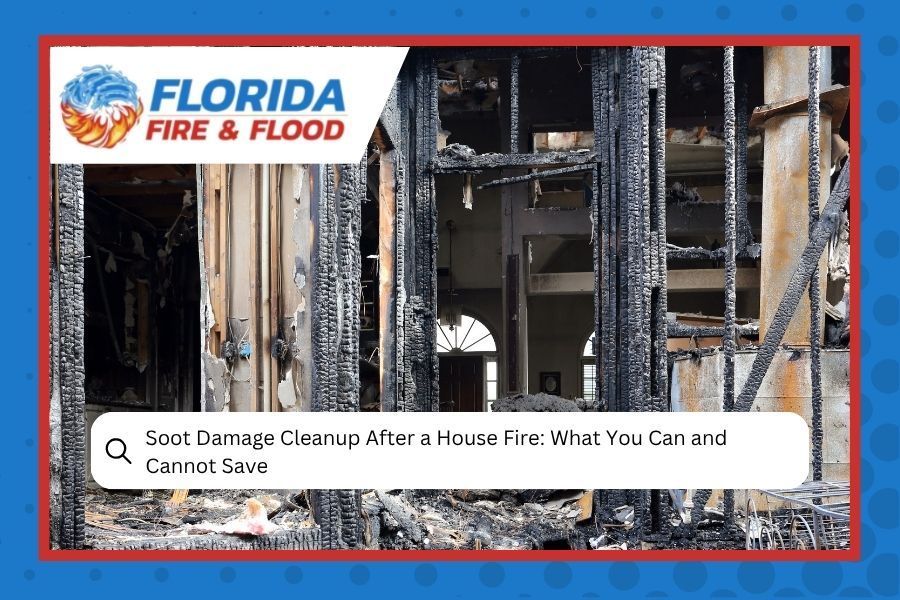
Soot damage cleanup after a house fire: learn what our IICRC certified team can save and what to replace, from textiles to electronics. Free consultation.
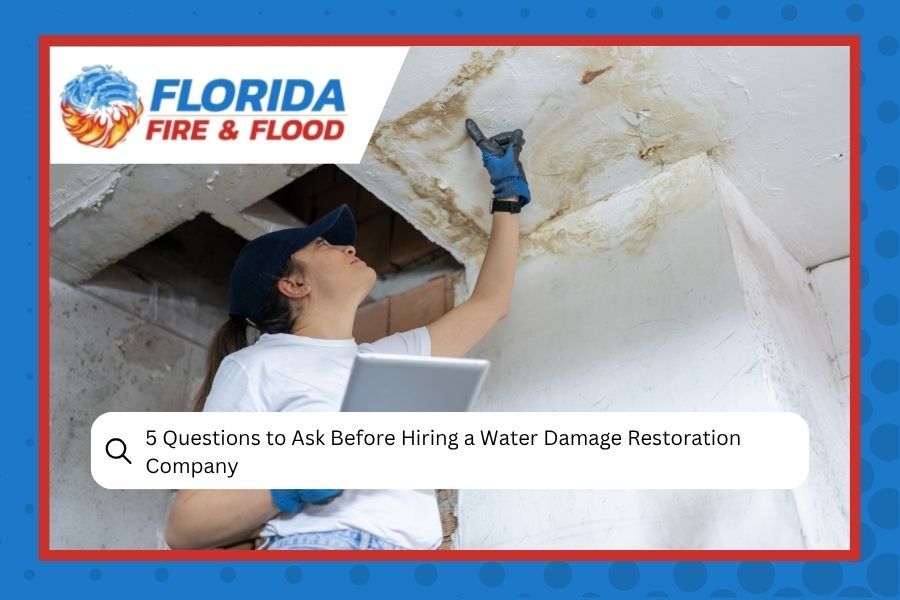
Hiring a water damage restoration company? Ask these 5 smart questions about certification, insurance, response time, gear, and repairs before you sign.