

AMRT - Applied Microbial Technician I, (Mold Remediation)
Soot Damage Cleanup After a House Fire: What You Can and Cannot Save
August 11, 2026
Randy Lazarus
Jump To
After a house fire, some things can be saved and some cannot, and the answer depends on the soot and how deep it sank in. Good soot damage cleanup starts with a careful look at each item, not a quick wipe. Our IICRC certified team at Florida Fire & Flood has cleaned smoke-damaged homes across Central Florida.
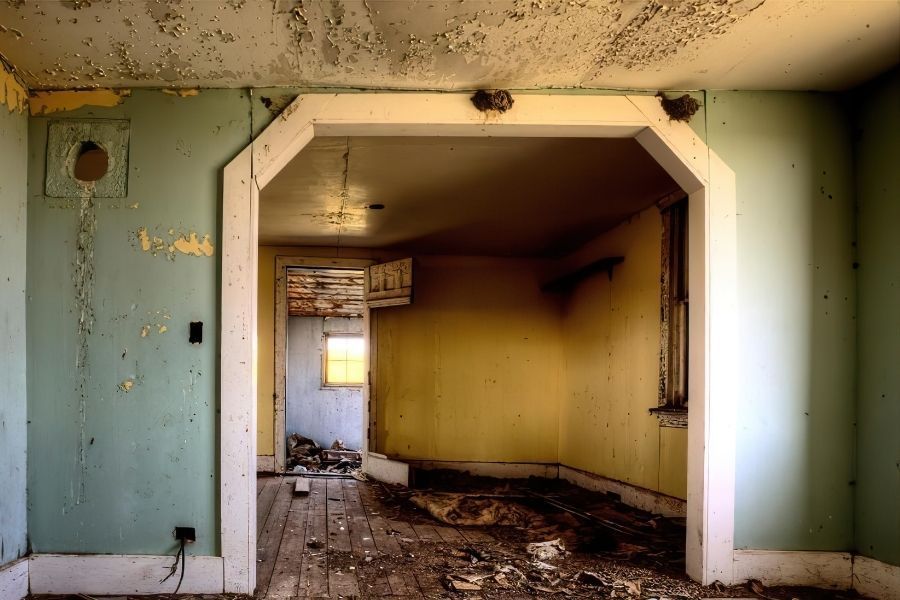
Soot travels far past the room where the fire started.
Soot Is Not Just One Kind of Mess
Soot is not one thing, and what fueled the fire changes how it acts. Paper and wood leave a dry, powdery film. Grease and plastic leave a sticky, oily one. That gap decides our method, and why one wrong wipe can spread it.
Dry Soot
Dry soot comes from fast-burning stuff like paper and wood. It feels powdery, like fine ash. We lift it with HEPA vacuums and dry chemical sponges. Wipe it with a wet cloth and you drive the stain deep into carpet and drywall.
Wet or Oily Soot
Oily soot is the sticky kind, from slow fires and anything with grease or plastic. Cleaning it takes pro degreasers and careful scrubbing. What saves a metal pan could wreck a painted wall.
| Soot Type | Comes From | Feels Like | Our Approach |
|---|---|---|---|
| Dry Soot | Paper, wood, natural materials | Powdery, dusty | HEPA vacuum, dry chemical sponges |
| Wet / Oily Soot | Grease, plastics, rubber, synthetics | Sticky, smeary | Degreasers, surface-specific cleaning |
Not sure what is safe to touch?
Let a certified tech look before you scrub. A free consultation can save items you might have tossed.
Talk to Our Restoration TeamHow We Decide What Stays and What Goes
We sort every item into groups, then test each surface before we clean it. A cotton shirt, a mug, and a laptop each need their own plan. Our methods follow the IICRC S700 fire and smoke standard. Sorting by material saves good pieces.
Textiles
This is clothing, bedding, curtains, and rugs. We check the fiber, the heat, the stains, and how deep the smell has set. Many washable fabrics do well with special laundering, dry cleaning, or odor treatment.
Hard Goods
Think furniture, dishes, glass, metal, and sealed wood. These hard, nonporous items are often the easiest wins. After a quick test, we may use hand cleaning, soaking, or ultrasonic cleaning, which lifts grime with sound waves.
Electronics
Do not power on anything that sat near the fire. Soot carries bits that conduct electricity or corrode metal. Flip a switch and you might fry the board or spark a short. Leave devices off for a specialist to clean.
Documents and Photographs
Books, photos, and paperwork turn fragile fast, and soot speeds it up. Freeze-drying, vacuum freeze-drying, and careful cleaning can rescue items you thought were lost. Scanning saves what the paper cannot keep.
Soft Goods
Soft goods soak up trouble. This covers sofas, mattresses, stuffed toys, and leather. Survival depends on how deep the soot went, how bad the odor is, and what the piece costs to replace.
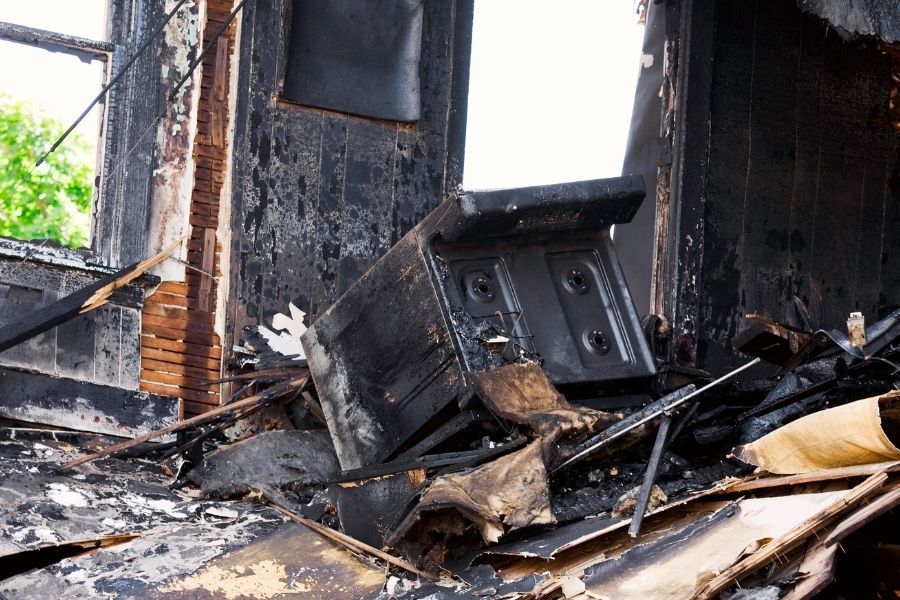
Some things are clearly beyond saving, and knowing what to let go of early keeps the cleanup moving.
Why the First Two Days Matter So Much
Soot is acidic, so the longer it sits, the more it stains and eats into surfaces. Within a couple of days, that acid can discolor metal, plastic, and fabric for good. Moving fast gives more of your things a fighting chance. The federal After the Fire homeowner guide covers those steps too.
Still, two days is not a hard rule. Some items fade faster, some hold on longer, depending on the material and the heat.
What acidic soot can do if cleanup waits
- Yellow or pit shiny metal like faucets and appliances
- Etch permanent shadows into countertops and finishes
- Set smoke odor deep into soft, porous items
- Stain grout, tile, and painted walls
What a Pack-Out Actually Looks Like
A pack-out means we move your belongings to a secure off-site facility to clean, then bring them home. It is a big step, no doubt. But cleaning fragile items in a clean space beats scrubbing them in a smoky, torn-up house. Knowing the wider fire damage restoration process helps.
Here is how our team runs a pack-out:
- Photograph and inventory every affected item, room by room.
- Sort each piece to save, toss, or flag for a specialist, then pack and label it by room.
- Move everything to our secure off-site facility to clean, deodorize, dry, and store.
- Return your restored belongings once repairs are finished.
That inventory pulls double duty. We build the estimate in Xactimate, the same software your adjuster uses, so your claim keeps moving. The photo list also helps with smoke damage insurance claims later.
The last step waits on the house. Once we finish any structural repairs and reconstruction, your clean things come home. Not sure what to fix or replace? Our guide to fire damage restoration costs can help.
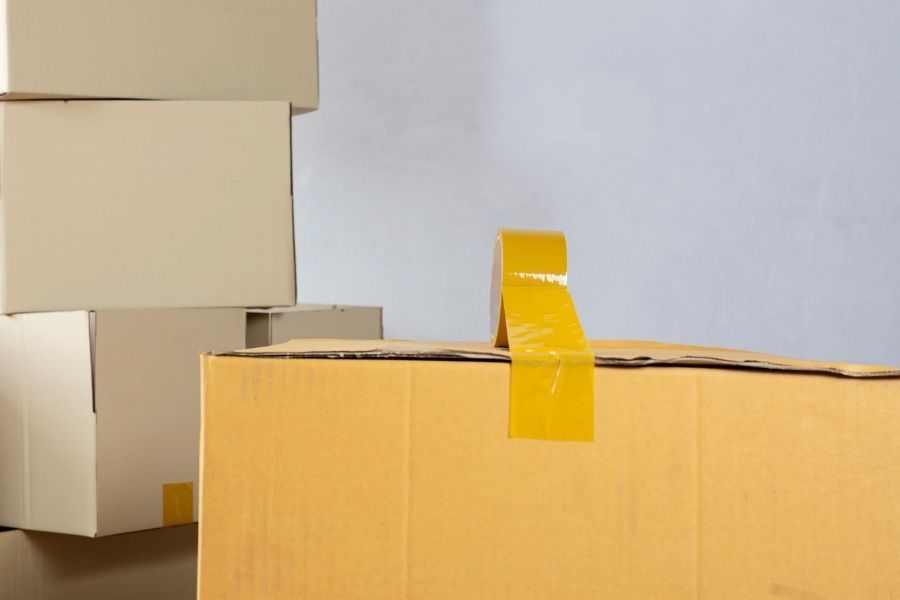
Salvageable belongings get packed and inventoried for off site cleaning, then returned once the smoke odor is gone.
Frequently Asked Questions
Can smoke smell really be removed from clothes and furniture?
Often, yes. Odor hides in the fibers, so we treat the source with special laundering and deodorizing, not just a spray. Deeply soaked foam is tougher, and sometimes a swap is smarter.
Why can't I turn on my electronics to check if they still work?
Soot can leave bits that conduct electricity or corrode metal. Powering a device on may short it or cause more harm. Let a specialist clean and test it first.
Is it safe to clean soot off the walls myself before the pros arrive?
We would hold off. Wiping soot, mostly the oily kind, grinds it deeper and sets a stain you cannot undo. A quick call for a free consultation is safer.
Does homeowners insurance pay to clean or replace items after a fire?
Many policies cover cleaning and replacement after a covered fire, though limits vary. That is why we photograph and inventory everything up front. Good records back up your claim.
A house fire turns your world upside down, but much of what you love can still come back. Our team at Florida Fire & Flood answers 24/7 and works right with your insurer. Reach out for a free consultation whenever you are ready.

Randy Lazarus
About The Author:
Randy Lazarus is the owner of Florida Fire & Flood, a locally owned and family-operated restoration company serving Central Florida communities since 2021. Leading a team of IICRC-certified technicians, Randy has built a reputation for providing 24/7 emergency response and compassionate service to homeowners and businesses facing water damage, fire damage, and mold emergencies. As a member of the Central Florida community, Randy understands the unique challenges property owners face in the region and is dedicated to helping his neighbors restore their properties and get back to normal life.
Read More:

Firefighting water soaks floors, walls, and ceilings far past the burn zone. Learn why extraction and drying must run alongside fire and smoke cleanup.
Foundation water intrusion in Ocala starts with clay soil. Learn the warning signs, how it differs from a plumbing leak, and when it is time to call us.
An attic fire took out the top floor of this Orlando home. See how our team rebuilt it, from the first tarp on the roof to finished kitchen and baths.
Hiring a water damage restoration company? Ask these 5 smart questions about certification, insurance, response time, gear, and repairs before you sign.
High water pressure damages pipes in Eustis homes. Learn the safe PSI range, regulator warning signs, and how to catch hidden leaks before they spread.

Wondering what water damage restoration costs in Lake County? Florida Fire & Flood breaks down pricing by water category, square footage, and scope.