


AMRT - Applied Microbial Technician I, (Mold Remediation)
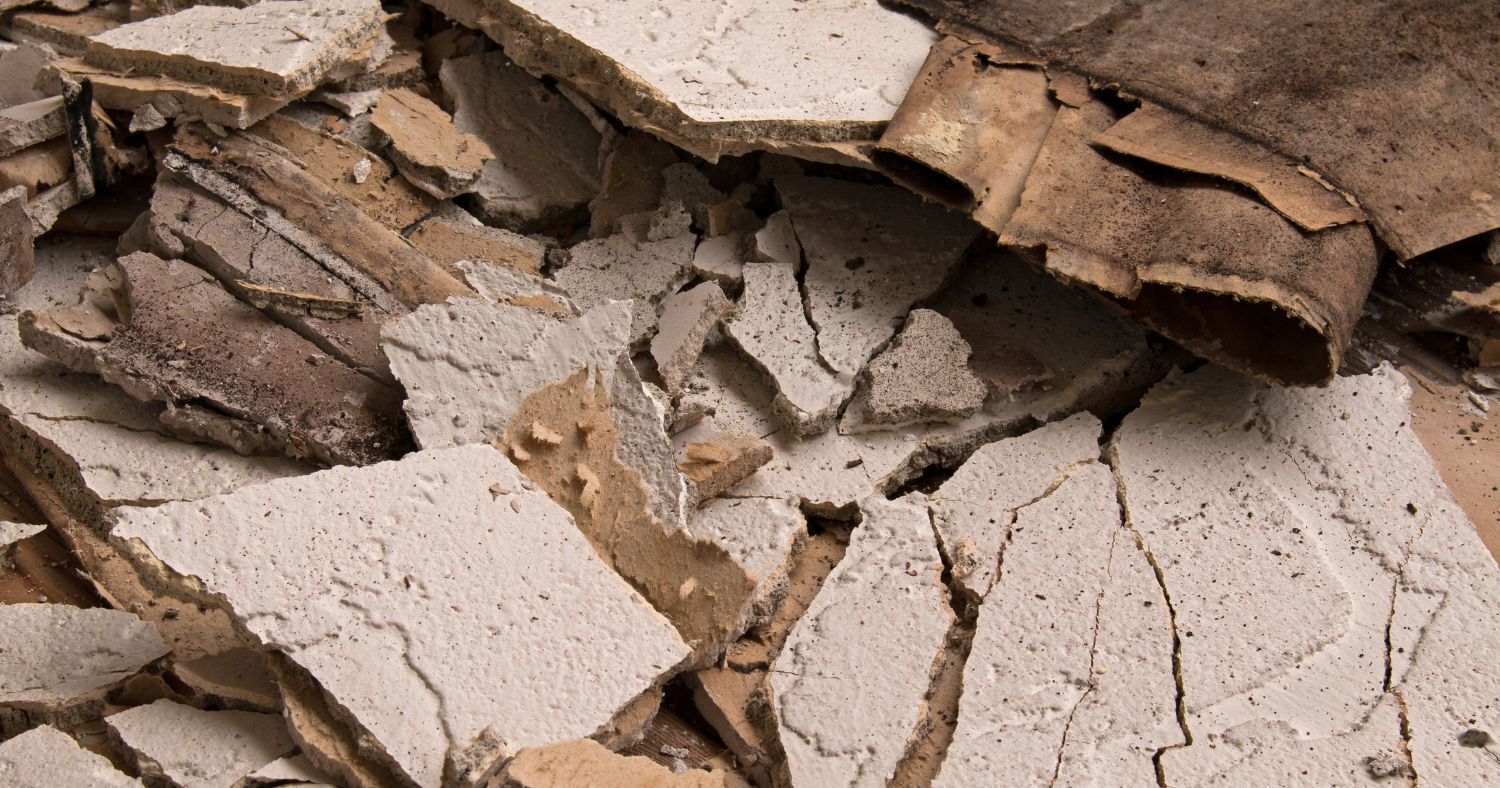
The Ultimate Guide to Water Damage Stucco Repair: Causes, Solutions, and Prevention
September 24, 2024
Randy Lazarus
Water damage to stucco can be a serious problem for homeowners, impacting both the appearance and structural integrity of your home. Whether due to poor drainage, cracks, or faulty flashing, water can seep into the stucco and cause extensive damage that requires immediate attention. If left untreated, this damage can worsen over time, leading to costly repairs. We’ll explore everything you need to know about water damage stucco repair. For those in need of professional help, companies specializing in Central Florida water damage restoration can provide the expertise required to restore your home.
Stucco Water Damage: Common Causes
Stucco is a popular exterior finish due to its durability and aesthetic appeal. However, it’s not immune to water damage. These issues can quickly escalate, making stucco water damage repair necessary to prevent further problems. Here are some common causes of stucco water damage:
- Poor Drainage: Inefficient drainage around your home can lead to water pooling near the foundation, eventually seeping into the stucco.
- Cracks and Gaps: Small cracks or gaps in the stucco can allow water to enter, causing the stucco to weaken over time.
- Faulty Flashing: Flashing is meant to direct water away from vulnerable areas like windows and roofs. Water can find its way behind the stucco if the flashing is incorrectly installed or damaged.
Read More About - Common Causes of Water Damage
Signs of Water Damage in Stucco
Detecting water damage early is key to avoiding extensive stucco repairs. Here are some signs that indicate your stucco may be water-damaged:
- Staining and Discoloration: Dark spots or stains on the stucco surface often indicate water intrusion.
- Bubbling or Blistering: Bubbling or blistering of the stucco finish suggests moisture trapped beneath the surface.
- Cracking: Cracks in the stucco, especially around windows or doors, can be a clear sign of water damage.
- Ceiling Issues: If water damage extends to the ceiling, you might notice peeling paint, water stains, or sagging. Repairing stucco ceiling water damage requires immediate action to prevent further complications.
How to Repair Stucco Water Damage: Step-by-Step Guide
Repairing stucco water damage can be done with the right tools and materials. Here’s a simple step-by-step guide:
Assess the Damage
The first step in repairing stucco water damage is to thoroughly inspect the affected areas. Look for visible signs such as cracks, discoloration, or bubbling. Check around windows, doors, and other areas prone to water exposure, including areas prone to water damage under sink. Pay special attention to ceilings if you suspect water damage has spread beyond the walls.
Remove Damaged Stucco
Once you’ve identified the damaged areas, the next step is to remove the compromised stucco. Use a chisel or hammer to carefully chip away the damaged stucco, taking care not to harm the underlying wall structure. This process requires patience, as you’ll need to ensure that only the damaged material is removed while preserving the integrity of the surrounding areas.
Apply Sealant
With the damaged stucco removed, it’s crucial to apply a sealant to the exposed area. This step helps prevent further water intrusion by sealing off the underlying wall, providing a barrier against future moisture exposure. Choose a high-quality sealant designed for stucco to ensure a long-lasting seal. This can also help mitigate future water damage cleanup costs.
Patch the Stucco
After sealing the exposed area, it’s time to patch the stucco. Mix fresh stucco according to the manufacturer’s instructions. Make sure the consistency matches the existing stucco on your home. Using a trowel, apply the stucco mix to the damaged area, smoothing it out to blend seamlessly with the surrounding surface. Take your time to match the texture as closely as possible, using texturing tools if needed.
Repair Stucco Ceiling Water Damage
Repairing stucco ceiling water damage involves a few extra steps due to the nature of working overhead. Begin by removing any damaged ceiling materials, such as cracked stucco or peeling paint. Once the area is cleared, apply a sealant to the ceiling to protect against future moisture issues. Next, apply fresh stucco to the damaged ceiling, carefully smoothing and blending it to match the existing texture.
Read About -
How To Fix Water-Damaged Drywall
Water Damage Stucco Repair: Professional Repair vs. DIY
Deciding whether to tackle stucco repair water damage yourself or hire a professional depends on the damage severity and your comfort level with repairs. DIY repairs can save money, but they may not handle underlying issues, leading to further damage:
- DIY Repairs: Suitable for minor damage, such as small cracks or localized stains.
- Professional Services: Ideal for extensive damage or when the source of the problem is unclear. Professionals certified by the IICRC have the expertise and tools needed to properly assess and repair stucco water damage.
Preventing Future Water Damage to Stucco
Preventing water damage to stucco starts with regular maintenance and inspections. Implementing these preventive measures can save you from costly repairs and keep your stucco looking great:
- Seal Cracks and Gaps: Routinely inspect your stucco for cracks and seal them immediately.
- Proper Drainage: Ensure gutters and downspouts are directing water away from the house foundation.
- Regular Inspections: Schedule regular inspections, especially after heavy rain, to catch potential problems early.
Restore Your Stucco with Confidence – Trust Florida Fire & Flood!
Don’t let water damage compromise the beauty and safety of your home. Whether it’s cracked stucco, ceiling damage, or signs of moisture intrusion, Florida Fire & Flood has the expertise to handle all your stucco repair needs. Our certified professionals are ready to restore your home and protect it from future damage. Contact us today for a free inspection and let’s bring your stucco back to life! Call us at (352) 503-0902 or fill out an online form on our website.

Randy Lazarus
About The Author:
Randy Lazarus is the owner of Florida Fire & Flood, a locally owned and family-operated restoration company serving Central Florida communities since 2021. Leading a team of IICRC-certified technicians, Randy has built a reputation for providing 24/7 emergency response and compassionate service to homeowners and businesses facing water damage, fire damage, and mold emergencies. As a member of the Central Florida community, Randy understands the unique challenges property owners face in the region and is dedicated to helping his neighbors restore their properties and get back to normal life.
Read More:

Firefighting water soaks floors, walls, and ceilings far past the burn zone. Learn why extraction and drying must run alongside fire and smoke cleanup.
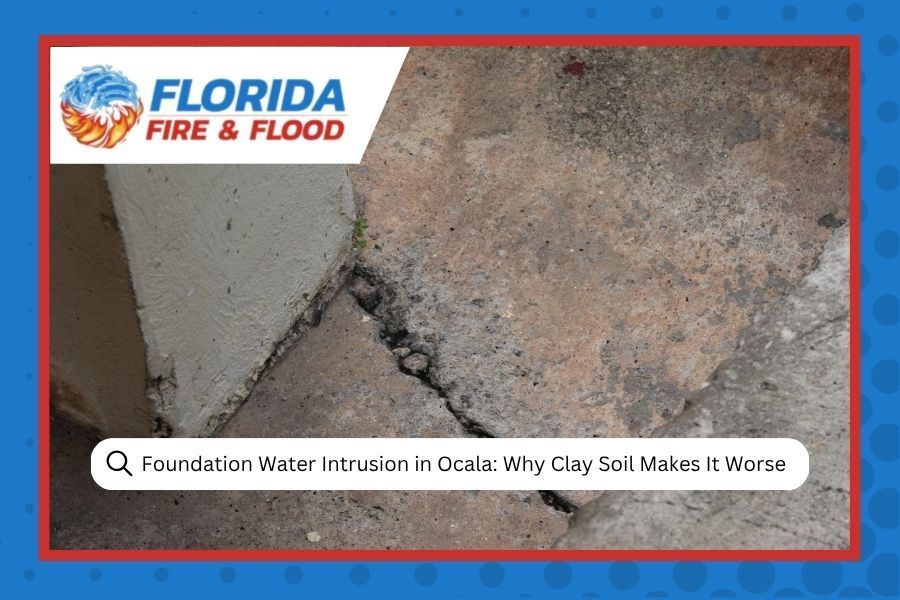
Foundation water intrusion in Ocala starts with clay soil. Learn the warning signs, how it differs from a plumbing leak, and when it is time to call us.

An attic fire took out the top floor of this Orlando home. See how our team rebuilt it, from the first tarp on the roof to finished kitchen and baths.
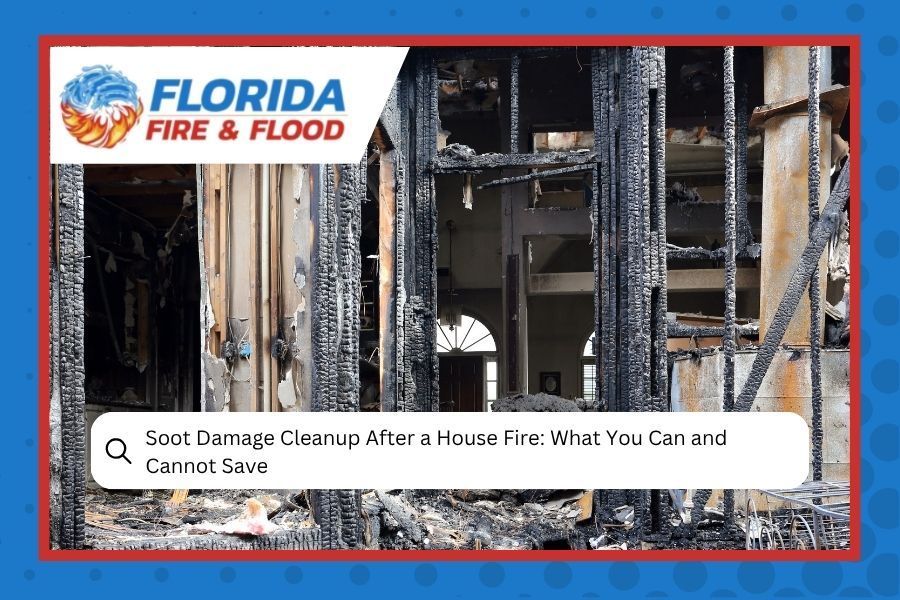
Soot damage cleanup after a house fire: learn what our IICRC certified team can save and what to replace, from textiles to electronics. Free consultation.
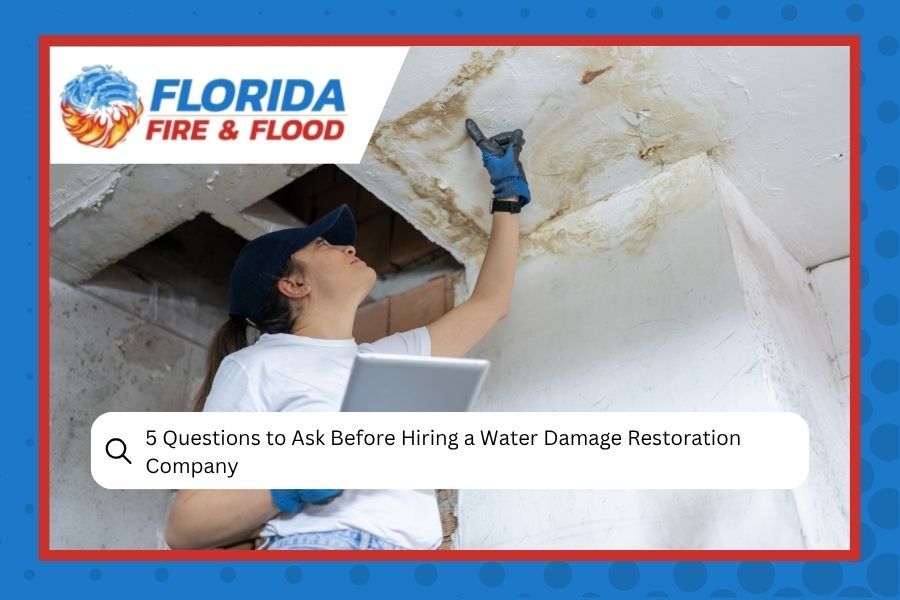
Hiring a water damage restoration company? Ask these 5 smart questions about certification, insurance, response time, gear, and repairs before you sign.
High water pressure damages pipes in Eustis homes. Learn the safe PSI range, regulator warning signs, and how to catch hidden leaks before they spread.