
AMRT - Applied Microbial Technician I, (Mold Remediation)
Understanding Category 3 Water Damage: Causes, Risks, and Remediation Tips
April 8, 2024
Randy Lazarus
If you're dealing with water damage restoration, understanding the severity of water damage categories is more than important. Among them, Category 3 water damage brings about significant challenges and risks. In this blog post, we'll dive into what exactly Category 3 water damage entails, its causes, risks involved, common signs to look out for, steps to tackle the damage, and preventive measures. If you are experiencing water damage, keep reading to discover a reliable professional solution for
water damage restoration Central Florida.
What Are Water Damage Categories?
According to IICRC,
water damage categories classify the level of contamination in water that has caused damage. They range from Category 1 (clean water) to Category 3 (black water). Each category requires specific approaches for remediation to ensure safety and restoration.
What Is Category 3 Water Damage?
Category 3, also referred to as Category 3
black
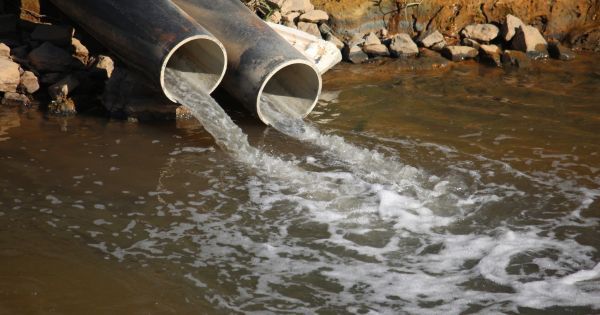
water damage, is the most severe type of water damage. It involves highly contaminated water, typically containing pathogens, toxins, and other dangerous substances. This water can come from sewage backups, flooding from rivers or oceans, or stagnant water sources. The presence of Category 3 water damage requires fast action to prevent further structural deterioration.
What Are the Causes of Category 3 Water Damage?
As mentioned above, several factors can lead to Category 3 water damage. These are the most common ones:
- Sewage backups:
Clogged pipes or sewer line issues can result in sewage backups, causing highly contaminated water to enter properties.
- Natural disasters:
Events like hurricanes, floods, or storms can bring in floodwaters contaminated with sewage and other hazardous substances, leading to widespread Category 3 water damage.
- Groundwater Seepage:
High water tables or poor drainage around the property can lead to groundwater seepage into basements or lower levels of buildings, carrying contaminants and causing Category 3 water damage.
- Broken Water Mains: Breaks or leaks in municipal water mains can introduce contaminated water into properties, especially if the main is damaged by soil contaminants or sewage.
Discover the
causes of water damage and how they can impact your home.
What Are the Risks of Category 3 Water Damage?
Category 3 water damage carries significant health risks due to its contaminated nature. Exposure to pathogens, bacteria, and toxins from Category 3 water can lead to serious health issues upon exposure.
- Gastrointestinal Infections: Swallowing or coming into contact with contaminated water can lead to gastrointestinal illnesses, causing symptoms such as nausea, vomiting, diarrhea, and stomach cramps.
- Respiratory Issues: Inhalation of airborne contaminants present in Category 3 water, such as mold spores or bacteria, can result in respiratory problems, including coughing, wheezing, shortness of breath, and worsening of asthma or allergies.
- Skin Infections: Direct contact with contaminated water can lead to skin infections, including dermatitis, rashes, and bacterial infections, particularly in individuals with open wounds or weaker immune systems.
Immediate action, including thorough cleaning and disinfection, is essential to minimize the health risks associated with Category 3 water damage and prevent further exposure to harmful contaminants.
Common Signs of Category 3 Water Damage?
Identifying Category 3 water damage early is crucial for prompt remediation. Common signs include:
- Foul odors:
Unpleasant smells, often resembling sewage or stagnant water, can indicate Category 3 water damage.
- Visible sewage backups:
Sewage backups, such as toilets overflowing or drains backing up, are clear indicators of Category 3 water damage.
- Contaminated water pooling indoors:
Pools or puddles of water indoors, particularly if they appear dirty or contain debris, suggest Category 3 water damage.
- Discolored or deteriorating surfaces:
Stains, discoloration, or deterioration of walls, ceilings, floors, and other surfaces may signal prolonged exposure to contaminated water.
- Presence of mold or mildew:
The growth of mold or mildew in damp areas, together with musty odors, indicates excessive moisture and potential Category 3 water damage.
Steps to Repairing the Damage Caused by Category 3 Water
Tackling Category 3 water damage requires thorough remediation that involves professional help. To ensure the safety of occupants and prevent further damage, these are the steps the restoration company typically follows:
- Safety Assessment: Professionals prioritize safety by wearing protective gear. They make sure electricity and gas are turned off before entering the affected area.
- Water Extraction: Next, they remove standing water using pumps and vacuums to prevent further saturation of building materials.
- Cleanup and Disinfection: After water extraction, they thoroughly clean and disinfect all affected surfaces and materials to eliminate pathogens and contaminants.
- Mold Remediation: If mold growth is present, specialists work to remove mold and prevent its recurrence using antimicrobial sprays.
- Drying and Dehumidification: Using industrial-grade equipment, they start the drying out of the area and reduce moisture levels to prevent mold growth.
- Restoration: Some of the companies offer repair or replacement of damaged building materials, furniture, and belongings to restore the property to its pre-damaged condition.
Prevention Tips
While some causes of Category 3 water damage, such as natural disasters, may be unavoidable, there are proactive measures that can significantly reduce damage:
- Regular Maintenance: Schedule routine inspections and maintenance of plumbing systems, including pipes, drains, and sewer lines, to prevent blockages and leaks.
- Proper Waste Disposal: Avoid flushing items that can clog pipes and contribute to sewage backups, such as wipes, sanitary products, and grease.
- Landscape Management: Maintain proper drainage around your property to prevent water from pooling near the foundation during heavy rainfall.
- Sump Pump Installation:
Consider installing a sump pump in basements or low-lying areas prone to flooding to remove excess water and prevent damage.
Contact Florida Fire & Flood for Water Damage Restoration
If you're dealing with Category 3 water damage in Central Florida, don't hesitate to reach out to Florida Fire & Flood for professional assistance. Our experienced team understands the urgency of water damage situations and is equipped to handle the most challenging restoration tasks. From sewage cleanup to mold remediation, we offer thorough services to restore your property to its pre-damaged condition safely. Contact us today for solutions to your Category 3 water damage restoration needs. Give us a call at (352) 503-0902 or submit our online form to get advice or a free inspection.

Randy Lazarus
About The Author:
Randy Lazarus is the owner of Florida Fire & Flood, a locally owned and family-operated restoration company serving Central Florida communities since 2021. Leading a team of IICRC-certified technicians, Randy has built a reputation for providing 24/7 emergency response and compassionate service to homeowners and businesses facing water damage, fire damage, and mold emergencies. As a member of the Central Florida community, Randy understands the unique challenges property owners face in the region and is dedicated to helping his neighbors restore their properties and get back to normal life.
Read More:

Firefighting water soaks floors, walls, and ceilings far past the burn zone. Learn why extraction and drying must run alongside fire and smoke cleanup.
Foundation water intrusion in Ocala starts with clay soil. Learn the warning signs, how it differs from a plumbing leak, and when it is time to call us.
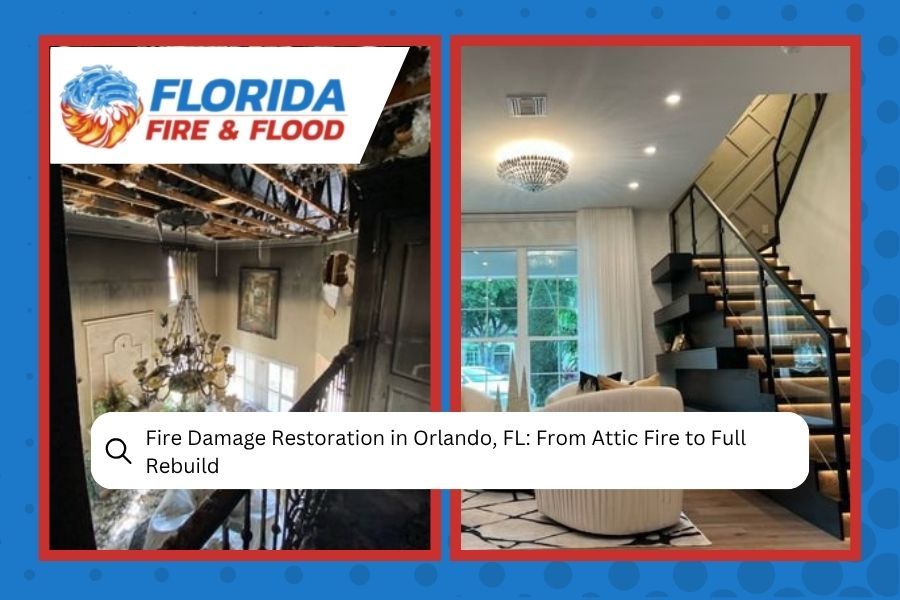
An attic fire took out the top floor of this Orlando home. See how our team rebuilt it, from the first tarp on the roof to finished kitchen and baths.
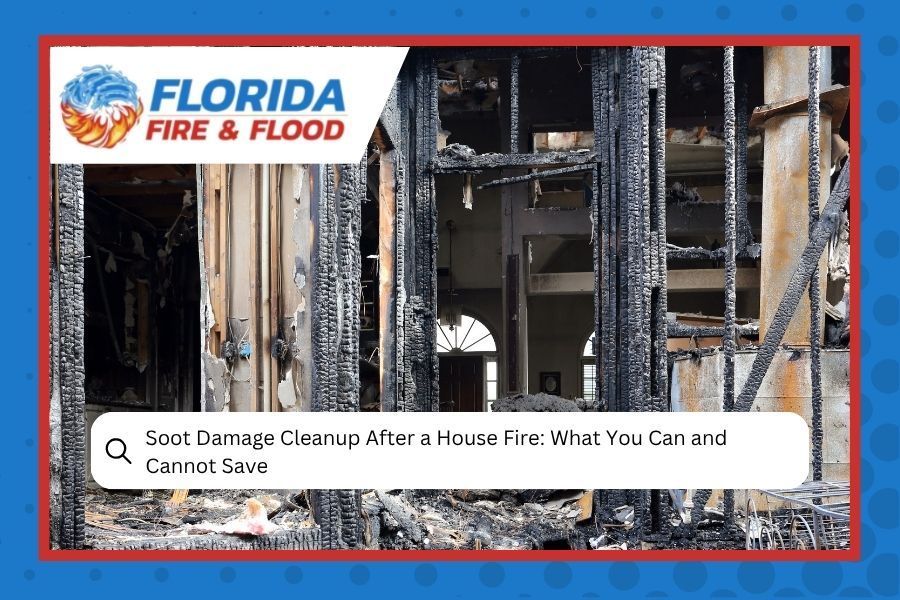
Soot damage cleanup after a house fire: learn what our IICRC certified team can save and what to replace, from textiles to electronics. Free consultation.
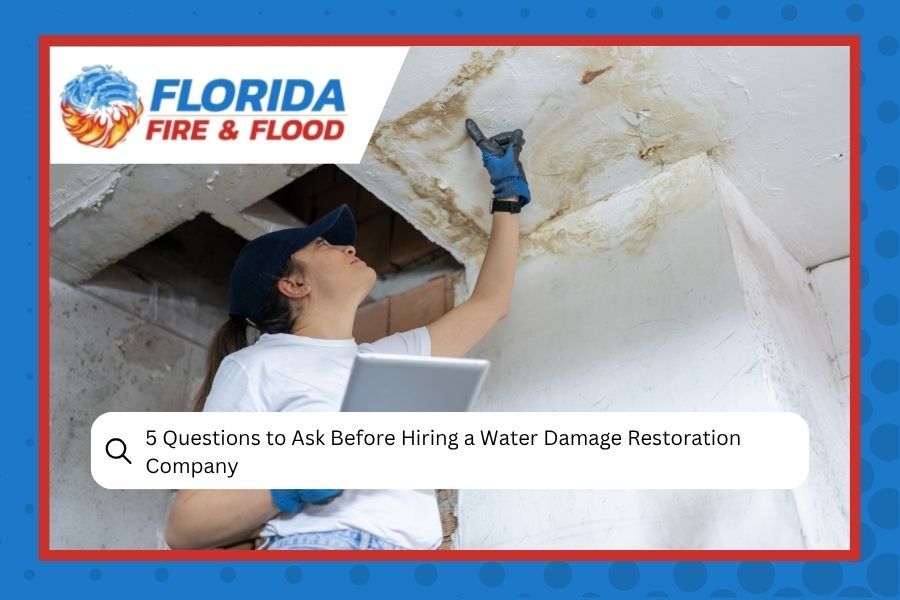
Hiring a water damage restoration company? Ask these 5 smart questions about certification, insurance, response time, gear, and repairs before you sign.
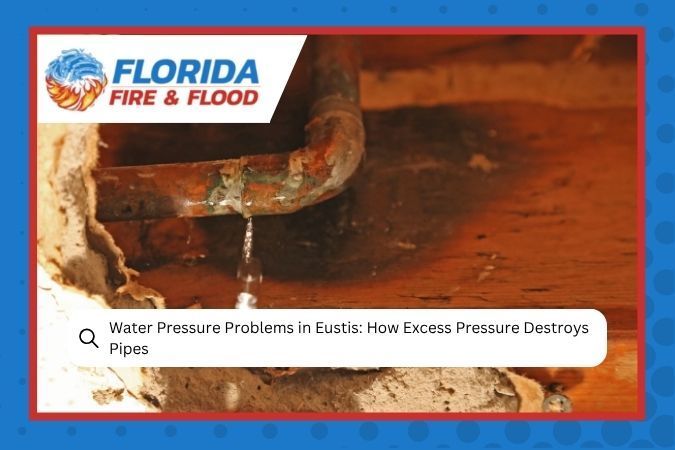
High water pressure damages pipes in Eustis homes. Learn the safe PSI range, regulator warning signs, and how to catch hidden leaks before they spread.