

AMRT - Applied Microbial Technician I, (Mold Remediation)
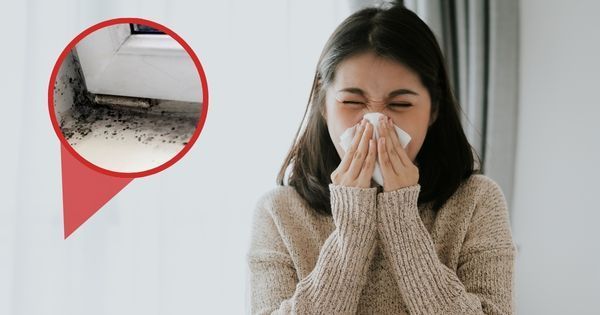
Do You Have Mold From Water Damage? Health Risks You Need to Know.
April 23, 2024
Randy Lazarus
If you've experienced water damage in your home or workplace, you're aware of the immediate effects - soaked carpets, damaged furniture, and structural damage. However, what often goes unnoticed is the potential for mold growth, which can carry serious health risks if left untreated. In places where water damage is not uncommon due to frequent rains and tropical storms, understanding the dangers of mold from water damage is key to maintaining a healthy indoor environment. If you need a recommendation of companies handling Mold Remediation In Central Florida, we’ve got you covered.
What Is Mold?
Mold is a type of fungus that develops in humid environments. It reproduces by releasing tiny spores into the air, which can then settle on surfaces and begin to grow. Mold plays a natural role in breaking down organic matter outdoors. But, indoors it can become a problem when it starts to spread, especially after water damage incidents. Read on to learn how mold from water damage health risks can affect you.
Can Mold from Water Damage Make You Sick?
Yes, mold from water damage can make you sick. The severity of the health effects depends on different factors, including the type of mold present, the extent of exposure, and individual sensitivity. While some people may experience mild symptoms, others may develop more serious health complications.
Identifying Mold Types
When dealing with mold from water damage, it's important to understand that not all molds are created equal. Different types of mold in Florida homes can grow in various environments, and some may carry greater health risks than others. Here are some common types of mold that you may face:
- Stachybotrys Chartarum: Perhaps the best-known type of mold, often referred to as black mold, develops in areas with excessive moisture and organic material. It has a dark green or black appearance and typically grows on materials with high cellulose content, such as drywall, wood, and paper. Early signs of black mold on ceilings include discoloration and a musty odor. Black mold can release mycotoxins, causing severe health problems such as respiratory issues and fatigue.
- Aspergillus: Aspergillus is a common indoor mold found in damp or water-damaged areas. It comes in different colors, including green, white, and yellow. While most strains of Aspergillus are relatively harmless to healthy individuals, certain species can produce mycotoxins that may cause respiratory infections and allergic reactions, particularly in people with weakened immune systems.
- Penicillium: Penicillium is another widespread indoor mold that often grows on water-damaged materials, such as wallpaper, insulation, and carpets. It typically appears blue or green and can produce musty odors. While some species of Penicillium are used in antibiotic production, others can release mycotoxins and allergens that may trigger respiratory symptoms, allergic reactions, and skin irritation.
- Alternaria: Alternaria is a mold commonly found in showers, basements, and kitchens. It has a velvety texture and ranges in color from green to brown. Exposure to Alternaria spores can trigger allergic reactions, asthma attacks, and other respiratory issues in sensitive individuals.
- Cladosporium: Cladosporium is a common outdoor mold that can also grow indoors on surfaces like carpets, fabrics, and wooden materials. It has a black or green appearance and may cause respiratory symptoms, including coughing, wheezing, and nasal blockage.
How Mold from Water Damage Health Risks Can Affect You Long-Term
As mentioned, mold growth indoors can lead to different health issues, ranging from respiratory problems to skin irritation and worsening of existing health conditions. In this section, we'll walk you through the specific mold from water damage health risks, shedding light on how it can impact your well-being.
- Respiratory Issues: Exposure to mold spores can trigger or worsen respiratory problems such as asthma and allergies. It can cause coughing, wheezing, and difficulty breathing, especially in individuals with pre-existing respiratory conditions.
- Skin Irritation: Mold exposure can also lead to skin irritation, including rashes, redness, and itchiness. This is particularly common in individuals with sensitive skin or those who come into direct contact with mold-affected surfaces.
- Eye Irritation: Mold spores can irritate the eyes, causing redness, itching, and watery eyes. Prolonged exposure may even lead to more serious eye conditions in some individuals.
- Fatigue and Headaches: Mold exposure can also lead to fatigue and headaches, which may continue or worsen over time. This can significantly impact daily functioning and quality of life, especially if the exposure is prolonged or in individuals with heightened sensitivity.
- Worsening of Existing Health Conditions: For people with compromised immune systems or underlying health issues, mold exposure can worsen their symptoms and increase the risk of infections.
Read About - Water Damage Vs Mold Growth
How Can You Prevent Mold?
Preventing mold growth starts with tackling water damage thoroughly and on time. Here are some steps you can take to prevent mold in your home or business:
- Fix Water Leaks: Repair any leaks in your plumbing, roof, or windows as soon as possible to prevent moisture buildup.
- Control Humidity: Keep indoor humidity levels below 60% to discourage mold growth. Look into using dehumidifiers in damp areas such as basements and bathrooms.
- Proper Ventilation: Ensure proper ventilation in areas prone to moisture, such as kitchens and bathrooms. Open windows to allow for airflow and to remove humid air, helping to prevent condensation.
- Clean and Maintain Gutters: Keep gutters clean and free of debris to ensure proper drainage and prevent water from accumulating near the foundation of your home or business, which can lead to moisture issues and mold growth.
- Dry Wet Materials Quickly: If you experience water damage, dry affected materials and surfaces within 24-48 hours to prevent mold growth.
- Regular Inspection: Regularly inspect your property for signs of water damage or mold growth, such as musty odors, discoloration, or peeling paint.
By taking these preventive measures, you can significantly reduce the risk of mold from water damage and safeguard the health of your family or employees.
Contact Florida Fire & Flood for Professional Water Damage Restoration
If you've experienced water damage in your Central Florida property, don't hesitate to contact Florida Fire & Flood for professional water damage restoration services. Our experienced team can assess the extent of the damage, minimize mold growth, and restore your property to its pre-loss condition. Give us a call at (352) 644-7969 or send us a message through our online form.

Randy Lazarus
About The Author:
Randy Lazarus is the owner of Florida Fire & Flood, a locally owned and family-operated restoration company serving Central Florida communities since 2021. Leading a team of IICRC-certified technicians, Randy has built a reputation for providing 24/7 emergency response and compassionate service to homeowners and businesses facing water damage, fire damage, and mold emergencies. As a member of the Central Florida community, Randy understands the unique challenges property owners face in the region and is dedicated to helping his neighbors restore their properties and get back to normal life.
Read More:
Smoke odor removal vs fire damage restoration explained: why odor and structural damage need different methods, timelines, and claims in Central Florida.
See the fire damage reconstruction timeline Lake County homeowners can expect, from board-up to move-in, plus the permit and insurance delays to plan for.

Firefighting water soaks floors, walls, and ceilings far past the burn zone. Learn why extraction and drying must run alongside fire and smoke cleanup.
Foundation water intrusion in Ocala starts with clay soil. Learn the warning signs, how it differs from a plumbing leak, and when it is time to call us.

An attic fire took out the top floor of this Orlando home. See how our team rebuilt it, from the first tarp on the roof to finished kitchen and baths.
Soot damage cleanup after a house fire: learn what our IICRC certified team can save and what to replace, from textiles to electronics. Free consultation.