
AMRT - Applied Microbial Technician I, (Mold Remediation)
Water Mitigation vs Remediation: Is There a Difference?
May 21, 2024
Randy Lazarus
In the area where water damage restoration Orlando services are in high demand due to the frequent rains and occasional hurricanes, understanding the nuances between water mitigation and water remediation is important. These terms might sound similar, but they signify different processes in the world of damage restoration. In this blog post, we'll delve into the differences between water mitigation and remediation, shedding light on their definitions, processes, and when to use each.
Understanding Water Mitigation: Definition and Process
Water mitigation involves fast action to minimize the initial damage caused by water seepage. The primary goal is to prevent further harm to the property and its contents. Mitigation professionals quickly assess the situation, identify the causes of water damage, and take steps needed to stop the flow. This typically involves extraction of standing water, drying affected areas, and taking measures to prevent mold growth and structural deterioration.
Exploring Water Remediation: Definition and Process
On the other hand, water remediation goes beyond mitigation and focuses on restoring the property to its pre-damage condition. Remediation experts tackle the root cause of the water seepage, tackle any structural damage, and undertake thorough cleaning and sanitization to eliminate mold, bacteria, and other contaminants. This detailed approach ensures that the affected area is safe and habitable once again.
Water Remediation vs Mitigation: Differences
Water mitigation focuses on reducing immediate damage and preventing further problems. On the other hand, remediation aims to fully restore the property and tackle any remaining issues. Mitigation is often the first step in the restoration process, followed by remediation if needed.
Water Mitigation vs Water Restoration
Water mitigation is about minimizing immediate damage by stopping the water source and removing excess water, while water restoration focuses on fully restoring the property by repairing structural damage and ensuring thorough cleanup and sanitization. Knowing
how to prepare for water damage restoration is essential for property owners facing any level of water damage.
Read About - Water Damage vs Mold Growth
When to Use Water Mitigation vs Remediation
The decision to start water mitigation or remediation depends on the extent of the damage and the specific circumstances of each case. In situations where the damage is limited to a small area, mitigation may be enough. However, if the damage is more complicated or involves contaminated water, remediation is needed to ensure a thorough cleanup and restoration.
Importance of Proper Water Damage Management
Proper water damage management is key to safeguarding the health and safety of occupants and preserving the integrity of the property. Failure to tackle water damage on time and effectively can lead to mold growth, structural instability, and health issues. With professional mitigation and remediation services, property owners can minimize the risks associated with water damage and long-term consequences.
DIY Tips for Water Mitigation and Remediation
While it's important to seek professional help for significant water damage events, there are some steps property owners can take to minimize the initial damage.
- Shut off the Water Source:
As soon as you notice water seepage, locate the source and shut off the water supply if possible. This prevents additional water from entering the affected area and making the damage worse.
- Remove Excess Water:
Use towels, mops, or a wet-dry vacuum to remove standing water from floors and surfaces. Quickly eliminating excess water helps prevent further absorption into building materials, reducing the risk of structural damage and mold growth.
- Encourage Airflow:
Circulate air within the affected area by opening windows and doors. If possible, use fans and dehumidifiers to improve airflow and speed up the drying process. Proper ventilation is key for preventing moisture buildup and encouraging evaporation.
- Assess the Damage:
Check the extent of the water damage and assess whether it's manageable as a DIY project or requires professional intervention. While minor incidents may be fixed with DIY efforts, significant damage or situations involving contaminated water need professional assistance.
- Be Cautious:
Put safety in the first place when tackling water damage, especially if electrical appliances or wiring are affected. Avoid contact with standing water if there's a risk of electrical shock, and wear appropriate protective gear, such as rubber gloves and boots, when handling contaminated water or mold-infested areas.
- Document the Damage:
Take photographs or videos of the affected areas and any damaged belongings for insurance purposes. Detailed documentation can streamline the claims process and ensure fair compensation for restoration expenses.
- FEMA Assistance Availability: Familiarize yourself with the resources provided by the FEMA in case of widespread or serious water damage incidents. FEMA offers assistance programs and resources to homeowners and communities affected by natural disasters or emergencies. Visit their website or contact their helpline to learn about available support and how to access it when you need it.
Seeking Professional Help
When faced with significant water damage or uncertainty about the extent of the damage, it's recommended to get the services of qualified professionals. Water damage restoration companies, like Florida Fire & Flood, have everything needed to assess the situation accurately and apply mitigation and remediation strategies. With reliable experts on their side, property owners can ensure a thorough and successful recovery.
Contact Florida Fire & Flood for Professional and Reliable Solutions
If you're dealing with water damage in the Orlando area and require expert help, don't hesitate to contact Florida Fire & Flood. With our team of certified professionals and state-of-the-art equipment, we can handle any water damage restoration Orlando project, big or small. Don't let water damage disrupt your life, reach out to us today for fast and reliable service. You can do so by calling (352) 644-7969 or filling out an online form on our website.

Randy Lazarus
About The Author:
Randy Lazarus is the owner of Florida Fire & Flood, a locally owned and family-operated restoration company serving Central Florida communities since 2021. Leading a team of IICRC-certified technicians, Randy has built a reputation for providing 24/7 emergency response and compassionate service to homeowners and businesses facing water damage, fire damage, and mold emergencies. As a member of the Central Florida community, Randy understands the unique challenges property owners face in the region and is dedicated to helping his neighbors restore their properties and get back to normal life.
Read More:

Firefighting water soaks floors, walls, and ceilings far past the burn zone. Learn why extraction and drying must run alongside fire and smoke cleanup.
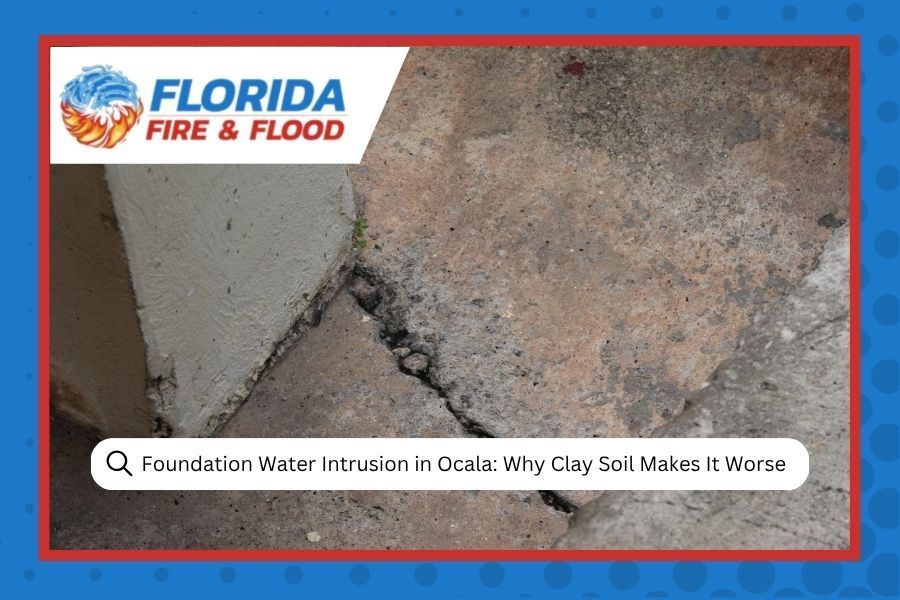
Foundation water intrusion in Ocala starts with clay soil. Learn the warning signs, how it differs from a plumbing leak, and when it is time to call us.
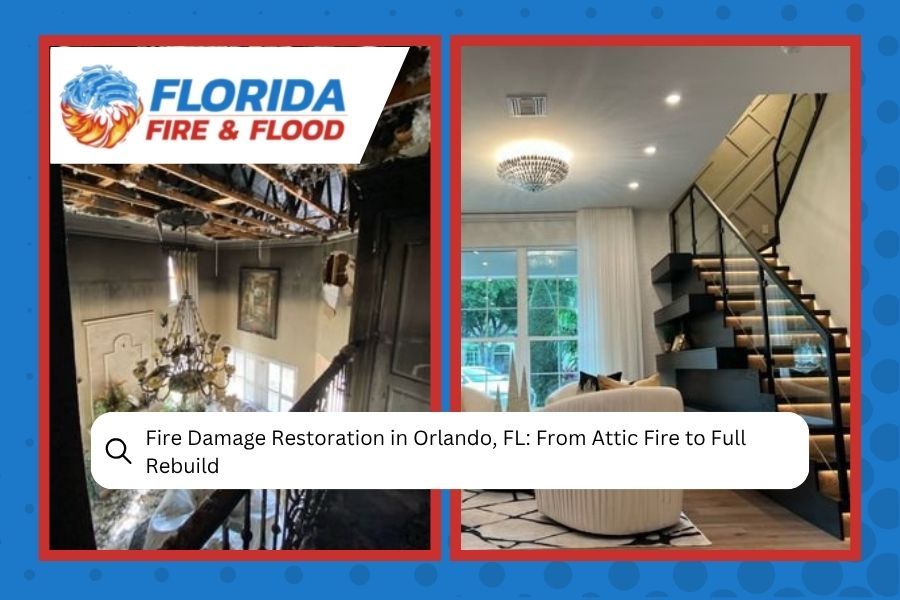
An attic fire took out the top floor of this Orlando home. See how our team rebuilt it, from the first tarp on the roof to finished kitchen and baths.
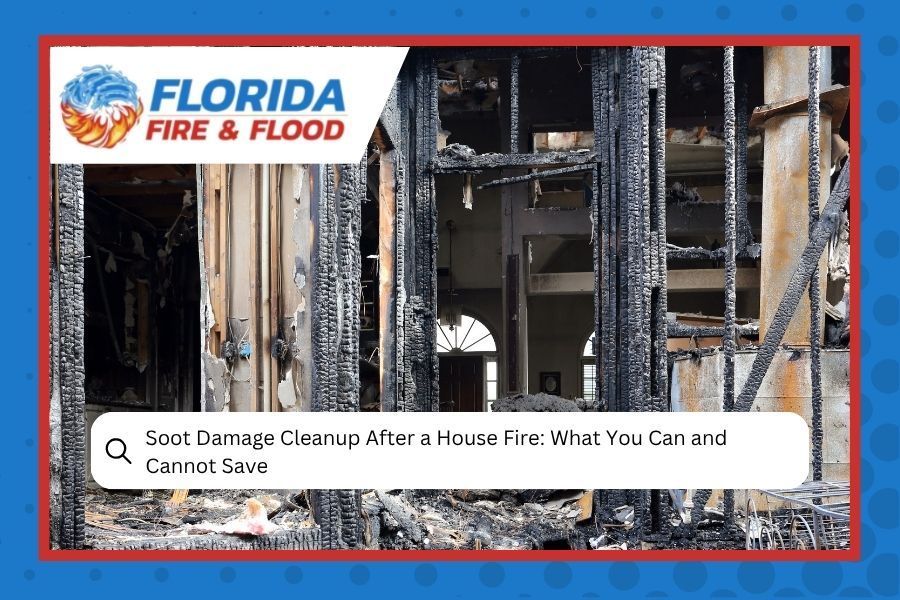
Soot damage cleanup after a house fire: learn what our IICRC certified team can save and what to replace, from textiles to electronics. Free consultation.
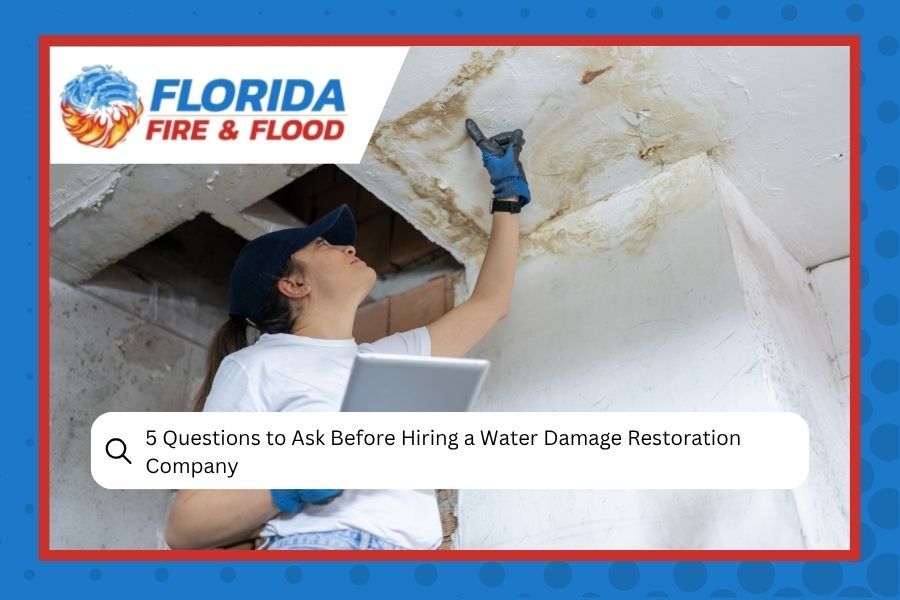
Hiring a water damage restoration company? Ask these 5 smart questions about certification, insurance, response time, gear, and repairs before you sign.
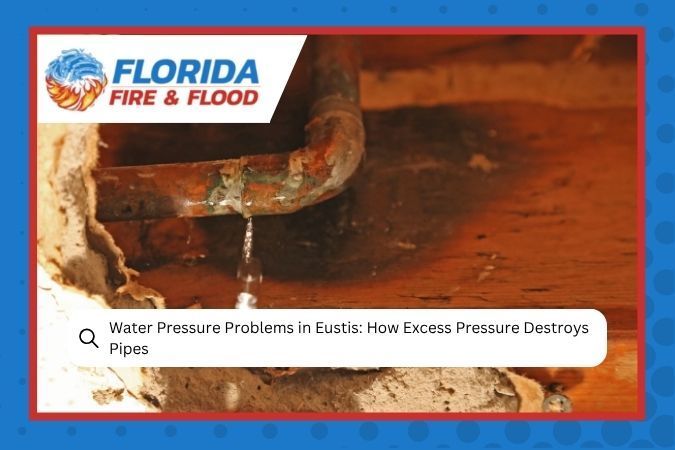
High water pressure damages pipes in Eustis homes. Learn the safe PSI range, regulator warning signs, and how to catch hidden leaks before they spread.