

AMRT - Applied Microbial Technician I, (Mold Remediation)
Common Types of Mold Found in Florida Homes and How to Address Them
September 6, 2023
Randy Lazarus
It’s no surprise that Florida has some hot and humid weather. While it makes for a nice vacation or a more comfortable winter, the climate also creates the perfect environment for mold. In fact, mold spores thrive in damp or wet spaces when temperatures are between 60 and 80 degrees Fahrenheit. This is why many Florida residents face mold health risks from water damage, especially after storms or plumbing issues.
As a result, many Florida residents find themselves battling mold at some point or another. In order to come up with an effective mold removal plan, however, it’s important to be able to identify the specific type of mold in the house. For residents seeking
mold removal in Central Florida, understanding the common species can be the first step. While there are thousands of different mold species, the following are some of the most common kinds of mold that can be found in Florida homes.
Acremonium Mold
Acremonium is a common toxigenic mold found throughout Florida. It can be incredibly toxic to the residents inside the home, and it has been found to cause different types of problems with immune systems or even bone marrow diseases.
Some people have trouble identifying the mold because its appearance changes over time. While it typically starts out as a moist mold, it can become a more fine and powdery substance. The color can be grey, pink, white, or even orange.
Alternaria Mold
Florida homeowners should also be on the lookout for Alternaria mold because it is one of the most common molds in the world. It is classified as an allergenic, which means that it isn’t toxic but can cause allergic reactions or respiratory irritation in people with asthma.
Unfortunately, it can spread quickly and cause significant damage if a mold removal isn’t completed right away. Therefore, it’s recommended that homeowners contact a
mold removal professional right away if they spot broken or dark green velvet mold. Homeowners can
prevent mold by keeping an eye on damp areas, such as showers and leaking sinks, where mold thrives.
Aspergillus Mold
Another common type of mold found inside Florida homes is Aspergillus mold. It is best classified by the shape of its spores. They take on a long flask shape and form thick layers.
It can come in several colors, including green, tan, white, and black. The black variety is often mistaken for a more toxic type of mold known as stachybotrys, so a professional inspection may be necessary to differentiate the two.
Early signs of black mold on ceilings can often be confused with this mold type.
This mold can be toxic depending on the species, but in general, it is more likely to cause respiratory inflammation. Some people may also experience asthma or lung infections.
Cladosporium Mold
Cladosporium mold is one of the more unique types of mold because it can be found in cold climates outside of the warm, humid summers in Florida. Since it can grow in diverse conditions, it’s one of the most common types of mold in the world. Fortunately, it is not a toxic variety. Instead, it may cause allergic reactions, such as skin rashes, sinusitis, throat irritation, and asthma.
Fusarium Mold
Similar to Cladosporium, fusarium mold can also grow in colder environments. However, it can be both allergenic and toxigenic. Prolonged exposure has been known to cause severe health problems, and it can spread rapidly from one room to another. For that reason, homeowners need to contact a professional right away if they spot a white or pink-red mold in their water-damaged home.
Penicillium Mold
A home with water damage or high humidity levels may also be the perfect place for penicillium mold to thrive. This mold loves building materials, so it can be found on walls, ceilings, floors, carpets, wallpaper, and more. It’s best identified by its blue or yellow color, but it can also take on a greenish appearance. Homeowners should treat this mold right away because it is allergenic but can be moderately toxic.
Stachybotrys Mold
Finally, Florida residents need to be on the lookout for stachybotrys Mold, which is better known as “black mold.” This type of mold is infamous for its toxicity, and the severe impact it can have on human health. Homeowners may find themselves dealing with this mold if they have an ongoing water leak in the summer because it needs a lot of heat and moisture for an extended period of time.
Read About - Water Damage vs Mold Growth
Request an Inspection from Mold Removal Experts in Florida
Homeowners who suspect that they might have any of these common types of mold growing in their homes should contact Florida Fire & Flood right away. Their team of knowledgeable and skilled professionals can thoroughly inspect the property and identify the most effective treatment options for the type of mold found in the home.
Customers can get in contact with the
mold removal company by calling (352) 503-0902. They can also submit their project details through the online form to request a free inspection.

Randy Lazarus
About The Author:
Randy Lazarus is the owner of Florida Fire & Flood, a locally owned and family-operated restoration company serving Central Florida communities since 2021. Leading a team of IICRC-certified technicians, Randy has built a reputation for providing 24/7 emergency response and compassionate service to homeowners and businesses facing water damage, fire damage, and mold emergencies. As a member of the Central Florida community, Randy understands the unique challenges property owners face in the region and is dedicated to helping his neighbors restore their properties and get back to normal life.
Read More:

Firefighting water soaks floors, walls, and ceilings far past the burn zone. Learn why extraction and drying must run alongside fire and smoke cleanup.
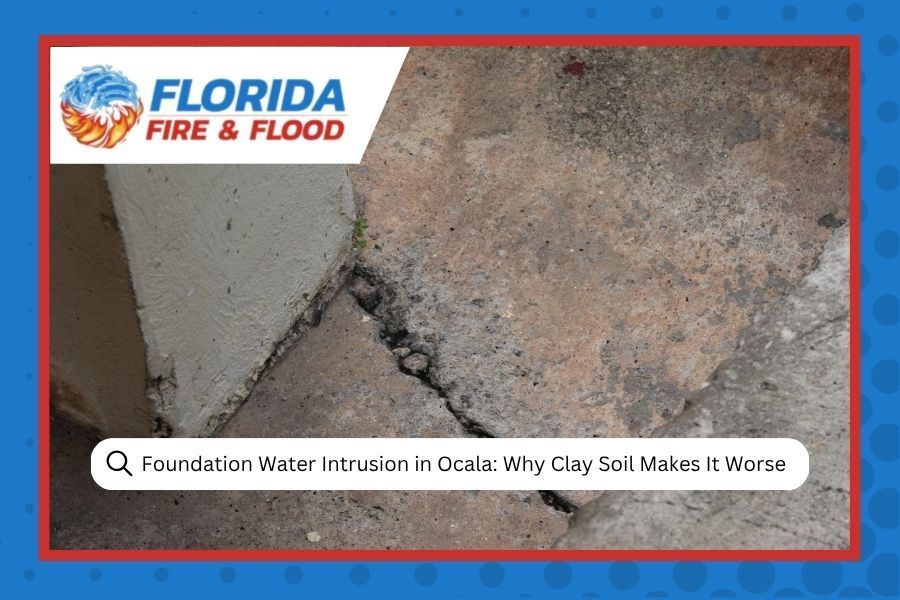
Foundation water intrusion in Ocala starts with clay soil. Learn the warning signs, how it differs from a plumbing leak, and when it is time to call us.
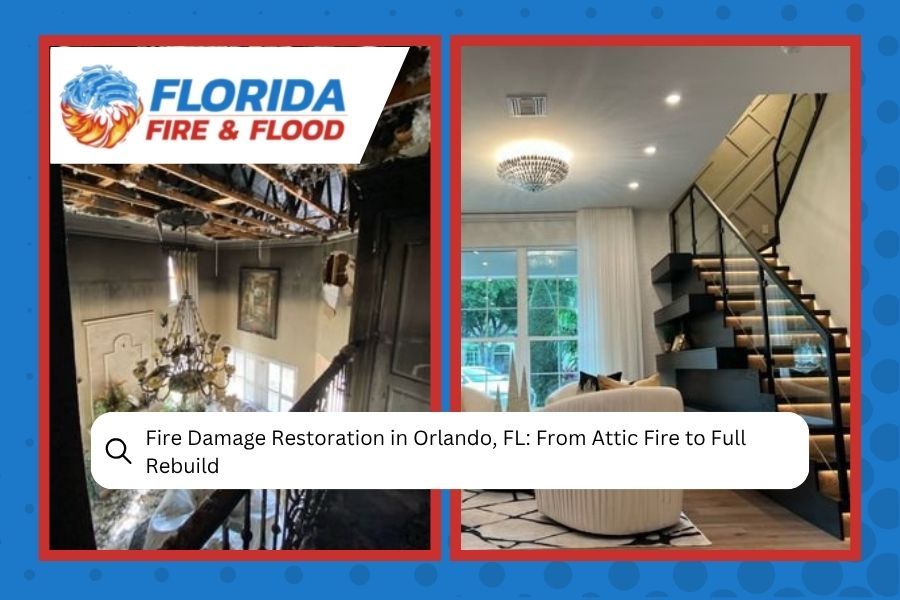
An attic fire took out the top floor of this Orlando home. See how our team rebuilt it, from the first tarp on the roof to finished kitchen and baths.
Soot damage cleanup after a house fire: learn what our IICRC certified team can save and what to replace, from textiles to electronics. Free consultation.
Hiring a water damage restoration company? Ask these 5 smart questions about certification, insurance, response time, gear, and repairs before you sign.
High water pressure damages pipes in Eustis homes. Learn the safe PSI range, regulator warning signs, and how to catch hidden leaks before they spread.