
AMRT - Applied Microbial Technician I, (Mold Remediation)
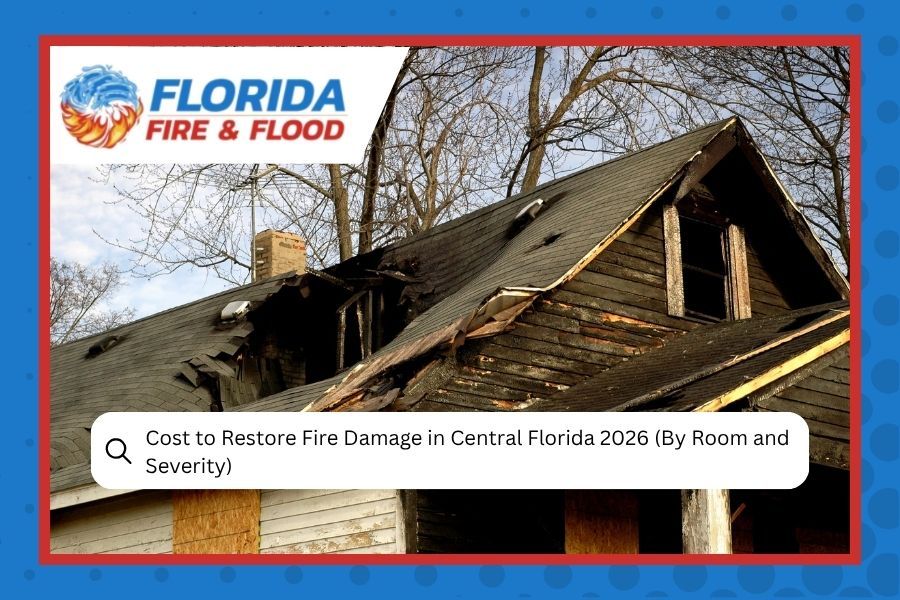
Cost to Restore Fire Damage in Central Florida 2026 (By Room and Severity)
May 14, 2026
Randy Lazarus
Jump To:
Fire damage restoration cost in Central Florida depends more on what burned than how much burned. A kitchen grease fire that scorches cabinets and coats nearby rooms with soot sits at a very different price point than a bedroom fire that breaches the roof. Our team at Florida Fire & Flood has spent years walking Central Florida homeowners through professional fire damage restoration, and the honest answer is that costs vary widely by room, severity, and what your policy actually covers.
This guide breaks down the factors that really move the needle so you can plan with confidence.
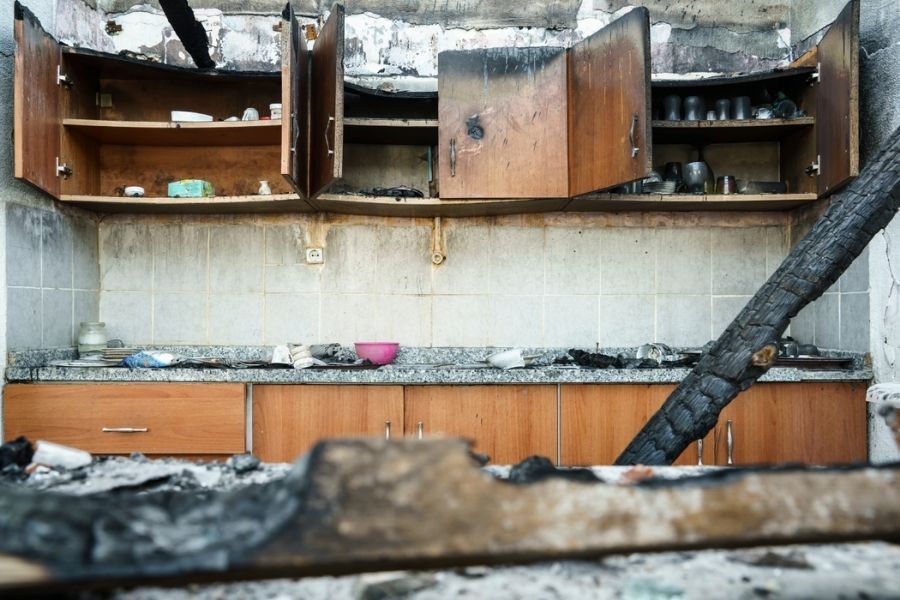
Cabinet soot like this often pushes a kitchen restoration from a smoke-only job into partial structural territory.
What Drives Fire Damage Restoration Cost in Central Florida?
Fire damage restoration cost comes down to four variables: which rooms were affected, the fire's severity, the restoration methods required, and whether reconstruction is part of the scope. Most homeowners assume the cost scales purely with fire size, but that's only part of the picture. A small kitchen fire can run higher than a moderate bedroom fire because of cabinetry, appliances, and how deeply smoke penetrates specialty finishes.
Our IICRC certified technicians assess all four before writing a single line item, documenting what can be cleaned, what has to be demolished, and what needs full replacement. That distinction matters a lot for your final bill.
Here's what we look at during the initial walk-through:
- Room type and the contents affected by flame, heat, and smoke
- Severity tier, ranging from smoke-only to full reconstruction
- Required restoration methods, including specialty deodorization
- Whether permits, engineering reports, or contractor coordination are needed
Pretty much every cost decision downstream traces back to one of these four. If you've read our breakdown of what fire damage restoration consists of, you already know the work goes well beyond wiping down walls.
Fire Damage Restoration Cost by Room
Room type has a larger effect on fire damage restoration cost than total square footage. Kitchens usually carry the highest per-square-foot cost thanks to cabinetry, appliances, and grease-laden residues that require specialized cleaning. Garages fall at the lower end because they hold fewer finished materials. Bedrooms and living areas land in the middle, though soft goods like upholstery, mattresses, and textiles can push them higher fast.
| Room | Typical Work Required | Relative Cost |
|---|---|---|
| Kitchen | Cabinet replacement, appliance cleaning, smoke sealing, grease degreasing | High |
| Bedroom | Drywall replacement, textile and bedding cleanup, soot removal, HVAC cleaning | Moderate |
| Living Area | Upholstered furniture cleaning, flooring replacement, electronics assessment, ceiling work | Moderate |
| Garage | Structural cleanup, concrete scrubbing, content sorting, stored-item assessment | Lower |
One thing that catches homeowners off guard: smoke travels. A fire confined to one room often creates cleanup work in three or four others, because HVAC systems pull soot throughout the home and textiles hold odor long after walls look clean.
Cost by Severity Tier
Fire damage severity falls into three working tiers that correspond to very different cost ranges: smoke-only, partial structural, and full reconstruction. The tier is usually clear within the first twenty minutes of our walk-through. Jobs rarely slide from one tier to another once scope is set, though hidden damage behind drywall can occasionally expand the work.
Smoke-Only Damage
This tier involves no flame damage to the structure itself. The work focuses on soot removal, odor neutralization, HVAC cleaning, and contents cleaning. Most smoke-only jobs wrap up in days, not weeks, and sit at the lower end of the restoration cost range.
Partial Structural Damage
When flames damage specific areas but leave the overall structure intact, we're looking at targeted demolition, rebuild of affected sections, and full contents restoration. This is the most common tier we handle across Central Florida, and costs land in the mid-range.
Full Reconstruction
A fire that breaches the roof, damages load-bearing elements, or affects multiple rooms often requires full reconstruction. This tier includes permits, engineering reports, complete rebuilds, and longer timelines. It's the highest end of the range, and having a contractor who handles mitigation and rebuild under one roof saves both time and money. See our damage reconstruction services page for more.
Need a Clear Picture of Your Restoration Costs?
Our team provides a free consultation with a transparent, honest scope before you commit to anything.
Schedule a Free ConsultationFactors That Push Costs Up or Down
Four scope decisions shape the final fire damage restoration cost more than any other variables: demolition extent, contents pack-out, deodorization method, and permit requirements. Two homes with nearly identical fire footprints can end up with very different bills depending on how these four shake out. Our job is to match the method to the actual damage. Not overbuild the scope.
Demolition Scope
How much drywall, flooring, cabinetry, and insulation has to come out determines both labor hours and disposal costs. Minor smoke events might need no demolition at all. Heat-damaged structural materials have to go, even if they look salvageable at first glance. We use the IICRC S700 standard to guide demolition calls, which keeps the scope defensible in insurance review.
Contents Pack-Out and Cleaning
This one surprises people. Packing out, transporting, cleaning, and storing household contents is often a line item homeowners don't expect. Whether we clean on-site or at our facility depends on severity, volume, and whether your home is still safe to occupy.
Deodorization Method
Smoke odor requires specialized treatment, and methods range from HEPA and carbon air scrubbers to thermal fogging and hydroxyl generators. Stubborn odors need more aggressive methods, which shifts the cost.
Permit and Inspection Requirements
Partial structural and full reconstruction projects almost always require permits, and some need engineering evaluation. Permit fees, inspection wait times, and code compliance all add to timeline and budget. Preventing fires in the first place is always cheaper, which is why we've written about the leading cause of house fires and how to prevent them.
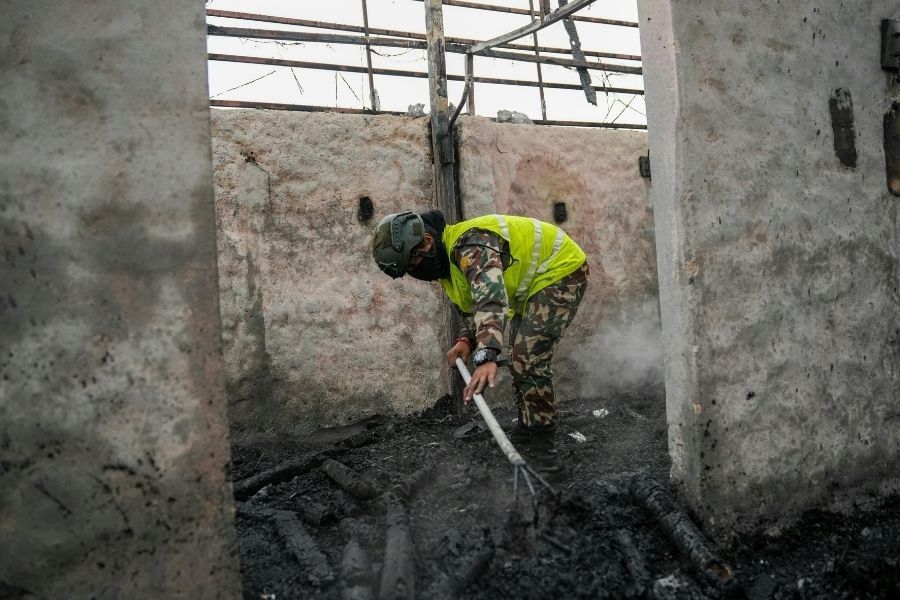
Debris cleanup and demo scope are usually the first line items the team prices out, since they set up everything that comes after.
Why Xactimate Pricing Works in Your Favor for Insurance Claims
Xactimate is the estimating software most insurance carriers already use internally, so when we build estimates in Xactimate, our numbers match what your adjuster expects to see. It reflects regional market rates for labor, materials, and equipment across Central Florida, updated quarterly. That transparency shortens approval timelines and removes most of the pricing disputes that slow claims down.
Homeowners sometimes worry that industry-standard pricing software favors the insurance company. The opposite is actually true in most cases. Xactimate accounts for local labor markets, regional pricing, and code requirements, so items often overlooked in casual estimates end up captured and paid.
For a broader look at the insurance side of restoration claims, our guide on when to call your insurance after flooding covers the core steps, and the process overlaps heavily with fire damage claims. The USFA guide to returning home after a fire also walks through the documentation and recovery steps that support a stronger claim.
Fires almost always leave behind water damage from firefighting efforts too. If your home took on water during extinguishment, the cost conversation has to include water damage restoration, not just fire and smoke work.
How to Get an Accurate Estimate for Your Home
An accurate fire damage restoration estimate starts with an on-site assessment, not a phone quote. Phone estimates inevitably miss soot penetration, hidden structural damage, and HVAC contamination. Our free consultation covers a full walk-through, photo documentation, and a transparent scope breakdown before you commit to anything.
Here's what the process looks like when you call us:
- On-site walk-through with moisture and smoke penetration testing
- Documented scope built in Xactimate, aligned with your carrier's expectations
- Direct coordination with your insurance adjuster so you're not stuck playing middle man
- Written scope and timeline before any demolition or restoration work begins
No pressure, no upsell, and no surprise line items on the back end. We've been doing this across Lake, Orange, Marion, Sumter, and Citrus Counties since 2021.
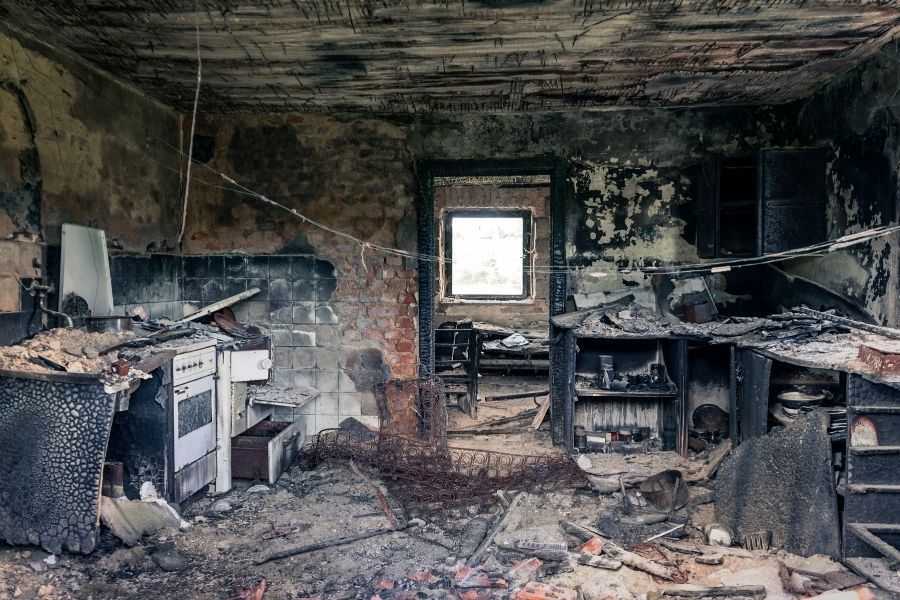
A full burnout like this almost always falls into the most severe pricing tier, since reconstruction starts back at the framing.
Family-Owned, IICRC Certified, Available 24/7
Florida Fire & Flood has served Central Florida homeowners since 2021, from smoke-only cleanup through complete reconstruction, with honest scopes and direct insurance coordination every step of the way.
Frequently Asked Questions
Does homeowners insurance cover fire damage restoration in Florida?
Most standard Florida homeowners policies cover fire damage restoration, including smoke and soot cleanup, structural repairs, and contents restoration. Coverage limits, deductibles, and exclusions vary by carrier, so review your policy or ask your adjuster before signing any scope. We work directly with most major carriers in Central Florida.
How long does fire damage restoration take?
Smoke-only jobs often wrap up within a week. Partial structural jobs typically run several weeks to a couple of months. Full reconstruction can take three to six months or longer depending on permit timelines and project complexity.
Can I stay in my home during fire damage restoration?
Smoke-only jobs usually allow you to stay, though air quality can be uncomfortable. Partial structural and full reconstruction projects almost always require temporary relocation. Most homeowners policies include additional living expense coverage for exactly this situation.
Should I try to clean smoke damage myself before calling professionals?
We'd recommend against it. Improper cleaning can push soot deeper into porous materials, worsen odor problems, and make professional restoration more difficult and expensive. Hold off on cleaning and call for a free consultation first.

Randy Lazarus
About The Author:
Randy Lazarus is the owner of Florida Fire & Flood, a locally owned and family-operated restoration company serving Central Florida communities since 2021. Leading a team of IICRC-certified technicians, Randy has built a reputation for providing 24/7 emergency response and compassionate service to homeowners and businesses facing water damage, fire damage, and mold emergencies. As a member of the Central Florida community, Randy understands the unique challenges property owners face in the region and is dedicated to helping his neighbors restore their properties and get back to normal life.
Read More:

Firefighting water soaks floors, walls, and ceilings far past the burn zone. Learn why extraction and drying must run alongside fire and smoke cleanup.
Foundation water intrusion in Ocala starts with clay soil. Learn the warning signs, how it differs from a plumbing leak, and when it is time to call us.
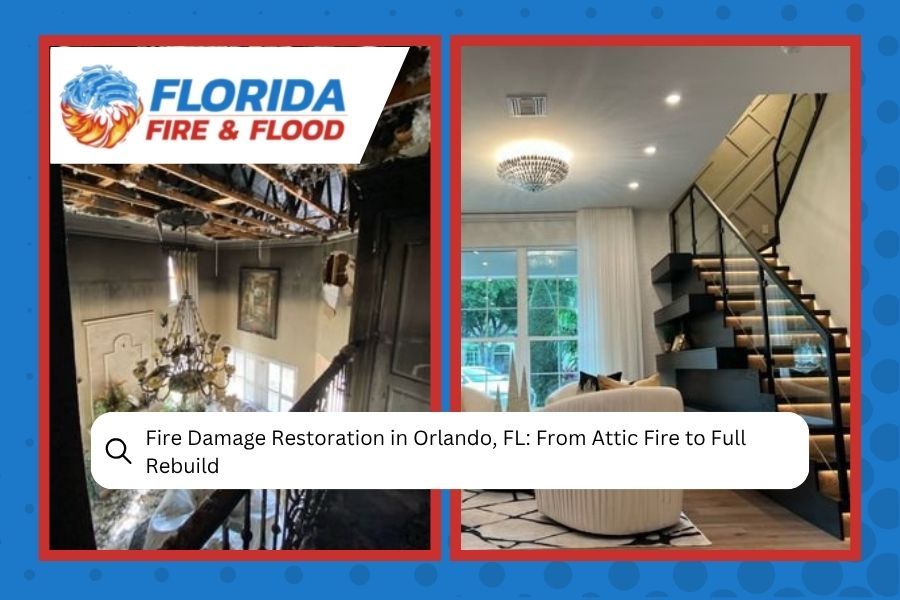
An attic fire took out the top floor of this Orlando home. See how our team rebuilt it, from the first tarp on the roof to finished kitchen and baths.
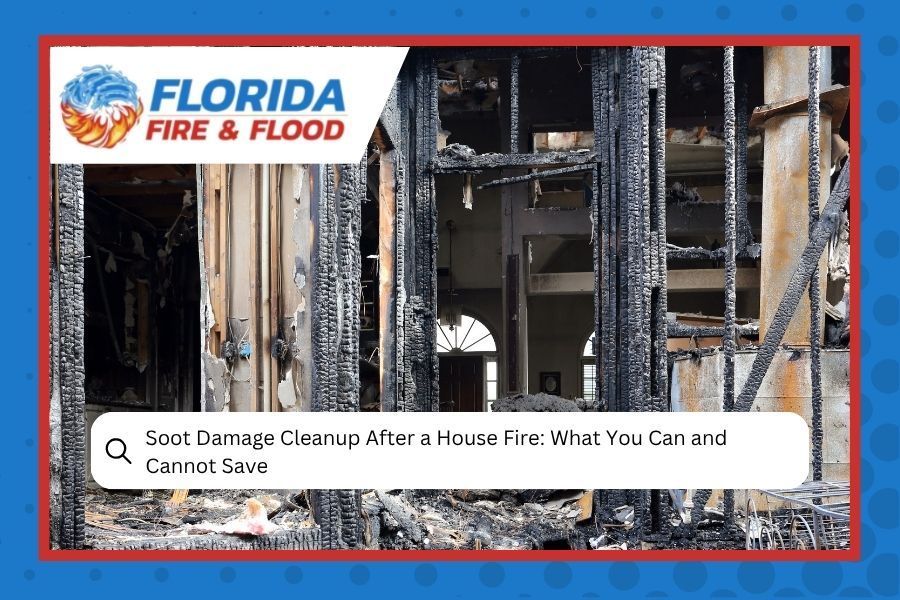
Soot damage cleanup after a house fire: learn what our IICRC certified team can save and what to replace, from textiles to electronics. Free consultation.
Hiring a water damage restoration company? Ask these 5 smart questions about certification, insurance, response time, gear, and repairs before you sign.
High water pressure damages pipes in Eustis homes. Learn the safe PSI range, regulator warning signs, and how to catch hidden leaks before they spread.